Physical Address
304 North Cardinal St.
Dorchester Center, MA 02124
Physical Address
304 North Cardinal St.
Dorchester Center, MA 02124


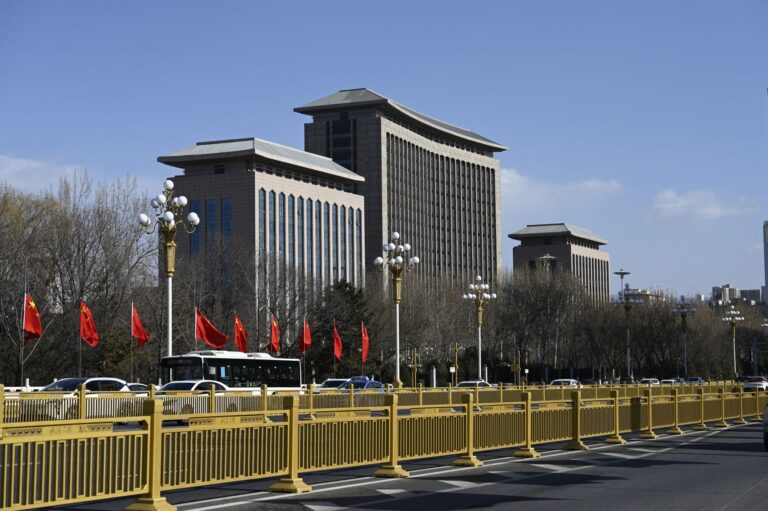
The CCP's 2024 performance campaign redefines how local officials are evaluated, shifting from GDP growth metrics to welfare outcomes and political loyalty. This reflects China's structural economic slowdown and represents a critical test of regime legitimacy beyond quantitative growth.
Beijing has quietly reopened economic dialogue channels with Japan through a June 2025 meeting between JAPIT officials and China's Vice Foreign Minister, signaling a calculated strategy to compartmentalize political disputes from economic engagement. However, fundamental disagreements on Taiwan and regional security remain unresolved.

China and Iran's contemporary strategic partnership reflects a two-millennia pattern of cordial but distant relations. Despite material benefits and shared opposition to U.S. hegemony, geographic separation and divergent regional interests constrain genuine alliance-building, as demonstrated from the Han-Parthian exchanges through the Mongol era to today.
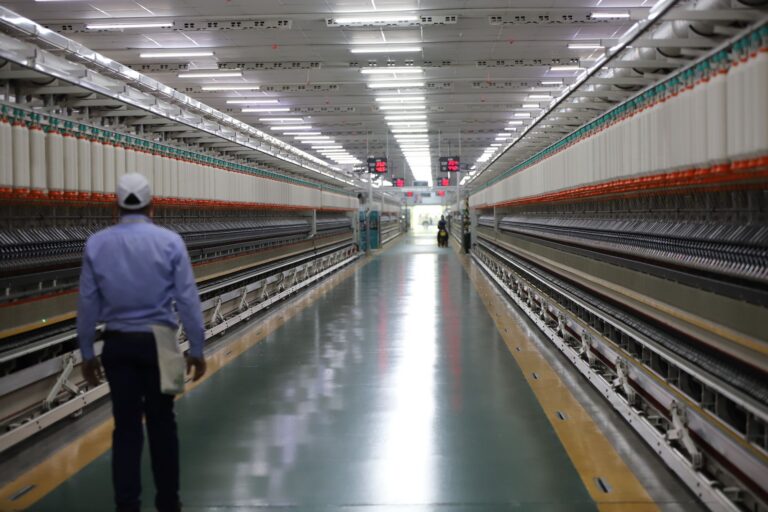
India's Act East Policy is evolving beyond defense partnerships to embrace artificial intelligence as its core strategic dimension. By pursuing AI cooperation with Japan, South Korea, Taiwan, and Southeast Asia, India can achieve technology sovereignty while establishing itself as a genuine regional innovation partner.
Bangladesh plans to fence its 270-kilometer border with Myanmar following the Arakan Army's control of northern Rakhine State, signaling a shift from state-to-state relations to managing a non-state armed organization. The measure reflects both security concerns and Dhaka's assertion that Myanmar's instability cannot indefinitely burden its neighbors.
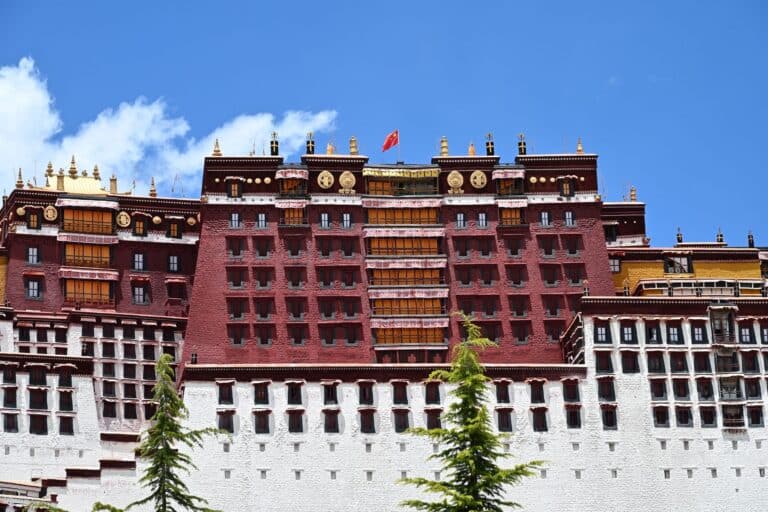
China's Tibet Aid Program has evolved from economic development into a sophisticated three-part system for Han Chinese political control, displacing Tibetan personnel, centralizing administrative authority, and creating incentive structures that reward cadre compliance with assimilation directives.

An underwater volcano in Papua New Guinea's Bismarck Sea is generating massive floating pumice rafts that threaten food security and maritime access in Manus Province. Unlike previous volcanic hazards, pumice disruption persists for months or years after eruption ends, with limited mitigation options available to vulnerable coastal communities.
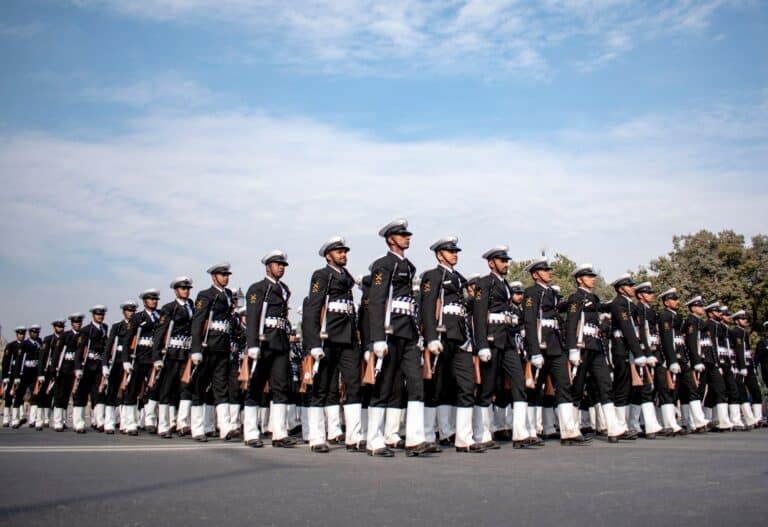
India-US relations occupy an ambiguous geopolitical space shaped by shared concerns about China but strained by divergent regional priorities, asymmetric leverage, and recent military incidents. Both nations must navigate this paradox or risk squandering decades of strategic investment.

Japan is examining creation of a state-backed Foreign Military Sales system, marking a historic shift from private defense exports to government-managed military technology transfers. The move reflects lessons from Ukraine and China's military expansion, positioning defense-industrial capacity as a strategic deterrent.

Central Asia is transitioning from a passive buffer zone to an active geopolitical player. Supply chain disruptions, nuclear energy demand, and critical minerals discoveries have given Kazakhstan, Uzbekistan, and other regional states genuine leverage to negotiate independently with major powers.



