Physical Address
304 North Cardinal St.
Dorchester Center, MA 02124
Physical Address
304 North Cardinal St.
Dorchester Center, MA 02124


Pakistan, Saudi Arabia, and Türkiye's August 2024 Mecca Joint Defense Agreement marks a decisive shift in West Asian security architecture, signaling that regional powers are building independent defense frameworks outside traditional American dominance and reshaping the region's geopolitical balance.
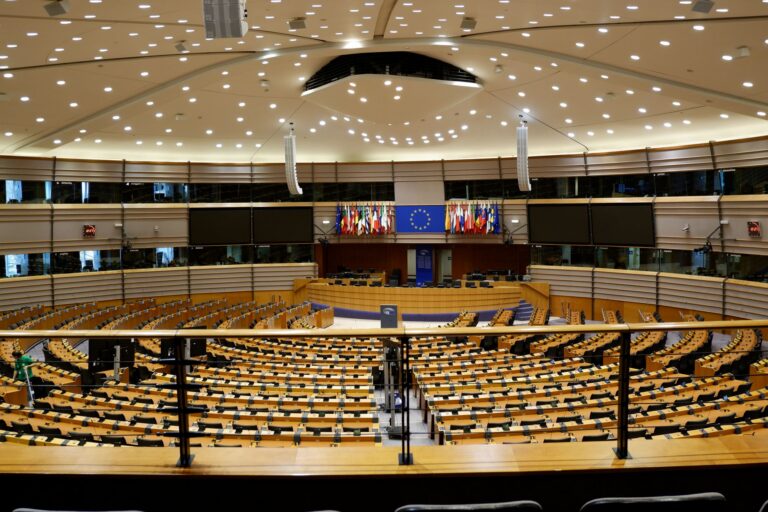
The EU's China policy has split into contradictory narratives: economic engagement through a new trade framework versus security-focused positioning of Beijing as a strategic challenge and Russian enabler. This internal contradiction threatens to undermine both initiatives.
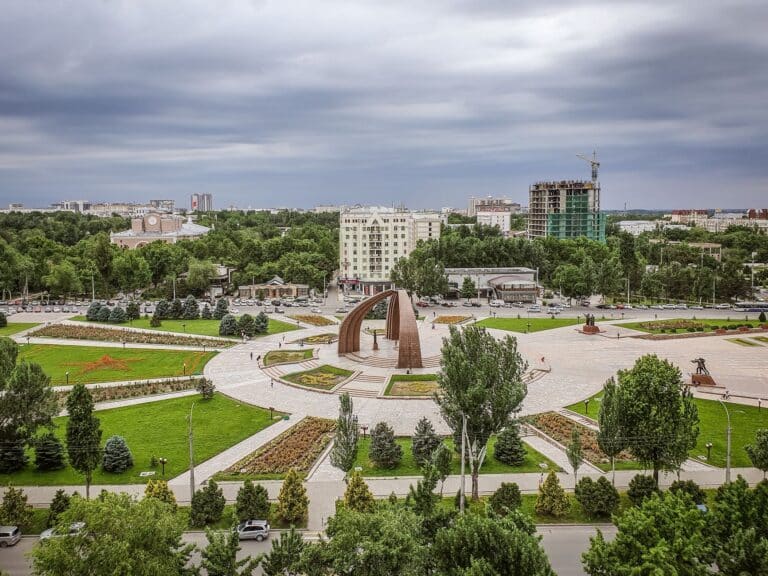
Kyrgyzstan's approach to language policy offers insights into how post-Soviet states can strengthen national languages while preserving multilingual advantages. Dr. Mahabat Sadyrbek's research demonstrates that practical institutional capacity-building, not ideological debate, determines linguistic futures in Central Asia.
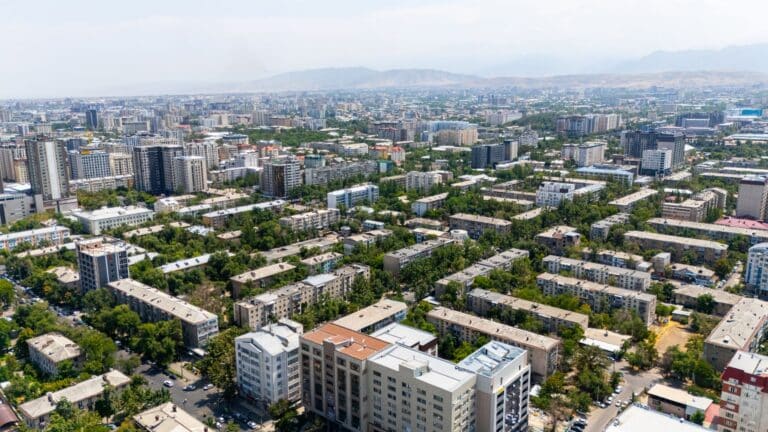
Central Asian workers now dominate Britain's agricultural sector, receiving 78.5% of seasonal visas in 2025 compared to 7.6% in 2021. This shift reflects Russia's migration crackdowns and Ukraine's labour displacement, with Kyrgyzstan unexpectedly leading recruitment despite being the region's smallest state.

China and Iran's contemporary strategic partnership reflects a two-millennia pattern of cordial but distant relations. Despite material benefits and shared opposition to U.S. hegemony, geographic separation and divergent regional interests constrain genuine alliance-building, as demonstrated from the Han-Parthian exchanges through the Mongol era to today.
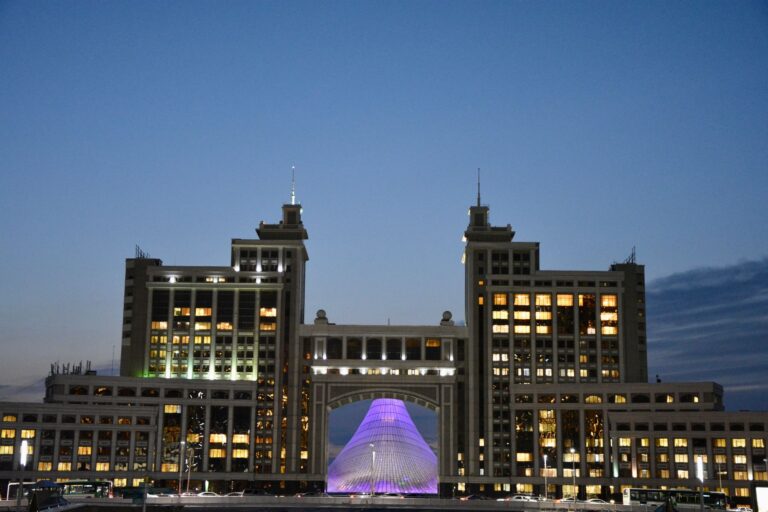
Central Asia is transitioning from a passive buffer zone to an active geopolitical player. Supply chain disruptions, nuclear energy demand, and critical minerals discoveries have given Kazakhstan, Uzbekistan, and other regional states genuine leverage to negotiate independently with major powers.

Oh Se-hoon's election to a fifth term as Seoul Mayor reflects voter preference for conservative governance continuity and the People Power Party's institutional dominance in South Korea's capital. The reelection underscores municipal political stability amid broader national polarization.
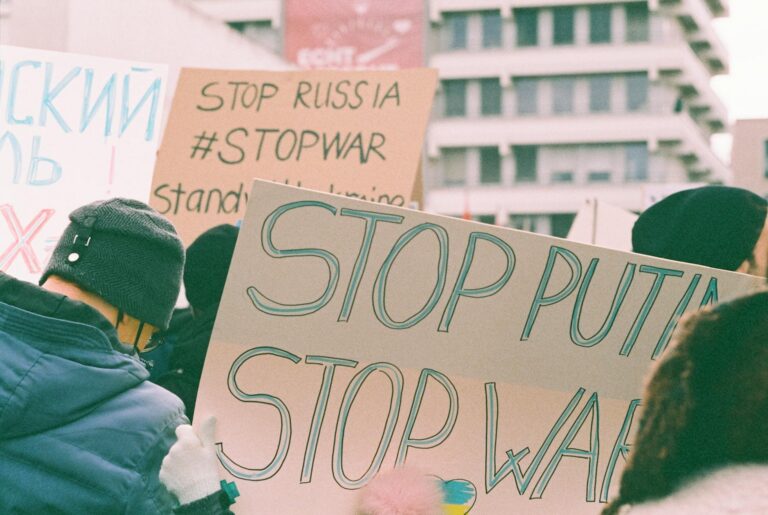
China's May 2026 declaration with Russia consolidates Beijing's strategic support for Moscow's war against Ukraine, using diplomatic language that erases Russian responsibility while deepening military, economic, and information coordination. The agreement signals China's fundamental challenge to the rules-based international order and carries direct implications for Indo-Pacific security.
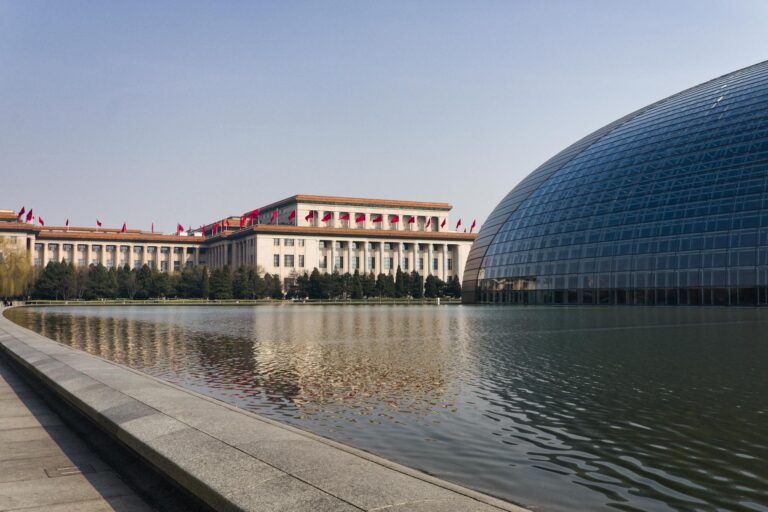
Putin's May 2026 visit to Beijing revealed the depth of China-Russia strategic alignment, exposing Washington's failed strategy of driving a wedge between Beijing and Moscow. The substantive Putin-Xi summit contrasted sharply with the hollow Trump-Xi meeting days earlier, demonstrating that personal diplomacy cannot overcome structural geopolitical convergence.
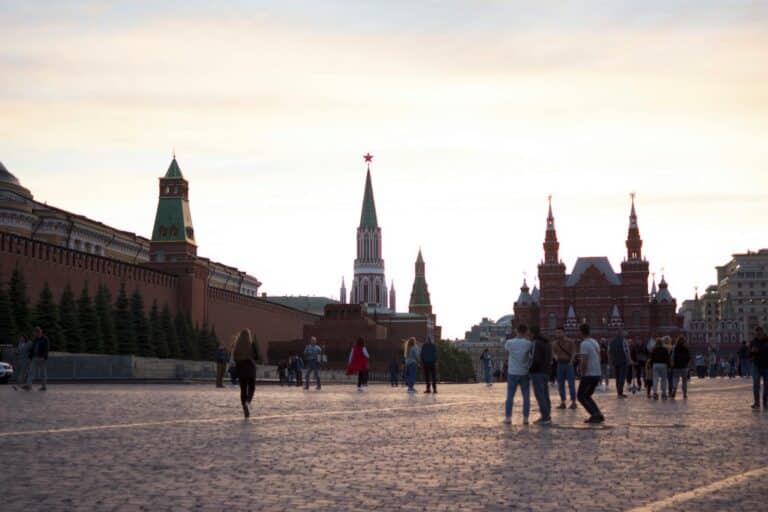
The scheduling of Trump's May summit with Xi Jinping immediately before Xi's meeting with Putin reveals the limits of U.S. triangular diplomacy. Beijing has moved from hedging between Washington and Moscow to active partnership with Russia, making appeals for Chinese pressure on Moscow ineffective.



