Physical Address
304 North Cardinal St.
Dorchester Center, MA 02124
Physical Address
304 North Cardinal St.
Dorchester Center, MA 02124

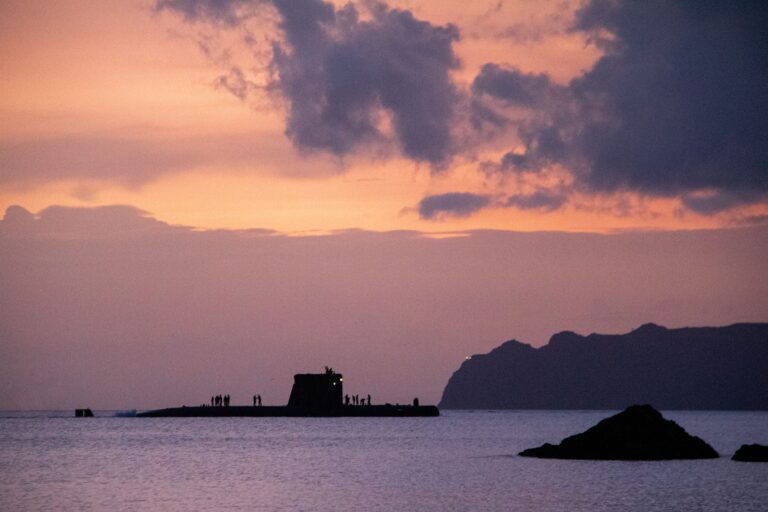
China's July 6 SLBM test in the South China Sea marks a strategic shift toward demonstrating advanced nuclear capabilities in international waters. The compressed notification protocol and regional reactions reveal underlying tensions in Indo-Pacific security management.
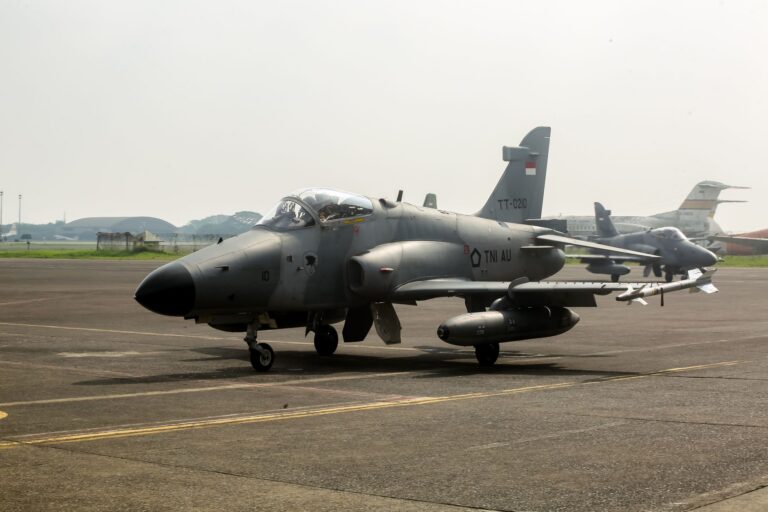
Indonesia's military has achieved tactical success in counterterrorism operations, but further expansion risks creating institutional accountability gaps and coordination failures. Optimal strategy requires pairing capability modernization with civilian oversight safeguards.
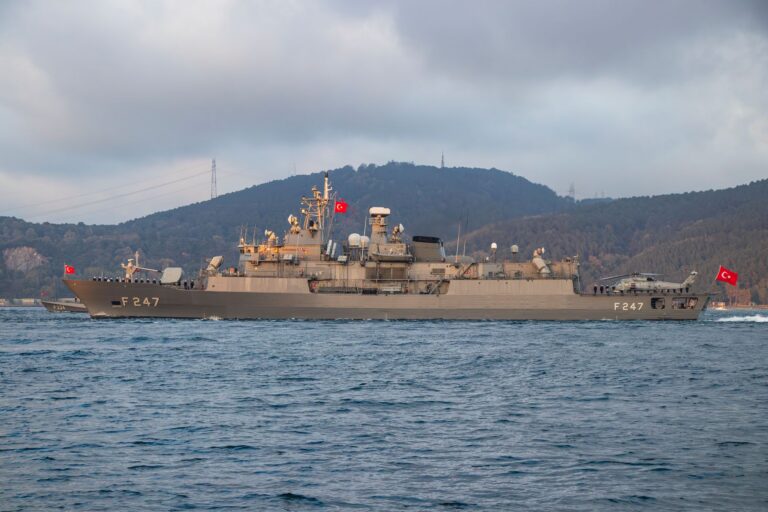
China's Type 054B frigate Luohe deployed with the Liaoning carrier strike group in the Western Pacific in May 2026, marking the first confirmed integration of this advanced platform into far-seas operations. The deployment signals the PLAN's transition from fleet expansion toward integrated carrier operations and sustained blue-water capability.
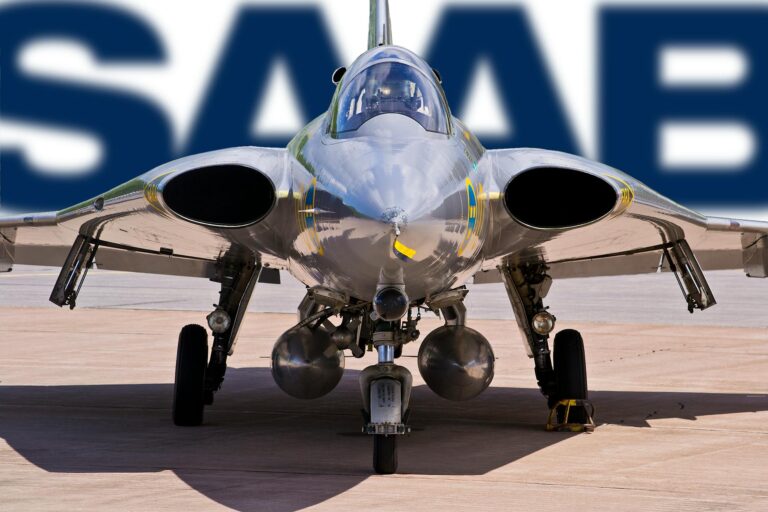
Pakistan's use of Chinese J-10C fighters in May 2025 aerial clashes with India transformed Chinese combat aircraft from budget alternatives into battle-tested systems. The resulting surge in sales—including Indonesia's USD $9 billion commitment for 42 fighters—signals a fundamental realignment of Indo-Pacific defense procurement away from exclusive Western dependence.
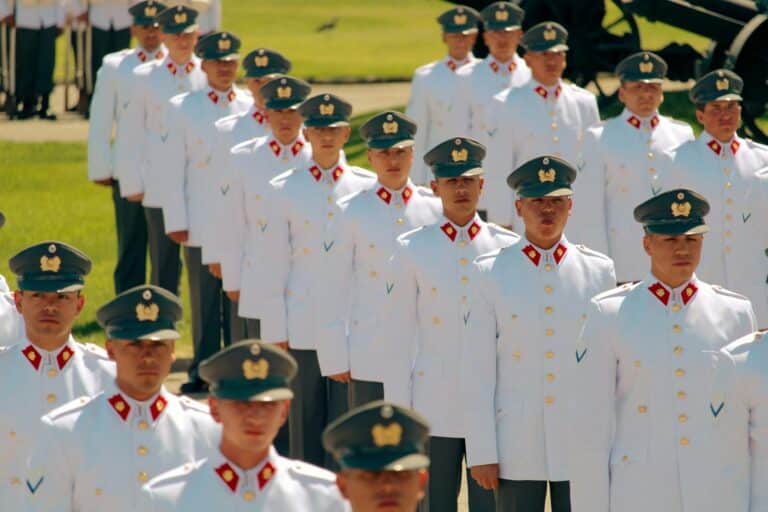
China's suspended death sentences for former Defense Ministers Wei Fenghe and Li Shangfu mark an escalation in Xi Jinping's military purge. This analysis examines why Xi imposed such severe punishments and what they reveal about the PLA's transformation into a fear-driven institution.
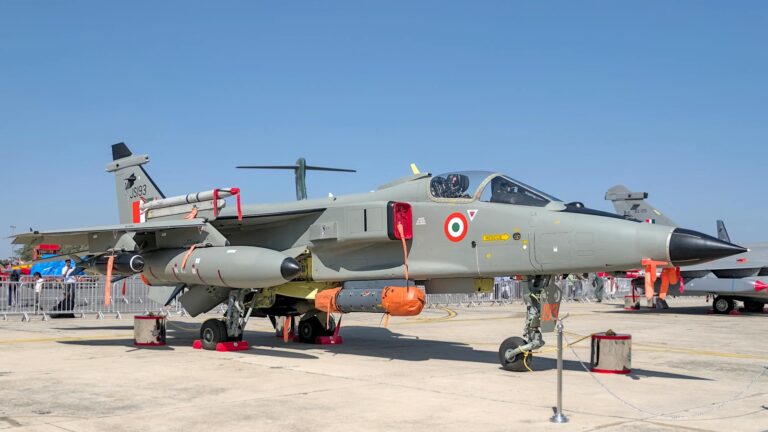
China's military-civil fusion strategy persists despite rhetorical retreat from public discussion. Beijing has rebranded rather than abandoned a core defence integration program that remains essential to military modernisation, creating persistent challenges for Western technology security policy.
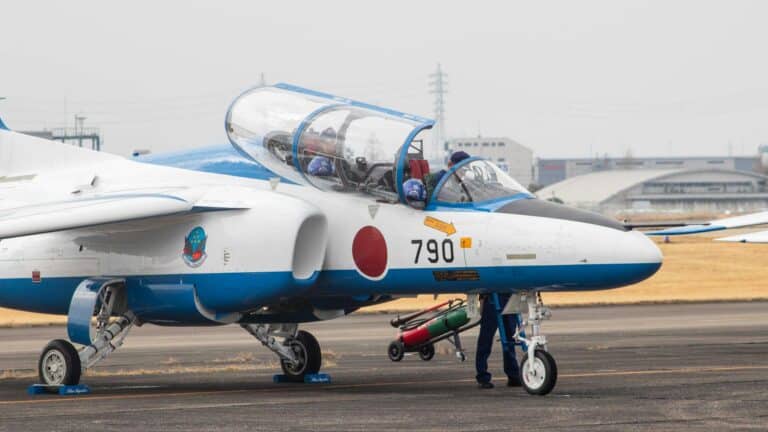
Japan's Ground Self-Defence Force has established dedicated offices for drone warfare and AI-enabled operations, institutionalising a strategic shift toward unmanned systems driven by severe demographic decline. This move reflects Tokyo's assessment that autonomous warfare will define future Indo-Pacific security competition.
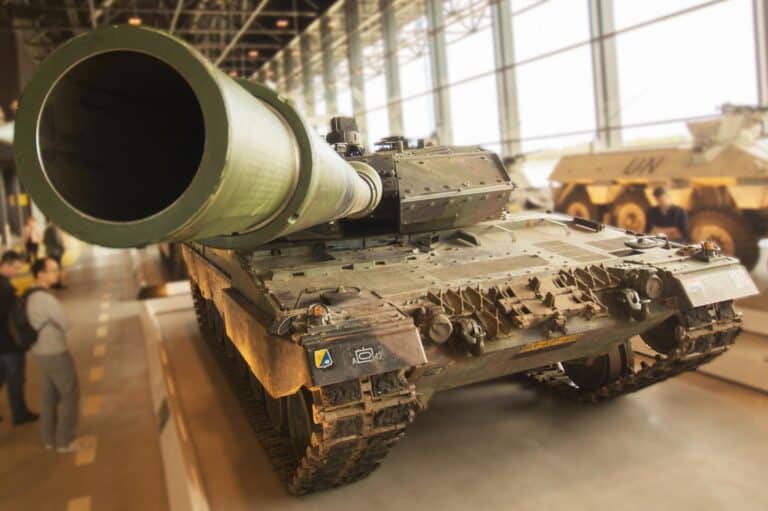
South Korea's rapidly expanding defence export sector has created a strategic vulnerability: weapons sold to legitimate state actors in the Middle East are being captured or transferred to Iranian-backed proxy forces in Yemen. This reveals critical gaps in Seoul's export control framework and threatens its standing as a responsible arms exporter.
Kim Yo Jong's public denunciation of South Korea-US joint military exercises as "war rehearsal" reflects North Korea's hardening security posture and escalating military rhetoric. The absence of diplomatic engagement since 2019 has removed mechanisms for managing peninsula tensions, raising risks of unintended escalation.
North Korea has formally institutionalised nuclear statehood through the Haekpangasoe system and committed to a five-year weapons expansion plan at the 9th Workers' Party Congress. This strategic shift closes the window on denuclearisation negotiations and reshapes Indo-Pacific security dynamics.