Physical Address
304 North Cardinal St.
Dorchester Center, MA 02124
Physical Address
304 North Cardinal St.
Dorchester Center, MA 02124

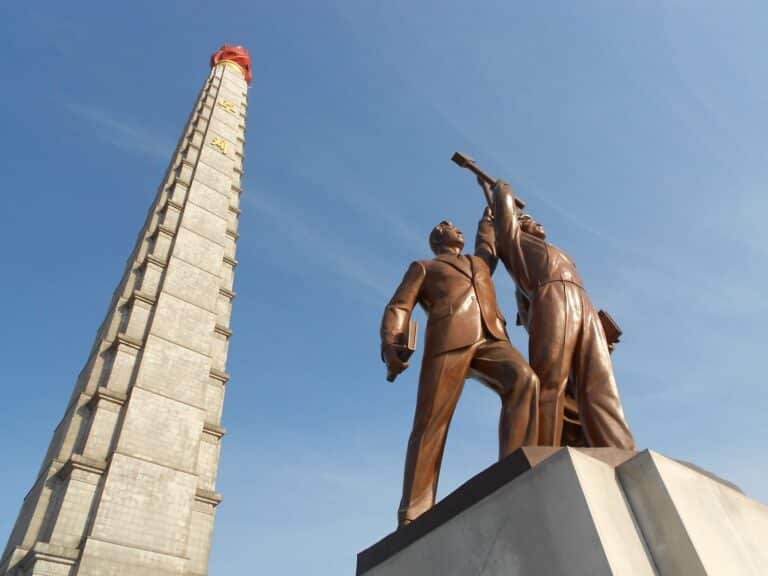
U.S. Senators Tim Kaine and Dan Sullivan have reintroduced the North Korean Human Rights Reauthorization Act, reviving a critical legislative framework that expired in 2022. As North Korea's isolation deepens and its alignment with China and Russia strengthens, expanded information access, bilateral coordination, and integration of defector expertise are essential to supporting the regime's victims.
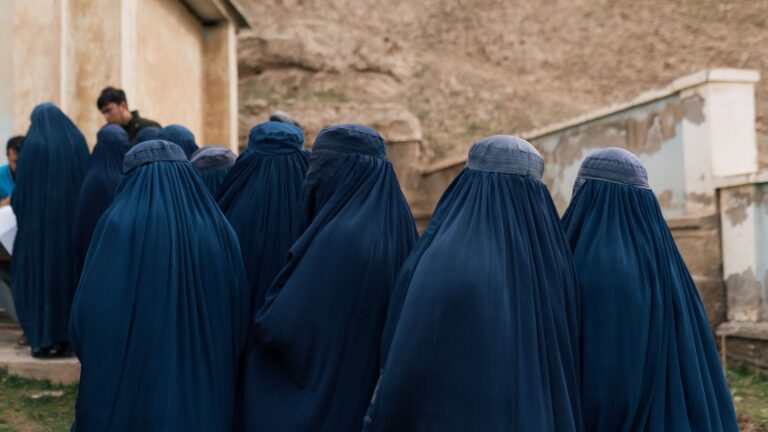
Mass deportations of Afghans from Europe, Pakistan, and Iran treat forced return as a policy solution despite Afghanistan's humanitarian crisis. Research shows 80 percent of recent returns were involuntary, with returnees facing homelessness, joblessness, and systematic exclusion from aid—particularly Afghan women under Taliban gender apartheid.

Singapore's proposed age-based social media restrictions mirror Australia's approach but face significant implementation challenges. A framework centered on media literacy, platform accountability, and parental support may better protect children while preserving digital opportunities.

A grassroots campaign mourning a tortured stray dog in Guangdong mobilized millions across the Chinese-speaking world, revealing both the resilience and fragility of civil society under authoritarian constraints. The state's aggressive suppression of the campaign exposes how Beijing treats any autonomous public coordination—regardless of subject—as a political threat.

Jakarta's 12 million residents face a critical infrastructure crisis: 18 percent lack piped water access while the city sinks 15 centimeters annually due to groundwater extraction. PAM JAYA's 2029 universal coverage target faces significant feasibility challenges rooted in decades of governance failure.

Bangladesh's Generation Z has returned to streets less than five months after the new BNP government took office, demanding education reforms following government mishandling of monsoon-affected examinations. The protests expose vulnerabilities in institutional responsiveness and threaten to undermine democratic consolidation if left unaddressed.
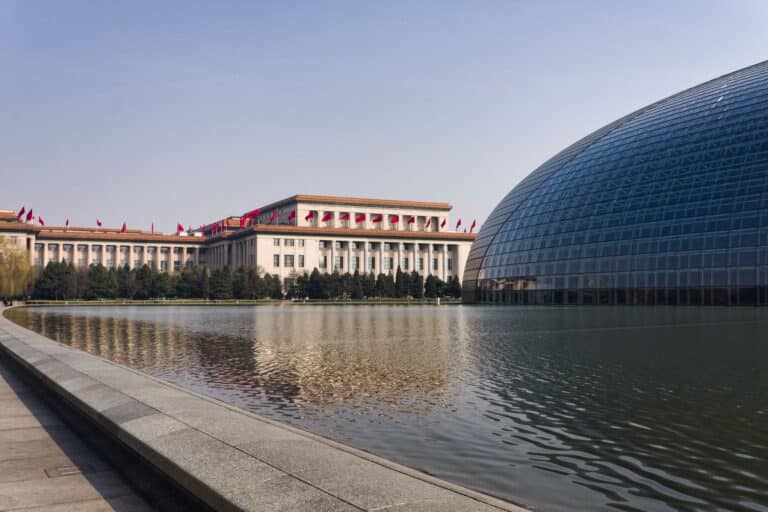
China's new ethnic unity law codifies Xi Jinping's assimilationist approach to ethnic minorities through mandatory education standardization, population mobility policies, and religious subordination. The legislation extends legal liability to foreign organizations and formalizes practices already implemented in Xinjiang and Tibet.
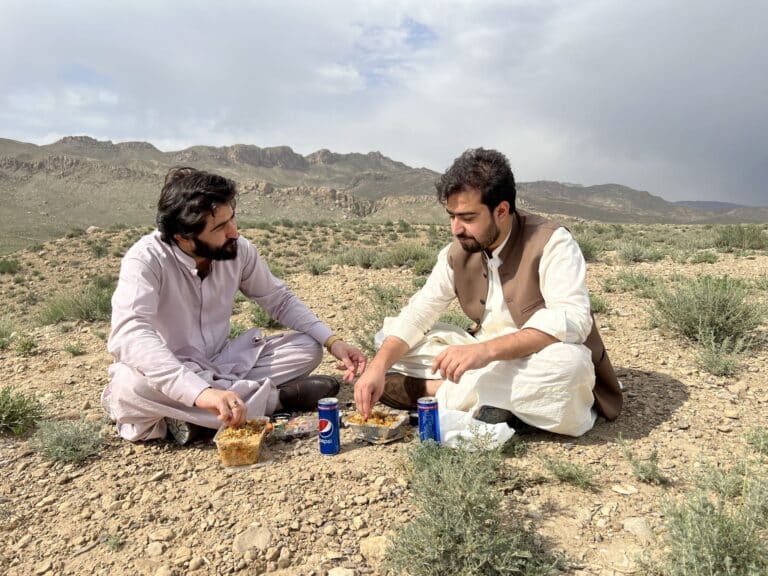
Pakistan's role as a U.S.-Iran mediator has elevated its international standing, yet systematic enforced disappearances and extrajudicial killings in Balochistan persist unchecked. The state's diplomatic credibility masks a documented human rights crisis affecting thousands of families seeking accountability for missing relatives.
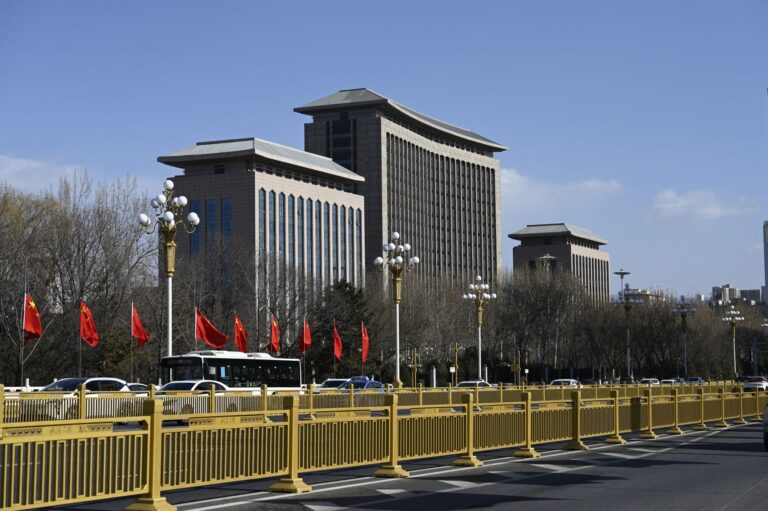
The CCP's 2024 performance campaign redefines how local officials are evaluated, shifting from GDP growth metrics to welfare outcomes and political loyalty. This reflects China's structural economic slowdown and represents a critical test of regime legitimacy beyond quantitative growth.

China's Tibet Aid Program has evolved from economic development into a sophisticated three-part system for Han Chinese political control, displacing Tibetan personnel, centralizing administrative authority, and creating incentive structures that reward cadre compliance with assimilation directives.



