Physical Address
304 North Cardinal St.
Dorchester Center, MA 02124
Physical Address
304 North Cardinal St.
Dorchester Center, MA 02124

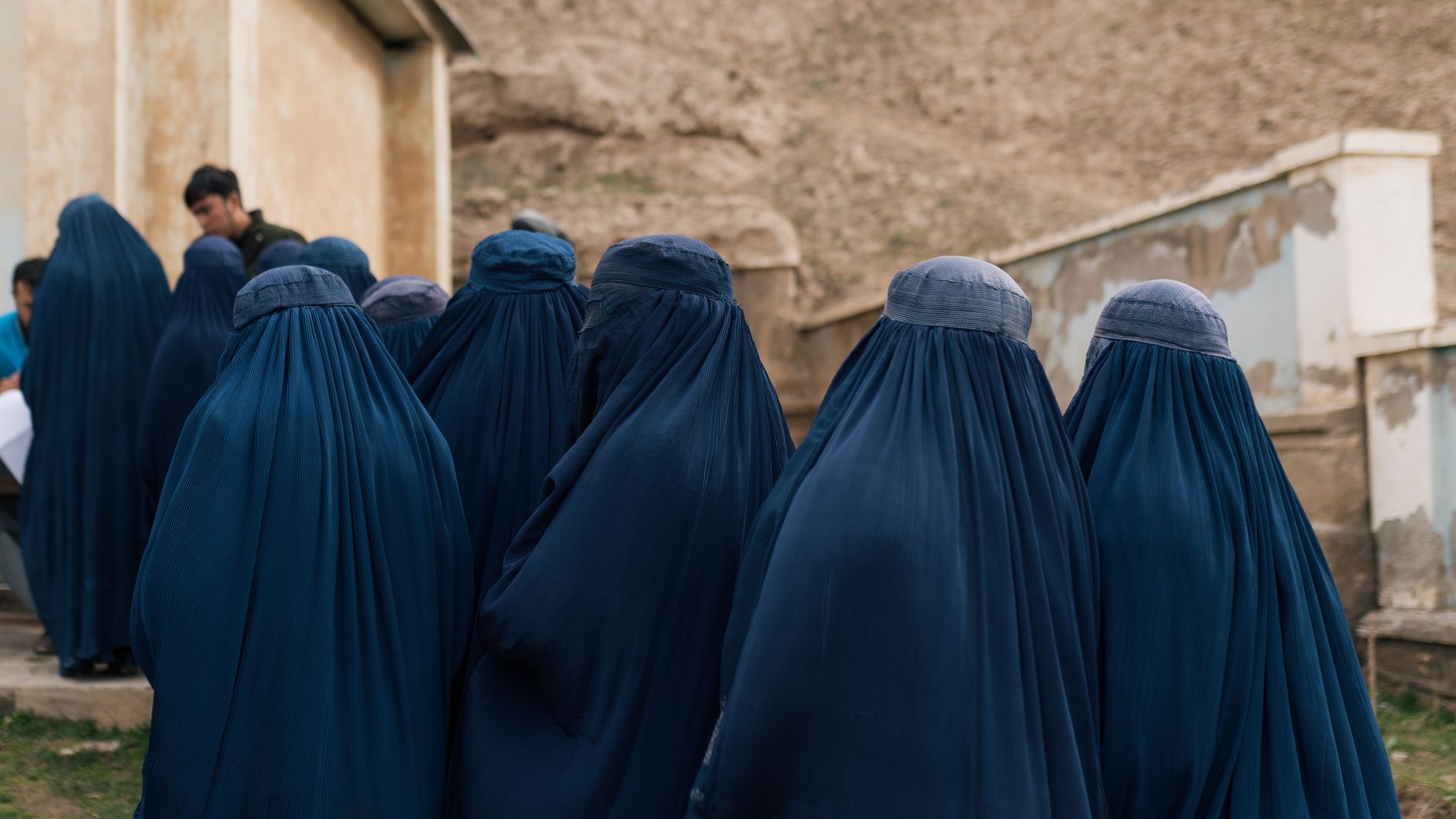
Mass deportations of Afghans from Europe, Pakistan, and Iran treat forced return as a policy solution despite Afghanistan's humanitarian crisis. Research shows 80 percent of recent returns were involuntary, with returnees facing homelessness, joblessness, and systematic exclusion from aid—particularly Afghan women under Taliban gender apartheid.
In August 2021, following the Taliban’s seizure of power, Western governments mobilized unprecedented evacuation efforts. Approximately 124,000 Afghans were airlifted to safety in the weeks following the regime change, joining millions already sheltering in neighboring countries like Pakistan and Iran. Five years later, the policy landscape has fundamentally reversed. Rather than extending protection, governments across Europe, Central Asia, and South Asia are now actively pursuing forced repatriation—treating return as a policy solution rather than examining whether conditions in Afghanistan actually support sustainable reintegration.
This policy shift represents a dangerous misalignment between stated humanitarian commitments and actual practice. The Mixed Migration Centre’s research reveals that approximately 80 percent of the 6 million Afghans returned since 2023 were deported or expelled under conditions of coercion. These were not voluntary homecomings; they were forced removals that severed individuals from employment, family networks, and support systems built over years of displacement.
The trajectory of forced returns has now extended beyond Pakistan and Iran into Europe. In June 2024, a Taliban delegation traveled to Brussels for what EU officials characterized as a “technical level” meeting with representatives from 15 European countries and European Commission officials. The agenda was explicit: establishing formal deportation and readmission pathways for Afghan nationals.
This Brussels meeting signals a coordinated European approach to Afghan returns that mirrors the involuntary repatriation already occurring in South Asia. By engaging the Taliban directly on readmission agreements—despite the regime’s absence of international recognition and systematic human rights violations—European governments are effectively legitimizing forced deportation as an acceptable policy tool. The “technical” framing obscures the political reality: wealthy nations are outsourcing their asylum obligations to a country they officially refuse to recognize.
The fundamental flaw in treating return as a durable solution lies in Afghanistan’s actual conditions. The Mixed Migration Centre’s data on returnees reveals a humanitarian catastrophe unfolding in real time. Nearly 40 percent of surveyed returnees lack access to healthcare. More than half live in inadequate housing. Employment prospects are dire: fewer than 7 percent of women and only 59 percent of men have secured income-generating opportunities.
These statistics are not abstract policy metrics—they represent concrete barriers to survival. An individual returned to Kabul or Herat with no housing, no job prospects, and no access to medical care faces immediate destitution. The closure of USAID and the evaporation of humanitarian funding over the past 18 months have eliminated much of the safety net that might have cushioned returnees’ reintegration. Afghanistan’s economy remains fractured, with limited formal employment sectors and minimal infrastructure investment.
Beyond economic hardship, over half of all returnees (53 percent) reported receiving no assistance since returning. This is not a temporary adjustment period—it reflects structural abandonment. Returnees arrive with severed social networks, depleted savings, and no institutional support. Under these conditions, “return” becomes synonymous with destitution.
The Taliban’s gender apartheid policies create an additional layer of crisis for female returnees. Since August 2021, the regime has implemented systematic restrictions: girls above age 12 are banned from secondary education, women are prohibited from working in most sectors, and all women’s movement outside the home requires accompaniment by a male mahram relative.
These restrictions directly undermine reintegration for women returnees. The Mixed Migration Centre’s data shows that 65 percent of women returnees have received no assistance since return—compared to 53 percent overall. This disparity reflects the Taliban’s restrictions on women’s freedom of movement, which prevent them from accessing aid distribution points, employment centers, or public services. Women cannot rebuild livelihoods when employment is legally restricted. They cannot access education or skills training. They cannot participate in community decision-making or economic planning.
The result is quantifiable despair: 61 percent of women returnees reported being “not very satisfied” or “strongly dissatisfied” with their lives in Afghanistan. For ethnic and religious minority women, these barriers compound—they face overlapping discrimination based on both gender and identity. Afghan Hazara women, for example, face Taliban persecution as both women and members of a persecuted ethnic group.
Forcing women to return to Afghanistan under these conditions is not repatriation; it is state-sanctioned abandonment to systematic oppression.
The fundamental question policymakers must confront is whether return can be “durable” when the underlying drivers of displacement remain unchanged. Afghanistan in 2024 is not a post-conflict state entering reconstruction—it is a country experiencing active humanitarian crisis, economic collapse, and systematic human rights violations under Taliban governance.
The international legal standard for sustainable returns is clear: they must be voluntary, dignified, and safe. Current Afghan returns meet none of these criteria. Deportations are involuntary by definition. Returnees arrive to inadequate housing and no livelihoods—hardly dignified conditions. And safety cannot be guaranteed in a country where ethnic minorities face persecution, women face systematic oppression, and economic collapse creates desperation.
Policymakers pursuing forced returns argue they reduce domestic asylum caseloads and demonstrate border control. These are domestic political objectives, not humanitarian solutions. Forcing 6 million Afghans to return does not solve displacement—it relocates the crisis to a destination less equipped to manage it. It creates a new humanitarian emergency in Afghanistan while erasing the asylum question from European and South Asian policy debates.
The Support Platform of the Solutions Strategy for Afghan Refugees (SSAR) has positioned itself to host a Regional Conference on Afghan Displacement and Solutions in late 2024. This conference represents a critical opportunity to reframe the policy discussion from forced returns to genuine durable solutions.
Durable solutions for Afghans require three parallel approaches: (1) maintaining asylum protection in neighboring countries and beyond for those unable to return safely; (2) investing in economic stabilization and basic service provision within Afghanistan to create conditions where voluntary return becomes viable; and (3) ensuring that any repatriation is genuinely voluntary, preceded by needs assessment, and supported by reintegration programs rather than abandoned at the border.
European governments must recognize that their stated commitments to democracy, human rights, and rule of law are incompatible with formalizing deportation agreements with an unrecognized Taliban regime that systematically violates these principles. Responsibility-sharing on Afghan displacement cannot be achieved through outsourcing deportations—it requires sustained international engagement on economic reconstruction, rights protection, and regional burden-sharing.
For Afghanistan itself, the return of millions of displaced people could theoretically contribute to economic and demographic recovery. But only if returnees arrive to functioning labor markets, accessible housing, restored public services, and security. Currently, none of these conditions exist. Forced returns without these prerequisites will generate a new generation of internal displacement, urban poverty, and humanitarian need within Afghanistan—simply shifting the crisis from neighboring countries to Afghan cities.
The policy choice before governments is stark: pursue the short-term political objective of reducing asylum numbers through forced deportation, or invest in the long-term work of creating conditions where Afghans can return safely and rebuild meaningful lives. The current trajectory suggests most governments are choosing the former. History will judge whether this choice reflected pragmatism or abandonment.