Physical Address
304 North Cardinal St.
Dorchester Center, MA 02124
Physical Address
304 North Cardinal St.
Dorchester Center, MA 02124

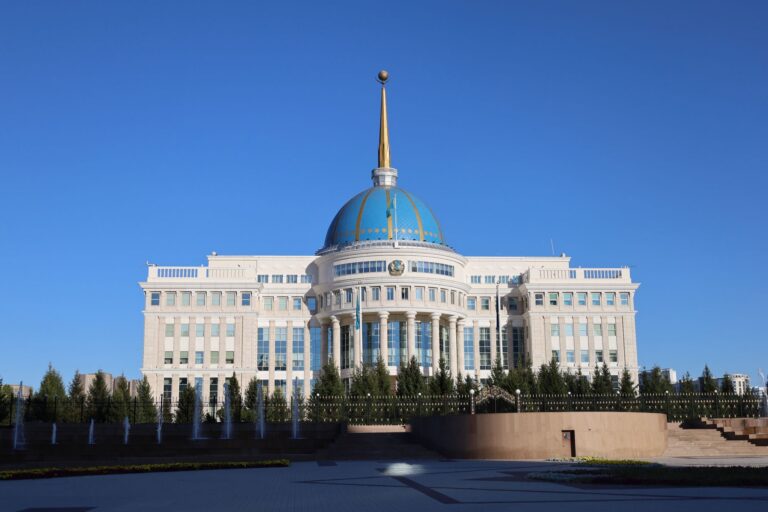
Kazakhstan's August 2024 Kurultai election tests whether the country can institutionalize its regional diplomacy through a functioning parliament. The new legislature must translate commitments on infrastructure, energy, and water cooperation into sustained legislation and budget oversight to maintain Kazakhstan's geopolitical influence.
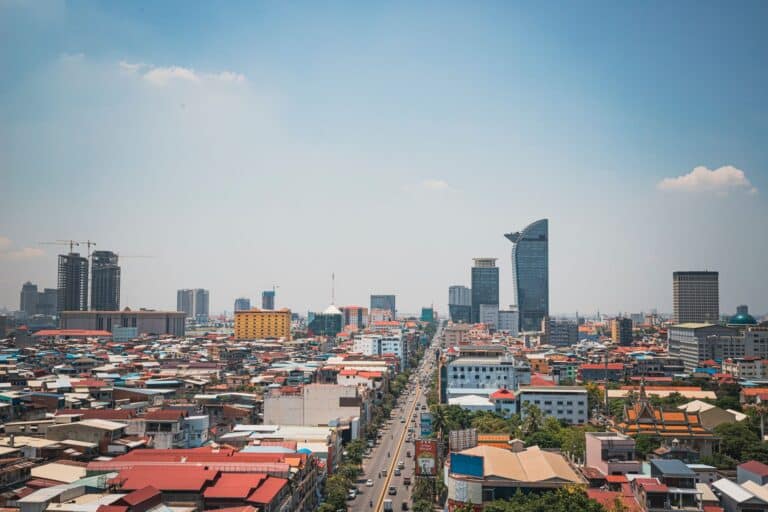
Hun Manet's appointment of Kem Monovithya as special envoy marks a calculated political maneuver to rehabilitate Cambodia's international image and neutralize opposition, rather than signaling genuine democratic reform. The move exemplifies the CPP's strategy of cooptation over pluralism.
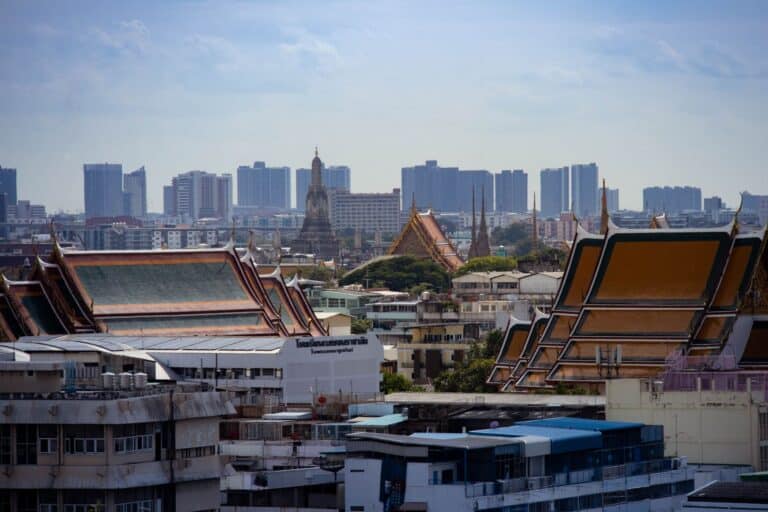
Thailand's August 2026 invitation to Myanmar's military leader Min Aung Hlaing directly contradicts ASEAN's unified stance on the junta, threatening the bloc's consensus and regional credibility. Prime Minister Anutin Charnvirakul's "calibrated reengagement" strategy prioritizes bilateral stability over collective leverage, risking the erosion of ASEAN's institutional cohesion.
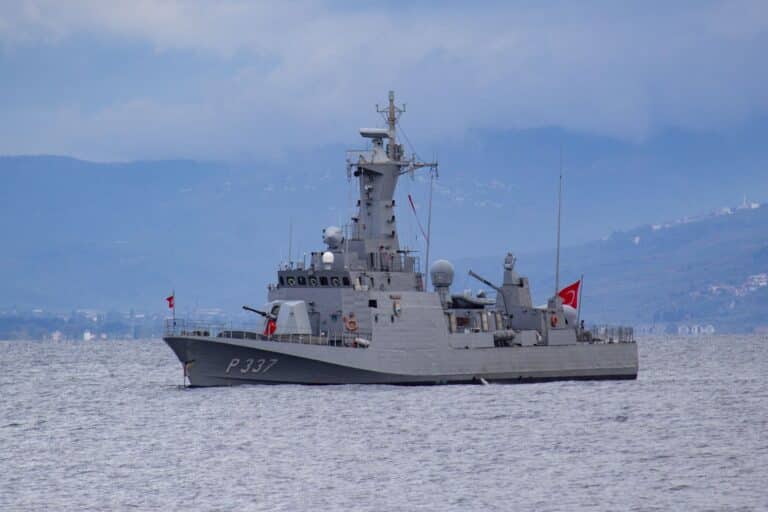
Taiwan protested Indonesia's joint naval exercise with China in August 2026 conducted within Taiwan's exclusive economic zone. The exercise reflects China's strategy to establish normalized military operations in contested waters and signals potential shifts in Indonesian foreign policy under President Prabowo Subianto.
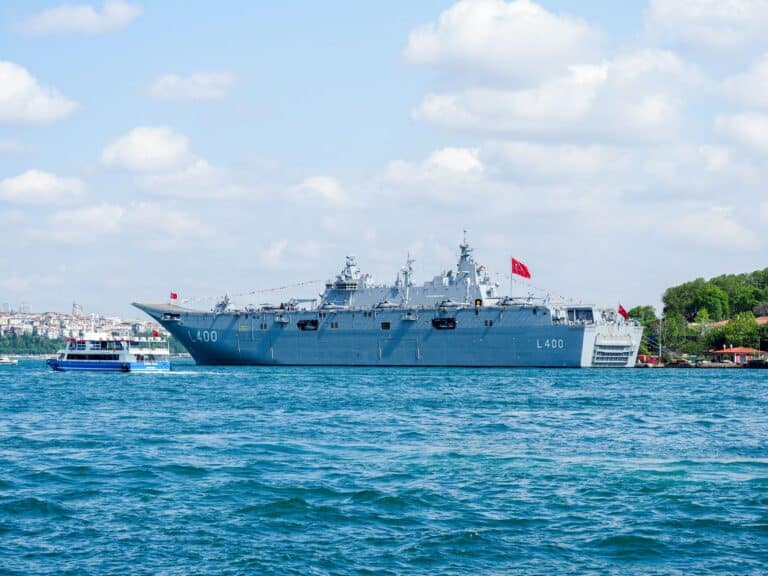
China's August 2024 joint military exercise with Indonesia in waters east of Taiwan marks a strategic escalation in Beijing's grey-zone coercion tactics. Rather than relying solely on diplomatic pressure, China is now weaponizing third-country military cooperation to validate its territorial claims while maintaining plausible deniability.
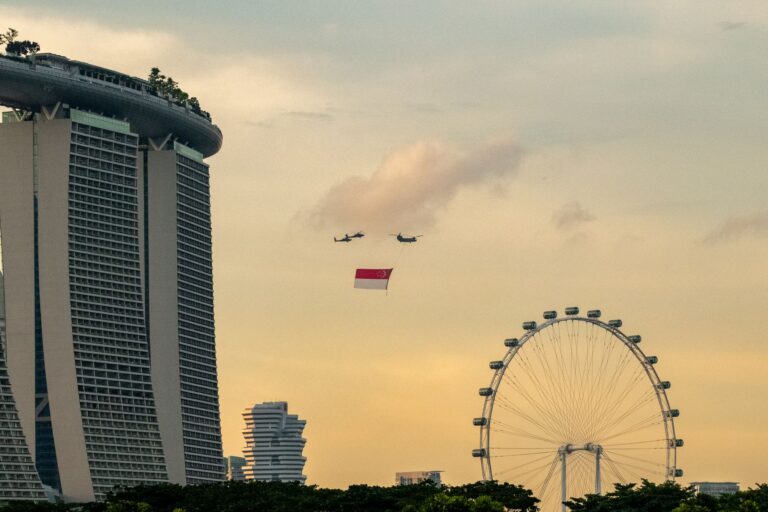
Singapore's 2025 sanctions on Israeli nationals for settler violence marked an unprecedented assertion of principle in a historically consequential partnership. The measured response reveals how a small state balances strategic necessity with adherence to international law.
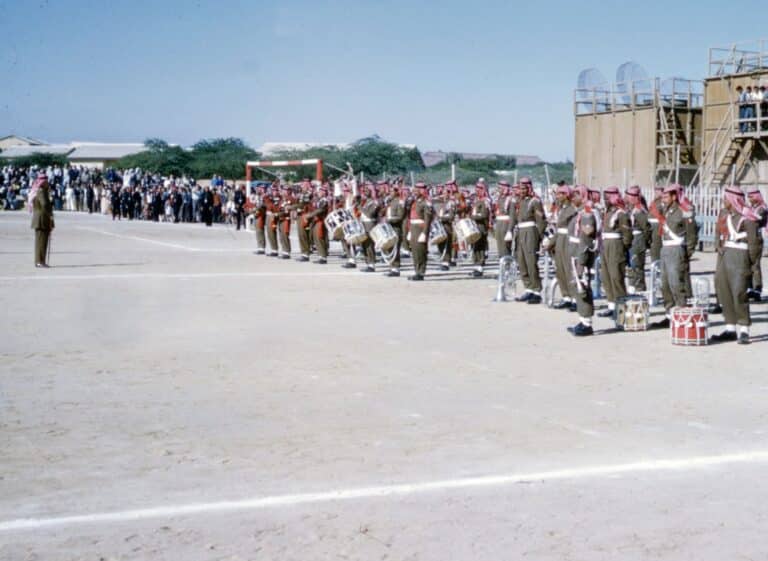
Pakistan, Turkey, and Saudi Arabia signed the Mecca Joint Defense Agreement in August 2025, committing to treat attacks on any member as attacks on all three. The pact represents Pakistan's formal pivot into Gulf security while preserving operational flexibility and avoiding full military integration.

Shen Minjuan's promotion from ambassador to Mongolia to director-general of China's Department of Asian Affairs signals Beijing's shift from assertive wolf warrior diplomacy toward pragmatic geoeconomics. Her tenure in Ulaanbaatar demonstrates a model balancing economic gains with firmness on core interests.

The Quad's first dedicated joint statement on ASEAN cooperation in Manila signals a strategic pivot toward deeper regional engagement, while ASEAN's acceptance of this partnership marks a significant loosening of its traditional neutrality in great power competition.

Thailand shelved its one-trillion-baht 'land bridge' megaproject in July 2024, citing unfavorable feasibility findings and environmental concerns. The strategic pivot toward Ranong Port modernization reflects pragmatism but exposes Thailand's broader infrastructure execution challenges.