Physical Address
304 North Cardinal St.
Dorchester Center, MA 02124
Physical Address
304 North Cardinal St.
Dorchester Center, MA 02124

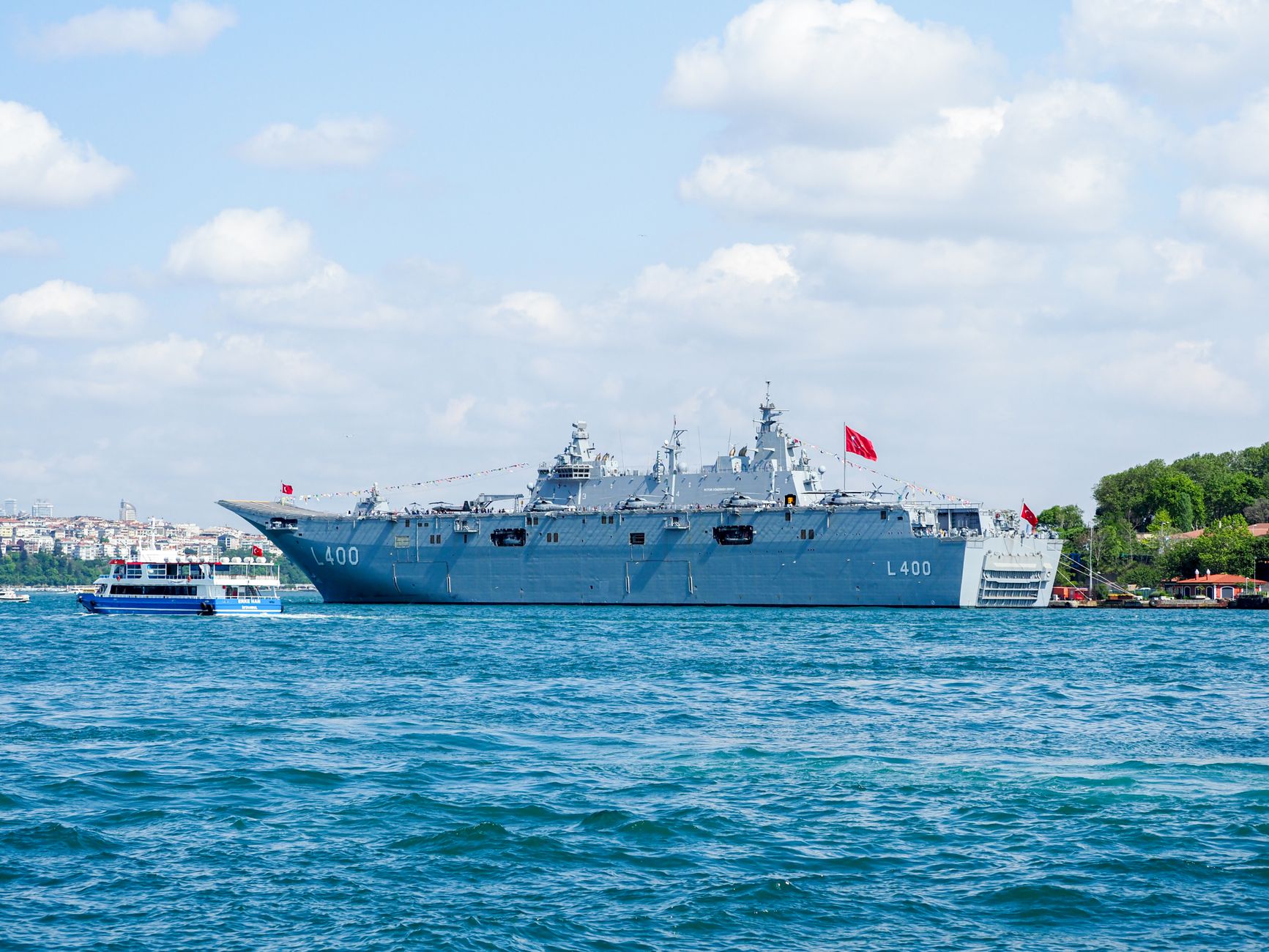
China's August 2024 joint military exercise with Indonesia in waters east of Taiwan marks a strategic escalation in Beijing's grey-zone coercion tactics. Rather than relying solely on diplomatic pressure, China is now weaponizing third-country military cooperation to validate its territorial claims while maintaining plausible deniability.
On August 12, 2024, China’s People’s Liberation Army Navy (PLAN) conducted a joint navigation exercise with an Indonesian Navy warship in waters east of Taiwan—a first for China in these strategically contested waters. The exercise represented a calculated escalation in Beijing’s strategy to establish de facto jurisdiction over the Taiwan Strait and adjacent maritime zones. Chinese state media, particularly the Global Times, immediately framed the operation as validation of China’s “sovereign rights and jurisdiction over the exclusive economic zone east of Taiwan island,” according to military affairs analyst Zhang Junshe.
Taiwan’s government swiftly condemned the exercise as “political manipulation” designed to create a false international impression of Chinese sovereignty. Washington similarly objected, urging Beijing to “cease its continuous military pressure against Taiwan.” Yet Indonesia’s Navy downplayed the operation as routine, describing it as a “limited joint training or passing exercise” conducted while transiting from joint drills with Russia in Vladivostok. This asymmetry in framing—between Beijing’s maximalist interpretation and Jakarta’s minimalist characterization—reveals the strategic ambiguity China deliberately cultivates.
The August exercise did not occur in isolation. Since early June 2024, following Japan and the Philippines’ decision to commence exclusive economic zone (EEZ) delimitation talks east of Taiwan, China has dramatically intensified its operational footprint in these waters. The PLAN had previously conducted exercises in the region, but June marked the first independent patrol by China’s Coast Guard, accompanied by law enforcement and research vessels.
Beijing initially framed these Coast Guard operations as temporary enforcement actions. However, the patrols have since become semi-permanent fixtures, establishing what amounts to a de facto administrative presence. This operational creep serves multiple purposes: it normalizes Chinese maritime activity in disputed waters, creates bureaucratic facts on the ground, and provides cover for future military exercises by establishing a narrative of routine state activity. The August PLAN-Indonesian Navy exercise represents the logical escalation of this strategy—moving from unilateral Coast Guard presence to multilateral military validation.
Indonesia’s response to the August exercise exemplifies how Beijing exploits third-country strategic ambiguity. The Indonesian Navy initially characterized the drills as routine transiting exercises, invoking Indonesia’s “free and active” foreign policy and “universal naval tradition.” Significantly, Indonesia’s first statement referred to conducting exercises when “transiting through another country’s maritime area”—a formulation that could imply recognition of Chinese sovereignty. A subsequent statement removed the word “country,” replacing it with the vaguer “maritime area,” suggesting either diplomatic recalibration or internal disagreement over the exercise’s implications.
Whether Indonesia fully understood the geopolitical significance of the drills remains unclear. However, the ambiguity itself served China’s interests. By refusing to explicitly endorse or reject China’s jurisdictional claims, Indonesia allowed Beijing to claim tacit validation. As one Taiwanese intelligence official assessed, the exercise held “geopolitical significance” despite lacking direct military impact on Taiwan’s security posture. This dynamic illustrates China’s sophisticated understanding that third-country non-opposition functions as de facto support for its claims.
The Indonesian exercise reflects a broader strategic pivot in how Beijing pressures Taiwan and enforces its interpretation of the One China principle. Historically, China’s competition with Taiwan centered on diplomatic recognition and international organizational participation. Between 2016 and 2024, Taiwan’s diplomatic allies declined from 23 to 12 as countries shifted recognition to Beijing. However, Taiwan has demonstrated resilience by maintaining robust unofficial relations globally despite formal diplomatic isolation.
Over the past year, China has shifted tactics toward what might be termed “grey-zone internationalization”—leveraging third countries to enforce stricter interpretations of One China without explicit diplomatic switches. This strategy operates through deniable, reversible mechanisms that create international validation of China’s position while obscuring attribution.
The pattern became evident in April 2024 when Seychelles, Mauritius, and Madagascar revoked overflight clearance to prevent Taiwan President Lai Ching-te’s transit to Eswatini. This represented the first time third countries directly participated in blocking a Taiwanese presidential visit. Beijing subsequently thanked these nations for upholding the One China principle, establishing a reward structure for compliance.
Subsequent incidents demonstrated systematic pressure. In June 2024, Kenya confiscated passports of two Taiwanese academics attending the Our Oceans Conference, explicitly refusing to recognize Republic of China (ROC) documents. In May, Zambia cancelled RightsCon 2026, a major human rights conference, citing pressure over Taiwanese civil society participation. Morocco halted visa processing for ROC passport holders in July. Uganda’s officials demanded Chinese passports from Taiwanese travelers, explicitly invoking Uganda’s One China policy.
Most significantly, Papua New Guinea’s Foreign Minister Justin Tkatchenko announced in July 2024 the permanent closure of Taiwan’s representative office in Port Moresby to align with One China policy. Beijing’s statement welcoming this decision appeared before the official announcement, indicating advance coordination.
China’s shift from overt diplomatic competition to grey-zone pressure reflects sophisticated cost-benefit calculation. Traditional diplomatic switches—country recognition transfers—create clear attribution and international backlash. Conversely, military exercises, passport disputes, visa delays, and conference cancellations offer plausible deniability while achieving identical political outcomes: international validation that Taiwan lacks sovereign status.
This approach distributes coercion across multiple third countries and actors, making it difficult for Taiwan to organize unified diplomatic response. Individual incidents appear minor—a passport confiscation, an overflight denial, a conference cancellation—yet collectively they construct a narrative of Taiwan’s international irrelevance. Taipei cannot credibly blame a single coercer for each incident, while Beijing accumulates evidence of global acceptance of One China.
The strategy also maintains reversibility. Should third countries face international criticism, they can characterize incidents as administrative errors or local official overreach rather than coordinated policy. This permits Beijing to deny orchestration while reaping the benefits of compliance.
The Indonesian exercise signals that China is now weaponizing third-country military cooperation to validate territorial claims in ways previously reserved for diplomatic channels. If Indonesia’s apparent reluctance to take clear position does not deter future partners, other nations may participate in similar exercises, progressively normalizing Chinese jurisdiction claims through accumulated international practice.
Taiwan faces a compounding challenge. Traditional diplomatic countermeasures—maintaining unofficial relations, participating in non-political international forums, conducting presidential transits—face coordinated obstruction. Yet these grey-zone tactics remain difficult to address through formal diplomatic or security channels. The August exercise demonstrates that even military cooperation, ostensibly governed by professional norms, can be repurposed for political signalling.
For regional powers including Australia and Japan, the pattern suggests that China will increasingly leverage third-country participation to establish facts on the ground regarding Taiwan’s status. The question is not whether China will continue this strategy, but whether third countries will maintain Indonesia’s ambiguous stance or move toward explicit validation of Chinese claims. Indonesia’s hesitation—evident in its revised statements removing references to “another country”—suggests awareness of the exercise’s implications. Yet that awareness did not prevent participation.
The sustainability of China’s grey-zone internationalization strategy depends on third-country willingness to accept modest diplomatic and economic inducements in exchange for tacit endorsement of One China. As long as the costs of participation remain low and benefits visible, the strategy will likely expand beyond Africa and Oceania into Southeast Asia and beyond. The Indonesian Navy’s participation, whatever Jakarta’s intentions, has already provided Beijing with the validation it sought.




