Physical Address
304 North Cardinal St.
Dorchester Center, MA 02124
Physical Address
304 North Cardinal St.
Dorchester Center, MA 02124

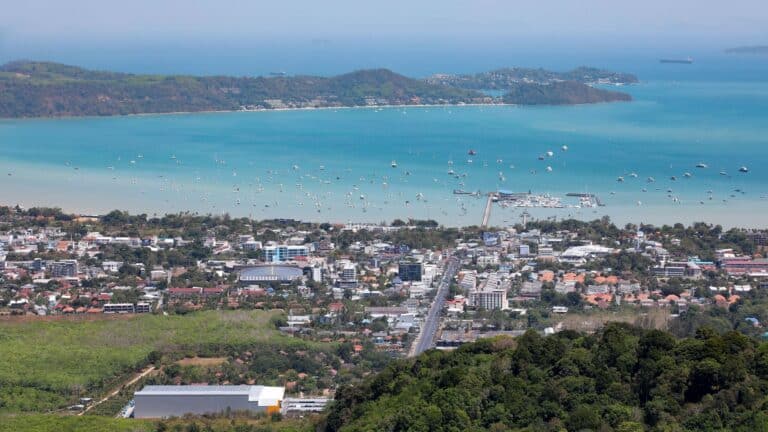
Thailand shelved its one-trillion-baht 'land bridge' megaproject in July 2024, citing unfavorable feasibility findings and environmental concerns. The strategic pivot toward Ranong Port modernization reflects pragmatism but exposes Thailand's broader infrastructure execution challenges.
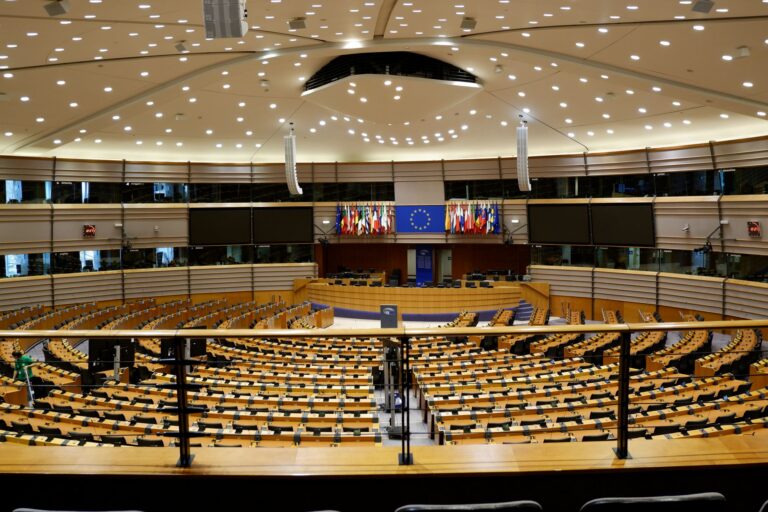
NATO-IP4 relations remain substantively strong despite the absence of Australian, Japanese, New Zealand, and South Korean leaders from recent NATO summits. The partnership has matured from establishment phase to institutionalised operational engagement sustained by ambassador-level coordination and defence ministry cooperation.
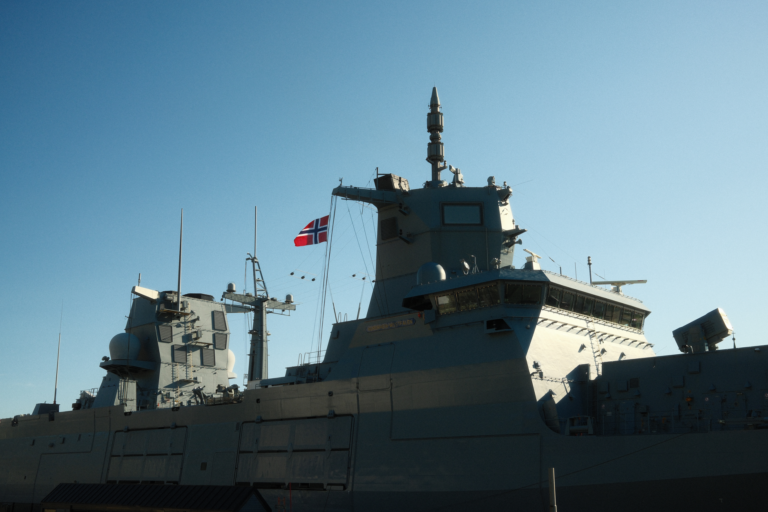
India and Japan are deepening defence industrial cooperation through shipbuilding partnerships, moving beyond operational coordination toward joint development of advanced naval platforms. The November 2024 UNICORN mast technology transfer and proposals for Mogami-class frigate co-production signal a strategic shift in how Asia's democracies build maritime deterrence capacity.
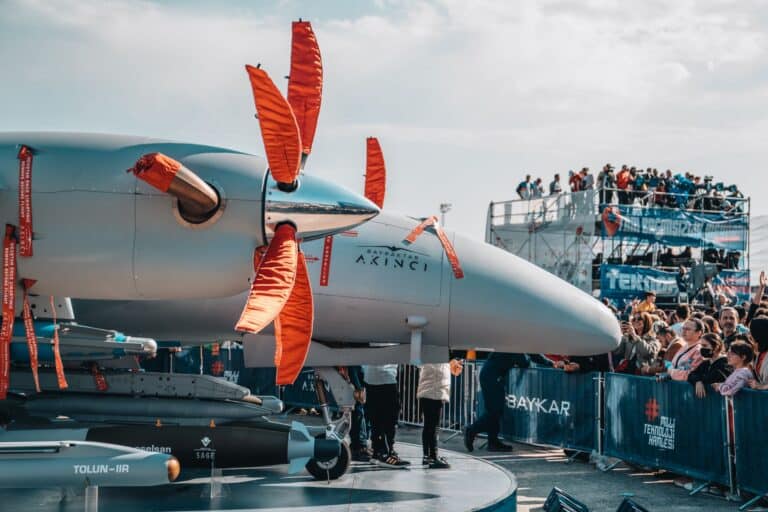
Taiwan is positioning itself as a leader in "non-red" drone supply chains, but success requires building a complete ecosystem spanning military doctrine, training systems, regulatory frameworks, and civilian applications—not just exporting hardware.

Myanmar's fragmented territorial control challenges the international convention of recognizing a single government per state. With the military junta controlling core zones, the NUG maintaining armed opposition, and ethnic armed organizations exercising genuine autonomy, major powers are increasingly engaging with multiple authorities rather than waiting for unified governmental recognition.
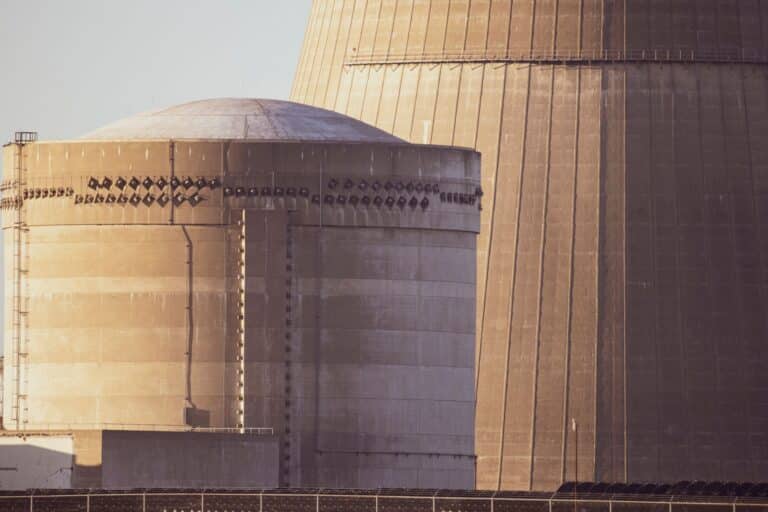
China and a US-led coalition of Japan and South Korea are competing intensely to supply nuclear reactors to Southeast Asia, with profound geopolitical implications. The region's surging electricity demand and binding 2035 operational targets for first reactors have created a decisive window for great power influence over Southeast Asian energy infrastructure and long-term alignment.

India and Australia's Joint Declaration on Defense signals a strategic shift toward coordinated responses to Chinese assertiveness in the Indo-Pacific. The agreement commits both nations to defence consultation mechanisms and expanded military cooperation, marking India's departure from traditional non-alignment.
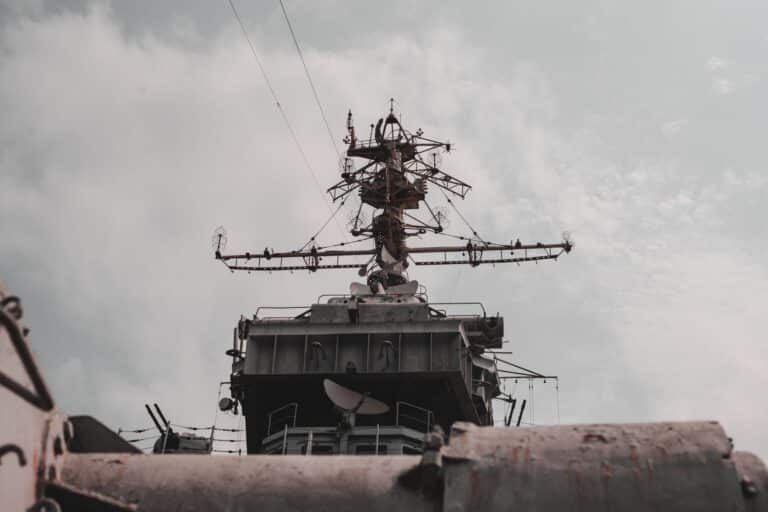
Space-based assets are reshaping maritime security competition in South Asia. India and China are expanding orbital capabilities for naval operations, while smaller littoral states like Sri Lanka and the Maldives remain dependent on external powers for maritime domain awareness.

India's strategic community faces a crisis of confidence in American commitment under Trump's second administration. A fundamental debate has emerged over whether New Delhi should maintain its U.S.-centric strategy or pursue greater strategic autonomy and reduced American dependence.

Israel is executing a deliberate geographic reorientation toward Asia, driven by eroding European support and failed Gulf normalization. India serves as strategic anchor through deepened defense co-production, while Southeast Asia offers opportunities in technology, agriculture, and cybersecurity within constraints imposed by regional strategic hedging.



