Physical Address
304 North Cardinal St.
Dorchester Center, MA 02124
Physical Address
304 North Cardinal St.
Dorchester Center, MA 02124

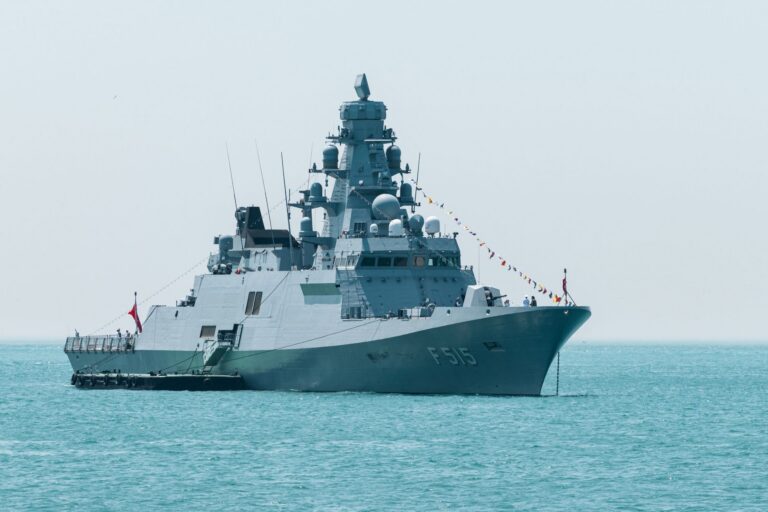
Japan and South Korea have resumed their bilateral search and rescue exercise after nine years, signalling pragmatic military cooperation despite unresolved historical tensions. The SAREX revival reflects shifting regional security imperatives as both nations face intensifying threats from North Korea and China.
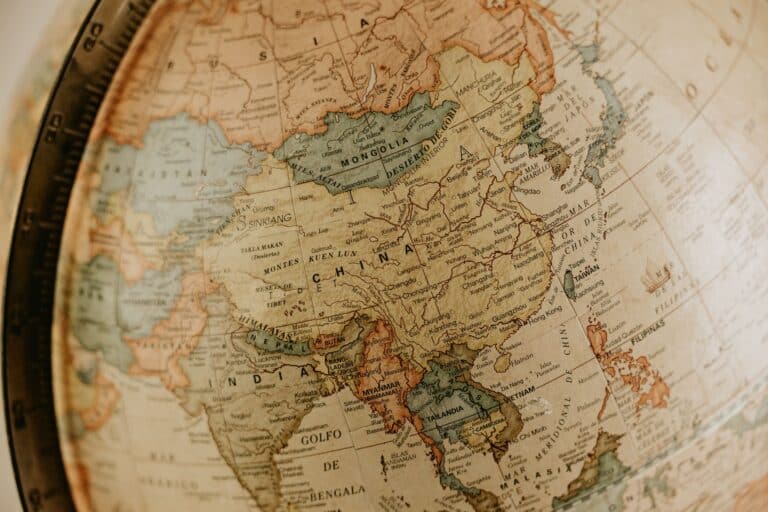
US-China rivalry threatens to become the sole organizing principle of international politics, subordinating all policy domains to geopolitical competition. For Indo-Pacific states, this creates acute constraints on policy autonomy and institutional capacity precisely when multilateral cooperation is most needed.
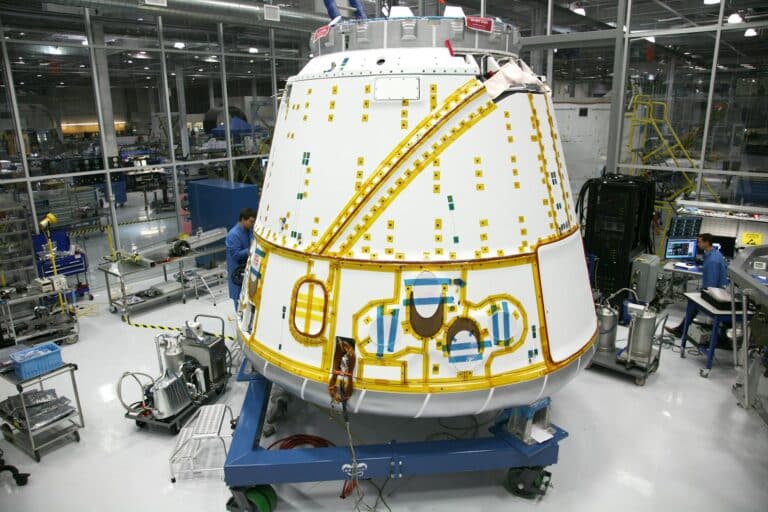
India is strategically nurturing private deep tech startups to transform its space capabilities and reduce reliance on foreign satellite systems. This state-supported commercialisation approach reshapes India's technological sovereignty and regional power dynamics across the Indo-Pacific.
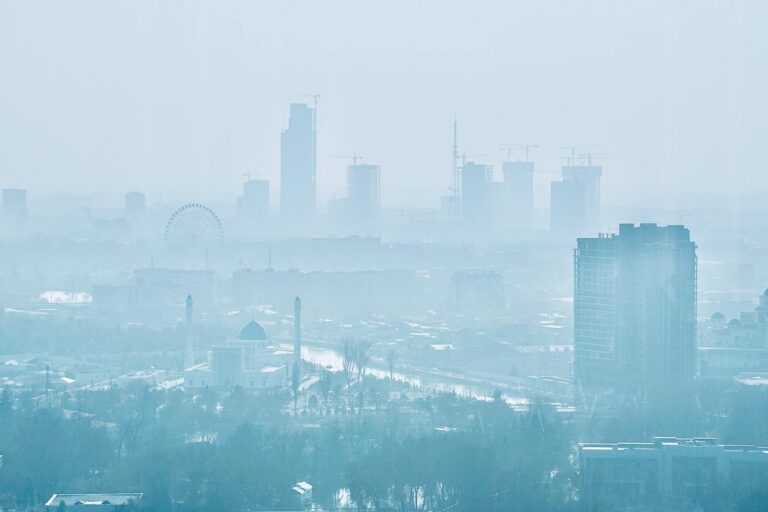
Uzbekistan is pursuing an unexpected strategic pivot away from Russia-dependent labour migration toward the United States, establishing formal bilateral agreements in healthcare, agriculture, and transportation sectors. This initiative reflects both the humanitarian costs of Russian military recruitment and Tashkent's broader effort to diversify institutional relationships beyond post-Soviet frameworks.
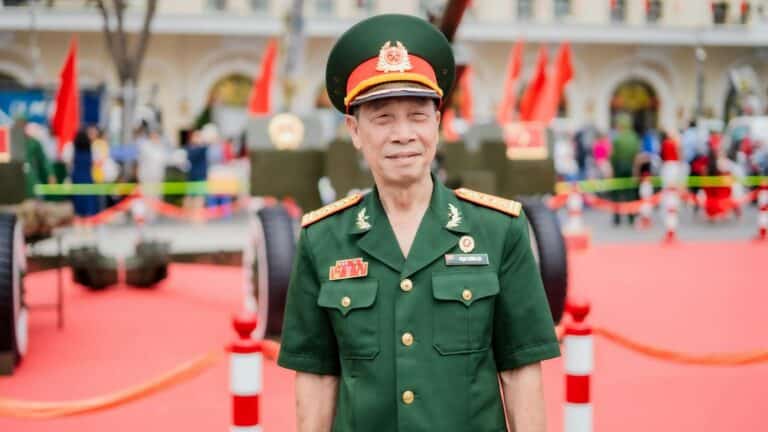
Vietnam has spent 13 years building a sophisticated regional strategy centered on nontraditional security—climate, infrastructure, AI governance—rather than military alignment. Communist Party General Secretary To Lam's 2026 Shangri-La Dialogue keynote signals that this framework has matured into a credible alternative to great power balancing.
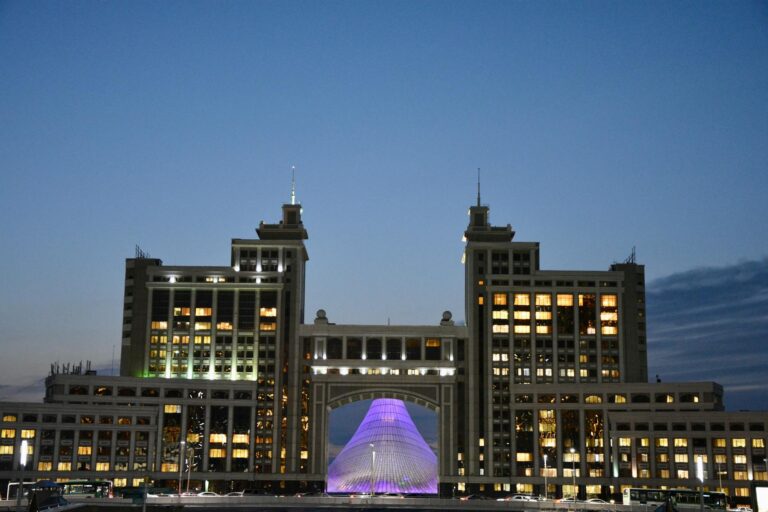
Kazakhstan's $6 billion military modernization program reflects strategic preparation for Indo-Pacific instability rather than immediate regional threats. The country is integrating unmanned systems, artificial intelligence, and diversified supplier relationships to prepare for a future where distant conflicts could disrupt critical trade corridors and destabilize Central Asia.

The Quad's new Indo-Pacific Maritime Surveillance Collaboration targets Indian Ocean maritime security through coordinated surveillance and real-time intelligence sharing. However, its effectiveness depends on addressing regional concerns about great power competition and establishing transparent partnerships with littoral states.
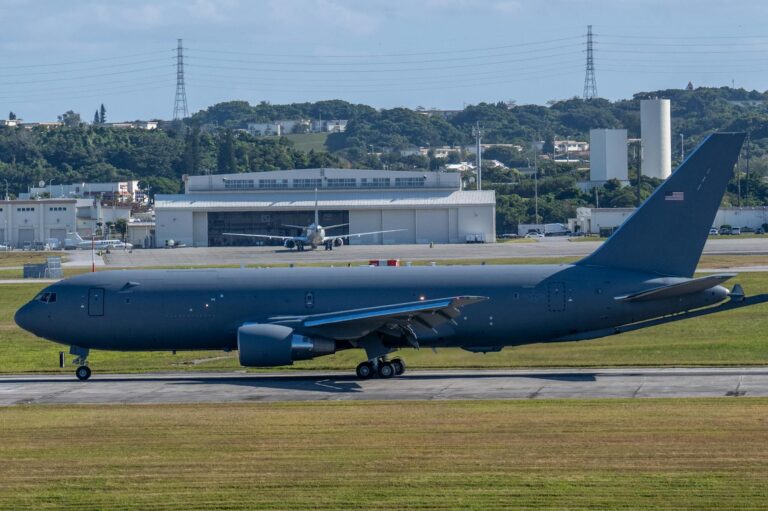
Okinawa hosts 70% of US military bases in Japan despite comprising less than 1% of the nation's land area. Yet scholarly analysis and military assessments increasingly question whether this concentration provides proportional deterrence value or instead creates strategic vulnerability.
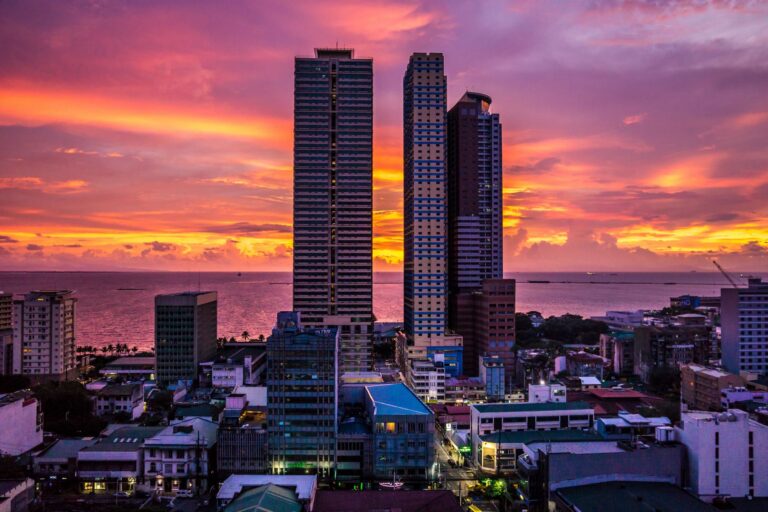
The Philippines maintains its U.S. alliance while strategically engaging China on economic and diplomatic issues, balancing security commitments with energy security needs and ASEAN chair responsibilities in 2026.
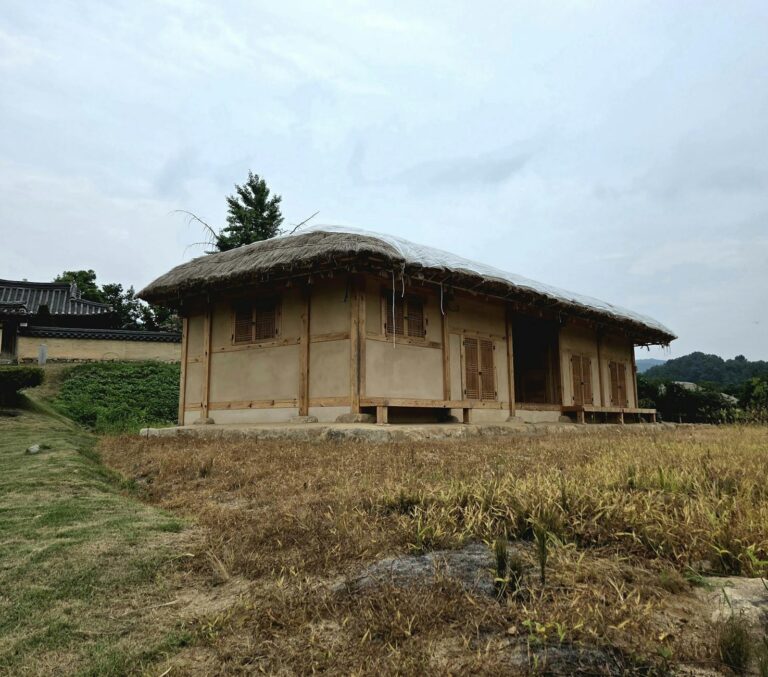
Japan and South Korea are intensifying bilateral engagement under Prime Ministers Sanae Takaichi and President Lee Jae-myung, driven by shared security challenges and generational shifts in public attitudes. However, fundamental strategic divergences on North Korea policy persist due to differing geographic and economic positions.