Physical Address
304 North Cardinal St.
Dorchester Center, MA 02124
Physical Address
304 North Cardinal St.
Dorchester Center, MA 02124

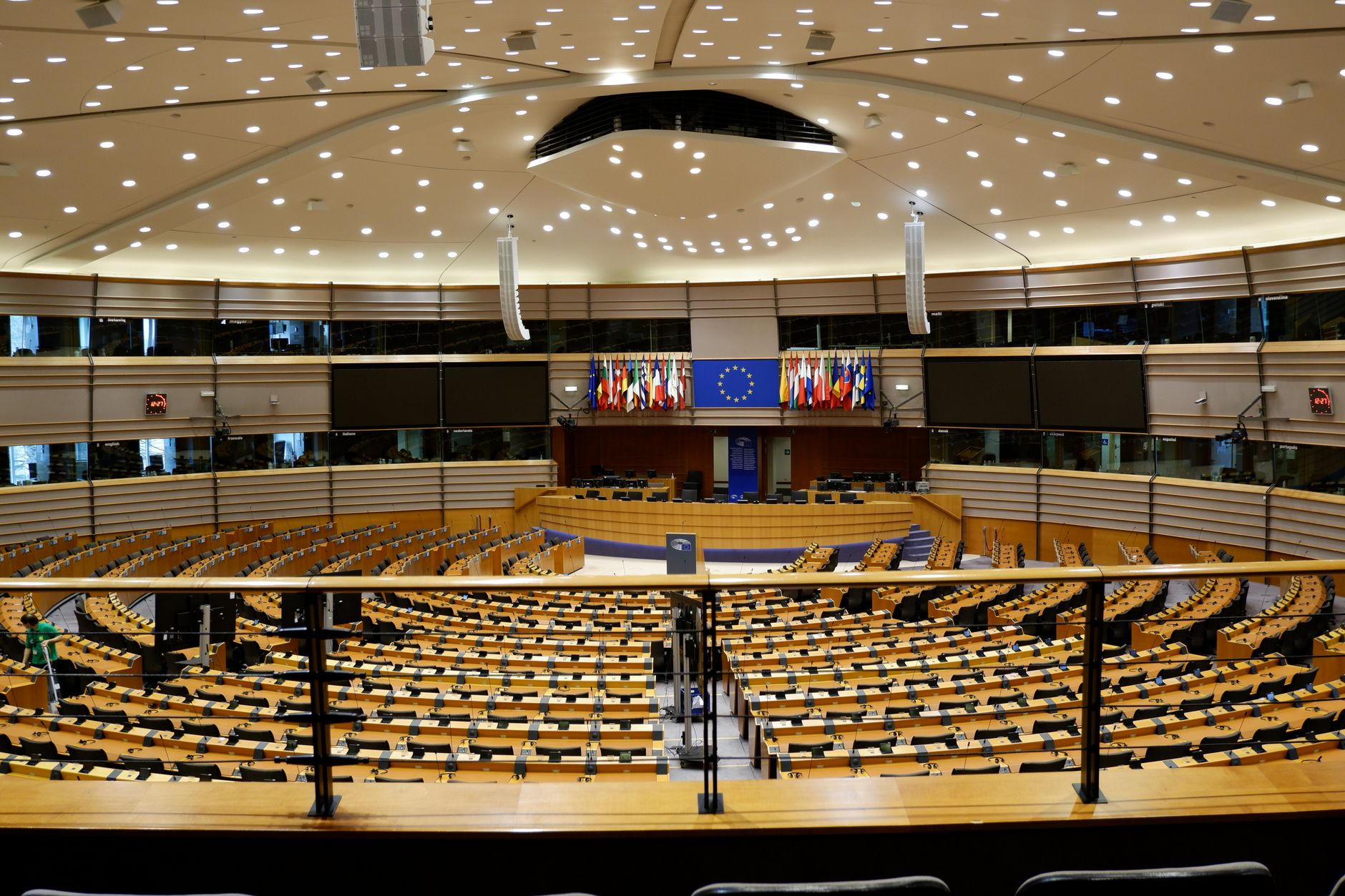
NATO-IP4 relations remain substantively strong despite the absence of Australian, Japanese, New Zealand, and South Korean leaders from recent NATO summits. The partnership has matured from establishment phase to institutionalised operational engagement sustained by ambassador-level coordination and defence ministry cooperation.
The absence of Australian, Japanese, New Zealand, and South Korean leaders from NATO summits in 2025 and 2026 has invited speculation about the health of the alliance’s Indo-Pacific partnerships. This reading misses a critical analytical point: the structural changes to NATO summits under the Trump administration have fundamentally altered the calculus of leader attendance without diminishing the strategic rationale for NATO-IP4 cooperation. The partnership is not weakening—it is maturing into a more institutionalised and operationally focused relationship.
NATO summits in 2022, 2023, and 2024 featured two-day agendas with North Atlantic Council (NAC) meetings at leader level, during which IP4 partners were granted substantive participation. The 2025 and 2026 summits compressed this to a single day, eliminating dedicated NAC leader sessions with partner countries. This change directly reflects U.S. presidential preferences rather than any shift in NATO or IP4 commitment to the relationship.
The practical consequence is significant: IP4 leaders found themselves invited to peripheral events rather than core strategic discussions. As one allied official noted, this is equivalent to inviting guests to the rehearsal dinner while excluding them from the wedding ceremony. For heads of state juggling competing domestic and regional priorities, such an invitation loses its compelling weight—particularly when their defence ministers are simultaneously engaged in parallel ministerial-level forums addressing substantive defence cooperation.
This structural reality should not be conflated with declining strategic interest. The earlier summits served a critical purpose: establishing the IP4 partnership’s public importance, generating top-level momentum to activate national bureaucracies, and formalising the relationship within NATO’s institutional framework. By 2024, these foundational objectives had been substantially achieved. All four IP4 countries had signed new Individually Tailored Partnership Program (ITPP) documents, appointed dedicated ambassadors to NATO in Brussels, and aligned on priority cooperation areas.
The critical indicator of NATO-IP4 partnership health is not leader attendance at annual summits, but rather the depth of institutionalised engagement at ambassador and working levels. This infrastructure is now robust and functioning effectively.
At the 2026 Ankara summit, all four IP4 defence ministers (with Australia represented by its Defence Industry Minister) participated in a dedicated NAC defence minister working dinner and attended a NATO defence industry forum. This represents continuity and expansion of ministerial-level engagement that has developed over recent years. Crucially, NATO Secretary General Mark Rutte’s 2025 visit to Tokyo to meet Japanese Prime Minister Fumio Kishida, combined with ongoing visits by senior NATO officials to the region, demonstrates that high-level engagement continues through alternative channels.
The ambassador-level institutionalisation in Brussels is the structural foundation that sustains the partnership independent of summit cycles. These permanent representatives are embedded in NATO’s decision-making apparatus, participate in regular NAC discussions, and coordinate IP4 positions on shared priorities. This is precisely the type of institutionalisation that allows partnerships to persist and deepen without requiring headline-generating leader summits.
The strategic logic binding NATO and the IP4 remains compelling. Four distinct geopolitical drivers underpin continued engagement:
All IP4 countries are close U.S. allies (with New Zealand a key partner), and all face similar pressures from Washington regarding burden-sharing and regional security contributions. The Trump administration’s emphasis on increased defence spending and regional contributions creates aligned incentives for the IP4 and NATO to coordinate messaging and maintain U.S. engagement within rules-based frameworks. This coordination utility—having allies sharing similar experiences of U.S. expectations—has become more valuable, not less, as U.S. policy becomes more transactional.
The Ukraine war has crystallised understanding that Euro-Atlantic and Indo-Pacific security challenges are interconnected. Simultaneous or coordinated contingencies involving China, Russia, and North Korea represent a genuine strategic concern for both NATO and the IP4. Preparing for multi-theater deterrence and defence requires continuous coordination between the alliance and its Indo-Pacific partners. Japan’s integration of Ukraine war lessons into its updated national security and defence documents—expected later in 2026—exemplifies how this learning process operates across theaters.
NATO and the IP4 share a fundamental interest in maintaining a predictable, rules-based international order. For middle powers in both Europe and the Indo-Pacific, prosperity and security have historically depended on such a system. Coordinated efforts in norm-setting, public diplomacy, countering disinformation, and supporting Ukraine represent practical applications of this shared commitment. This is not ideological alignment but rather convergent national interests in preserving the institutional architecture that has enabled their security and economic development.
The NATO defence industry forum at the 2026 Ankara summit signals expanding opportunities for defence industrial cooperation. As supply chain resilience and interoperability become critical for both NATO and Indo-Pacific security, defence industrial partnerships offer mutual benefit. Australia’s participation through its Defence Industry Minister reflects the practical importance of this dimension.
The 2024 Washington Summit established four concrete priority areas for NATO-IP4 cooperation: Ukraine, cyber defence, disinformation, and technology. These are not aspirational goals but rather operational frameworks within which substantive work is occurring.
Cyber defence cooperation is particularly significant given the shared vulnerability of all eight countries to state-sponsored cyber threats. Disinformation efforts by Russia and China target both NATO members and IP4 countries, creating natural coordination opportunities. Technology cooperation—particularly regarding emerging technologies and standards—addresses a shared interest in maintaining technological sovereignty and interoperability. These areas generate concrete working-level activity that sustains the partnership independent of summit cycles.
The NATO-IP4 partnership is transitioning from an establishment phase requiring high-level political attention to a mature operational relationship sustained by institutional mechanisms. This is a normal and healthy evolution. The absence of IP4 leaders from 2025 and 2026 NATO summits reflects structural changes to the summit format rather than declining strategic commitment from either NATO or the Indo-Pacific partners.
The real test of partnership health lies not in summit attendance metrics but in the depth of working-level institutionalisation, the substance of cooperation on identified priority areas, and the demonstrated willingness of both parties to coordinate on emerging challenges. By these measures, NATO-IP4 relations are substantively sound and operationally active.
For policy makers in Australia, Japan, New Zealand, and South Korea, the key implication is clear: the partnership does not depend on annual leader attendance at NATO summits. Rather, it depends on sustained engagement by defence and foreign ministries, active participation by permanent representatives in Brussels, and concrete cooperation on cyber defence, technology, Ukraine, and disinformation. The infrastructure for this engagement is in place and functioning. The partnership will continue to deepen through these channels, with or without summit optics.




