Physical Address
304 North Cardinal St.
Dorchester Center, MA 02124
Physical Address
304 North Cardinal St.
Dorchester Center, MA 02124

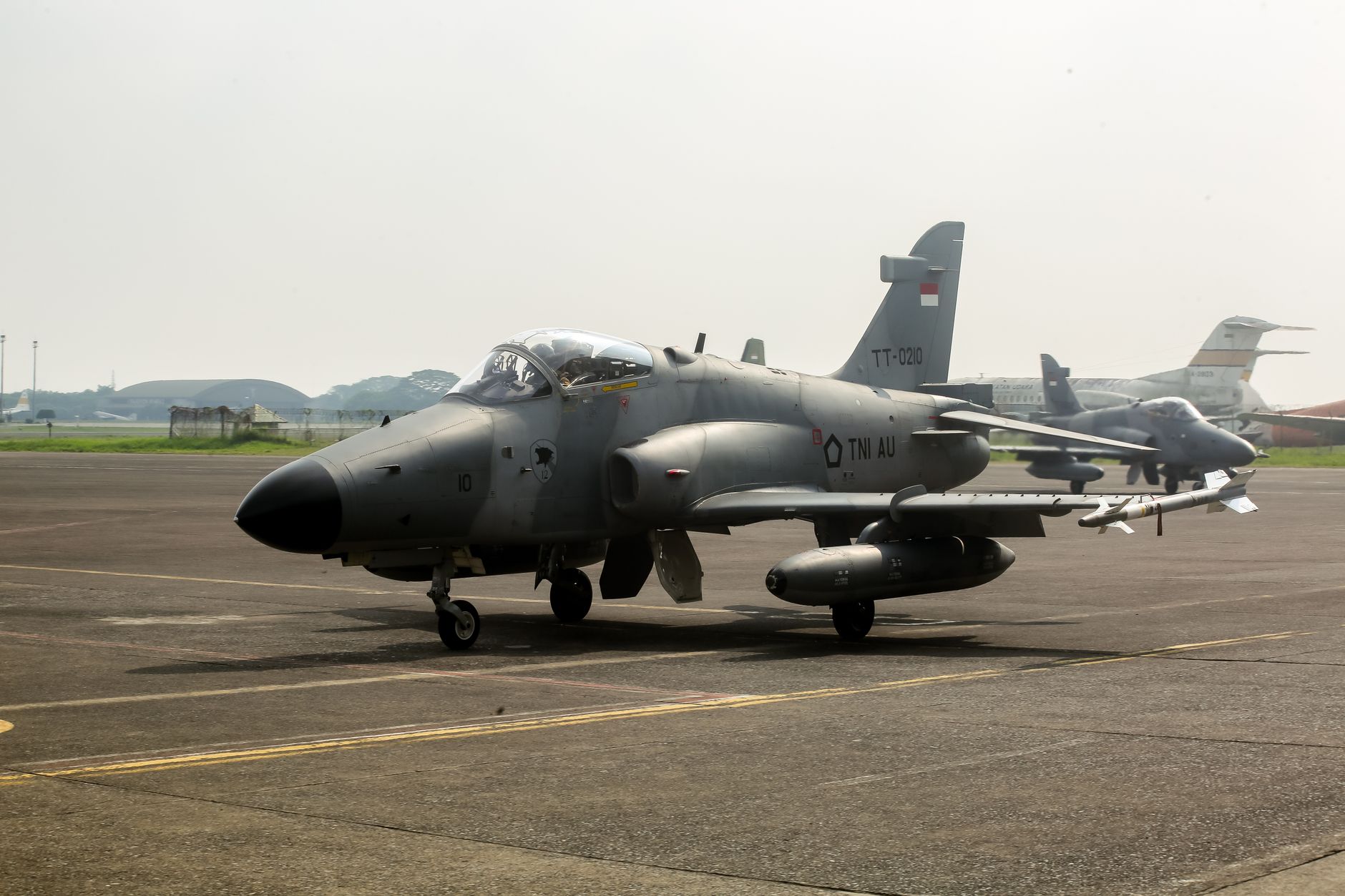
Indonesia's military has achieved tactical success in counterterrorism operations, but further expansion risks creating institutional accountability gaps and coordination failures. Optimal strategy requires pairing capability modernization with civilian oversight safeguards.
Indonesia faces a complex counterterrorism environment that has evolved significantly since the early 2000s. The Tentara Nasional Indonesia (TNI), the country’s unified military force, has become increasingly central to Jakarta’s approach to militant threats across its vast archipelago. However, as Indonesia’s military modernization accelerates and its operational mandate expands, policymakers and regional observers must carefully assess whether further institutional growth in counterterrorism operations enhances or undermines overall security outcomes.
The TNI’s track record in counterterrorism operations—particularly in Aceh, Sulawesi, and Java—demonstrates genuine tactical success. Yet the relationship between military capability expansion and counterterrorism effectiveness is not linear. Institutional expansion can introduce new complications: mission creep, reduced coordination with civilian agencies, and potential erosion of rule-of-law safeguards that underpin legitimate security operations.
The TNI’s involvement in counterterrorism operations has produced measurable results. Following the 2002 Bali bombings and subsequent attacks, the military’s operational capacity was instrumental in degrading Jemaah Islamiyah’s organizational structure and preventing large-scale attacks on Indonesian soil for extended periods. The TNI’s geographic reach—essential in an archipelago spanning over 17,000 islands—provided capabilities that civilian law enforcement agencies could not replicate.
However, this success narrative obscures institutional complications. The TNI’s historical record includes documented cases of extrajudicial detention, excessive force, and inadequate accountability mechanisms. The 1997-1998 operations in East Timor, though predating modern counterterrorism operations, revealed how military autonomy in security operations can deteriorate civilian oversight. More recent operations in Papua and Sulawesi have generated human rights concerns that, while less severe than historical precedents, indicate persistent institutional culture challenges.
The critical analytical insight is this: the TNI’s tactical effectiveness in counterterrorism has not automatically translated into institutional reform. Military organizations do not naturally develop civilian accountability mechanisms or rule-of-law safeguards through operational success alone. Effectiveness and legitimacy are distinct variables.
Indonesia’s current defence modernization trajectory, outlined in successive defence white papers and military procurement strategies, envisions expanded TNI operational capacity across maritime security, counterinsurgency, and counterterrorism domains. This expansion reflects rational strategic thinking: Indonesia faces genuine security threats from transnational militant networks, maritime piracy, and weapons trafficking. The TNI’s modernization addresses real capability gaps.
Yet institutional expansion introduces predictable complications. First, mission creep becomes probable. As military organizations acquire new capabilities—advanced surveillance systems, rapid-response units, intelligence networks—bureaucratic incentives encourage their deployment across broader security challenges. Counterterrorism operations, initially focused on specific militant networks, risk expanding to encompass broader internal security functions traditionally reserved for civilian police.
Second, coordination complexity increases. Indonesia’s counterterrorism architecture already involves multiple agencies: the National Police’s Densus 88 special operations unit, the State Intelligence Agency (BIN), the Defence Ministry, and the TNI. Each organization maintains distinct mandates, intelligence networks, and operational procedures. Expanding the TNI’s role without corresponding institutional coordination mechanisms creates duplication, intelligence silos, and potential operational conflicts.
Third, accountability frameworks deteriorate as military organizations expand. The TNI operates under a different command structure, disciplinary system, and legal framework than civilian law enforcement. Expanding military counterterrorism operations proportionally reduces civilian police oversight and increases cases falling under military justice systems, which historically demonstrate weaker due process protections and transparency standards.
The Philippines provides instructive comparative analysis. The Armed Forces of the Philippines’ expanded counterterrorism role in Mindanao, while tactically successful against specific militant organizations, coincided with documented extrajudicial killings, inadequate civilian oversight, and reduced accountability. The military’s operational autonomy in counterterrorism zones—particularly in the Bangsamoro region—created institutional environments where rule-of-law safeguards weakened despite overall security improvements.
Thailand’s experience is similarly instructive. The Thai military’s counterterrorism operations in the southern provinces, expanded following the 2004 Yala attacks, achieved tactical successes but generated persistent allegations of civilian casualties, enforced disappearances, and inadequate investigation mechanisms. Military expansion in counterterrorism operations did not strengthen Thailand’s institutional capacity for legitimate security governance.
These precedents suggest that institutional expansion in counterterrorism contexts requires explicit safeguards. Tactical effectiveness does not generate institutional accountability automatically. Indonesian policymakers must learn from regional experience that capability expansion must be paired with contemporaneous civilian oversight mechanisms, transparent accountability frameworks, and clear jurisdictional boundaries.
Indonesia’s optimal counterterrorism strategy should prioritize civilian law enforcement capacity development alongside selective military capability expansion. The National Police’s Densus 88, despite resource constraints, has demonstrated investigative competence and maintains stronger civilian oversight frameworks than military units. Expanding Densus 88’s capacity—through enhanced training, intelligence resources, and operational funding—addresses security threats while maintaining institutional accountability.
For operations requiring military capabilities (maritime interdiction, border security, large-scale operations in remote regions), Indonesia should establish explicit institutional boundaries: clear geographic zones where military operations are authorized, defined temporal limits for operations, mandatory civilian agency coordination, and independent oversight mechanisms. The TNI should support counterterrorism operations through capability provision rather than autonomous operational control.
Additionally, Indonesia should strengthen the State Intelligence Agency’s role as the primary counterterrorism intelligence coordinator. BIN maintains civilian oversight frameworks and operates under presidential authority, creating clearer accountability lines than military intelligence structures. Enhancing BIN’s analytical capacity and intelligence-sharing protocols with both civilian police and military units would improve coordination without requiring military operational expansion.
Indonesia’s counterterrorism challenge is genuine and persistent. Transnational militant networks continue operating across the archipelago; recent attacks demonstrate that the threat environment remains active. The TNI’s modernization addresses real capability gaps in a geographically complex operating environment.
However, Indonesia’s strategic interest lies not in maximizing military institutional power but in optimizing counterterrorism outcomes within a framework of institutional legitimacy. Expanding the TNI’s counterterrorism role without corresponding governance safeguards creates long-term institutional risks that outweigh short-term tactical gains. Military organizations that acquire broad counterterrorism mandates without civilian oversight mechanisms develop institutional cultures resistant to external accountability—a pattern evident across Southeast Asia.
The optimal pathway forward requires Jakarta to establish explicit institutional boundaries for military counterterrorism operations, prioritize civilian law enforcement capacity development, strengthen civilian intelligence coordination, and implement independent oversight mechanisms. Indonesia’s military modernization should proceed, but counterterrorism expansion must be paired with governance structures that preserve civilian control and rule-of-law principles. This approach recognizes both the TNI’s genuine operational value and the institutional risks that unlimited expansion creates.




