Physical Address
304 North Cardinal St.
Dorchester Center, MA 02124
Physical Address
304 North Cardinal St.
Dorchester Center, MA 02124

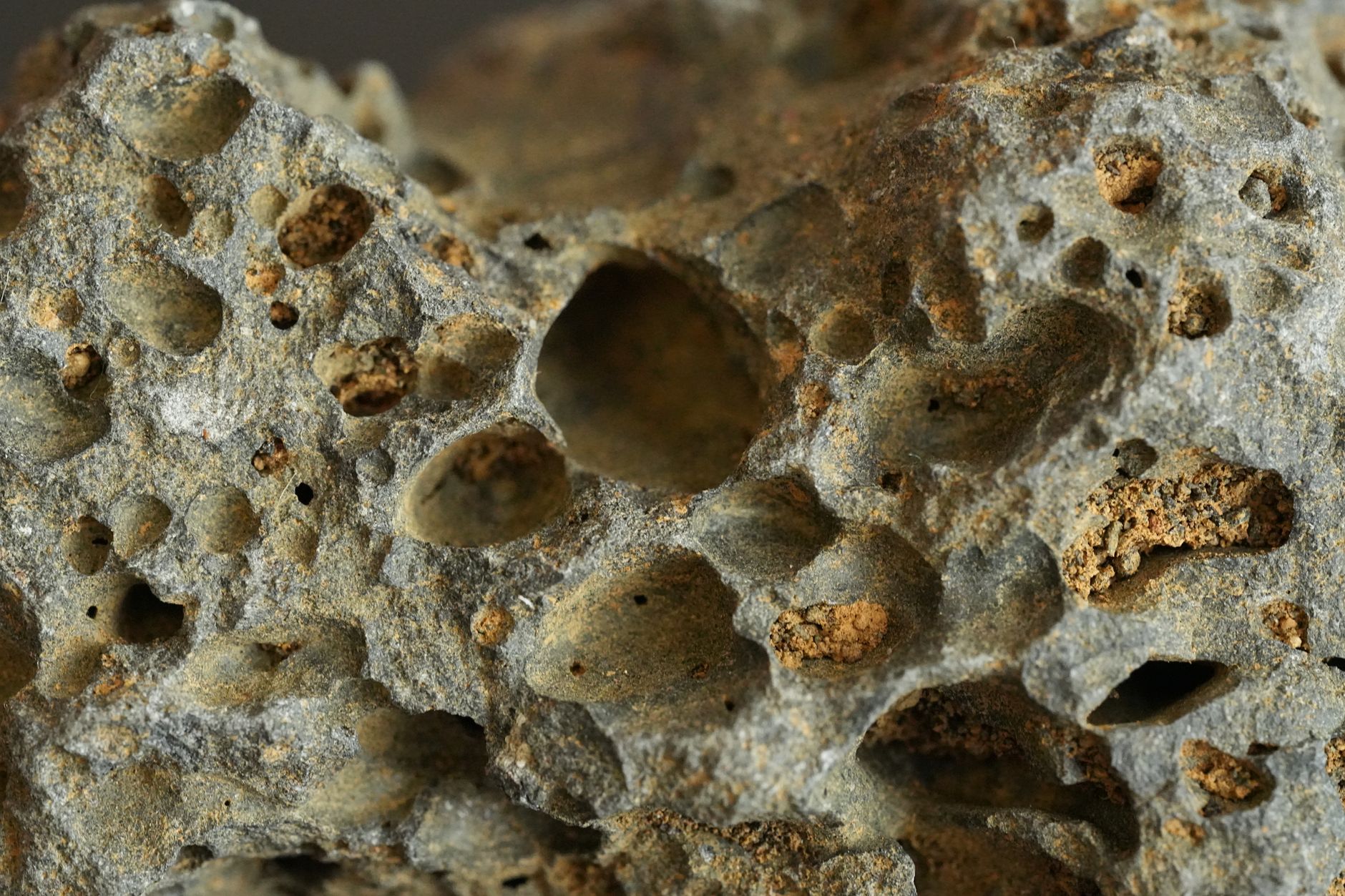
An underwater volcano in Papua New Guinea's Bismarck Sea is generating massive floating pumice rafts that threaten food security and maritime access in Manus Province. Unlike previous volcanic hazards, pumice disruption persists for months or years after eruption ends, with limited mitigation options available to vulnerable coastal communities.
Papua New Guinea faces an emerging humanitarian challenge stemming from an unexpected natural hazard: vast quantities of floating volcanic rock blocking maritime access to fishing grounds, markets, and healthcare services across Manus Province. Since May 9, the ongoing eruption of Titan Ridge—an underwater volcano in the Bismarck Sea—has generated enormous pumice rafts measuring 2–5 meters thick that have accumulated along coastlines and waterways throughout the region. In some locations, the accumulation is so severe that residents report being able to walk across previously open water. While visually striking, this phenomenon represents a serious threat to food security and livelihoods in one of the Indo-Pacific’s most ocean-dependent communities.
Papua New Guinea’s Disaster Minister Billy Joseph has publicly flagged growing concerns regarding food security and access to essential supplies as the pumice continues to obstruct maritime transport routes. Unlike developed economies with alternative infrastructure and substantial recovery resources, Manus communities depend almost entirely on ocean access for daily survival and economic activity. The disruption extends well beyond inconvenience—it threatens the foundation of subsistence and income for thousands of people whose livelihoods depend directly on seafood production and trade.
Pumice forms when gas-rich magma erupts underwater and rapidly cools, trapping countless microscopic air pockets within the rock structure. This creates an exceptionally porous material capable of floating on the ocean surface for extended periods—a characteristic that distinguishes pumice from other volcanic hazards. Contrary to common assumptions that floating pumice quickly becomes waterlogged and sinks, scientific research demonstrates that individual pumice pieces can remain buoyant for years. These fragments aggregate into massive floating rafts that can span hundreds or even thousands of square kilometers.
Ocean currents, wind patterns, and storm systems continuously redistribute these pumice rafts across vast distances. Following the 2012 submarine eruption of Havre volcano north of New Zealand, pumice travelled thousands of kilometers across the Pacific Ocean, reaching Queensland approximately eight months later and Tasmania more than one year after the initial eruption. This pattern suggests that pumice from the Titan Ridge eruption will continue circulating through Manus Province and surrounding waters for months to years, regardless of when the volcanic activity itself ceases. The eruption ending does not signal the end of disruption—it marks only the beginning of a prolonged period of maritime obstruction.
The 2021 Fukutoku-Oka-na-Ba submarine eruption south of Japan provides the most directly comparable recent case study. That eruption generated pumice rafts that devastated Japanese maritime infrastructure across Okinawa Prefecture and the Nansei islands. The impacts were severe: pumice clogged 71 harbors and marinas, damaged hundreds of vessel engines, disrupted ferry services, and significantly affected tourism and fishery industries. The economic cost in Okinawa Prefecture alone exceeded 515 million yen (approximately USD 3.5 million at 2021 exchange rates).
Japan’s response demonstrated both the scale of cleanup efforts required and their limited effectiveness. The Japanese government deployed heavy machinery on land and sea, removing more than 110,000 cubic meters of pumice from ports and beaches at an additional cost exceeding 1 billion yen. Despite this massive industrial cleanup operation—a level of resource mobilization that Manus Province cannot replicate—most pumice rafts persisted until the following spring, when seasonal wind pattern changes finally dispersed them. This critical finding reveals that mechanical removal, while necessary for restoring immediate port access, cannot address the underlying problem of floating pumice circulating in open ocean.
The contrast between Japan’s experience and the current situation in Papua New Guinea is stark. Japan possessed extensive alternative transport infrastructure, diversified supply chains, and substantial federal resources for recovery operations. Manus communities lack these alternatives. For populations dependent on maritime transport for accessing fishing grounds, markets, schools, and healthcare facilities, the absence of backup infrastructure means disruption translates directly into food insecurity and restricted access to essential services.
The disruption extends beyond human communities to the marine ecosystems that support them. Scientific observations following the 2021 Fukutoku-Oka-na-Ba eruption documented dead farmed fish with stomachs filled with pumice, indicating that marine species may mistake floating pumice for food. Researchers also observed pumice rafts passing directly across fringing coral reefs, temporarily reducing light penetration and physically colliding with shallow-water coral colonies. These impacts on reef ecosystems could have cascading effects on fish populations and the productivity of fishing grounds that Manus communities depend upon.
The 2022 Hunga Tonga-Hunga Ha’apai eruption in Tonga provided additional evidence of broader ecological impacts. Satellite observations documented volcanic particles suspended in seawater reducing light penetration through the water column, potentially affecting photosynthetic organisms and the broader marine food web. Whether similar ecological degradation will occur in the waters surrounding Manus Province remains uncertain, but the precedent suggests that marine ecosystem impacts may extend significantly beyond immediate physical obstruction of maritime routes.
In the absence of government-scale resources, Manus residents have undertaken manual clearing efforts along shorelines and waterways, attempting to restore access to fishing grounds and prevent longer-term damage to local fisheries. These grassroots responses, while demonstrating community resilience, cannot address pumice still circulating in open ocean or prevent the continued arrival of new pumice from ongoing volcanic activity. The burden of adaptation falls disproportionately on the communities most vulnerable to disruption.
The fundamental challenge facing Manus Province is that submarine eruption pumice represents a volcanic hazard without straightforward mitigation options. Unlike terrestrial volcanic hazards that can be addressed through evacuation, structural reinforcement, or land-use planning, floating pumice requires either waiting for natural dispersal through seasonal weather patterns or undertaking massive, resource-intensive cleanup operations with limited long-term effectiveness. The 2021 Japan experience suggests that even well-resourced nations achieve only partial mitigation through active intervention.
The Titan Ridge eruption and its consequences highlight a critical vulnerability in Indo-Pacific maritime security and development. Submarine volcanic activity poses an underappreciated hazard to ocean-dependent communities across the region, particularly small island nations and developing coastal areas lacking diversified infrastructure and emergency resources. Papua New Guinea’s experience demonstrates that the impacts of submarine eruptions extend far beyond the immediate volcanic zone, affecting food security, healthcare access, and economic activity across entire provinces.
As climate change and development pressures increase demands on marine resources, the resilience of ocean-dependent communities becomes increasingly critical to regional stability. The Manus Province disruption underscores the need for enhanced monitoring of submarine volcanic activity in the Indo-Pacific, improved early warning systems for pumice hazards, and strategic planning for maritime disruption scenarios. Regional cooperation mechanisms should incorporate volcanic hazard assessment into maritime security and supply chain resilience frameworks.
For Papua New Guinea specifically, the current crisis presents an opportunity to strengthen maritime infrastructure and develop contingency supply chains that reduce dependence on single transport routes. However, such development requires external support and investment that may be difficult to secure for a natural hazard that, while serious, does not generate the immediate dramatic imagery of other disasters. The months ahead will test whether Manus communities can sustain livelihoods and food security through a prolonged period of maritime disruption, and whether the international community recognizes submarine volcanic hazards as a legitimate development and security concern.