Physical Address
304 North Cardinal St.
Dorchester Center, MA 02124
Physical Address
304 North Cardinal St.
Dorchester Center, MA 02124


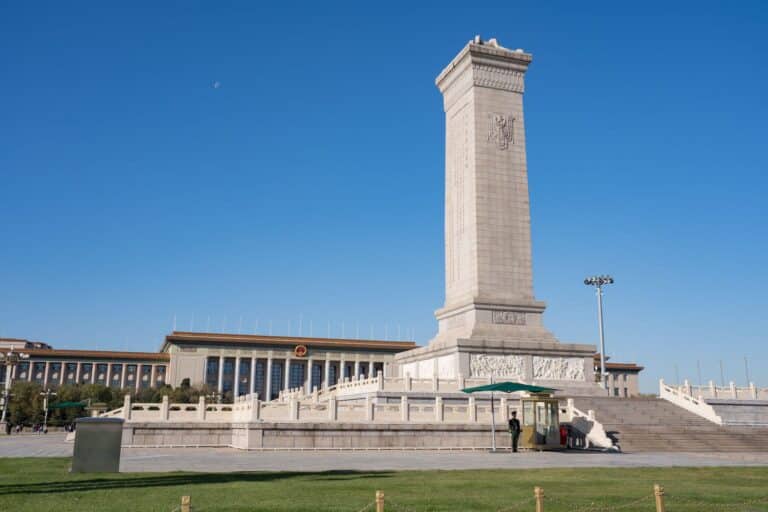
The May 2026 US-China summit's emphasis on a "constructive and stable" relationship masks Beijing's hardening position on Taiwan, creating significant pressure on Japan. As China positions Taiwan stability as central to great power management, Tokyo faces narrowing policy flexibility and uncertain US backing.
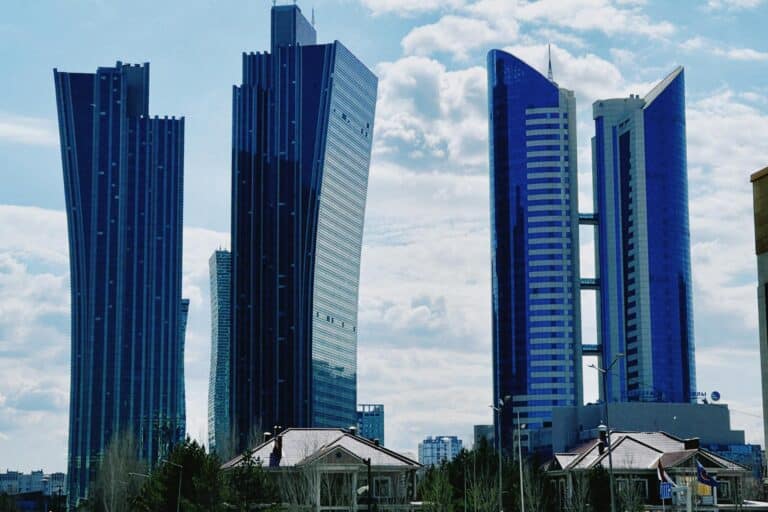
Kazakhstan's dominant super-apps like Kaspi operate beyond meaningful regulatory oversight, wielding corporate power to block accounts and revoke access to essential services. As biometric data aggregates in centralized platforms, the nation faces a critical gap between technological advancement and consumer protection.
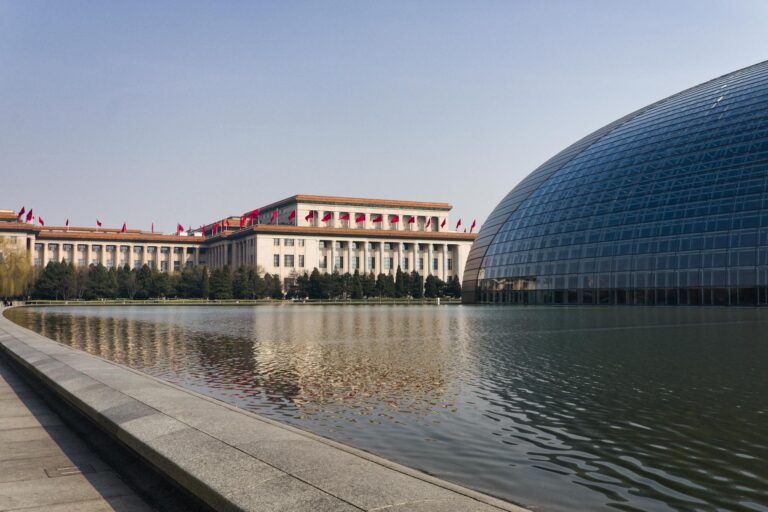
Putin's May 2026 visit to Beijing revealed the depth of China-Russia strategic alignment, exposing Washington's failed strategy of driving a wedge between Beijing and Moscow. The substantive Putin-Xi summit contrasted sharply with the hollow Trump-Xi meeting days earlier, demonstrating that personal diplomacy cannot overcome structural geopolitical convergence.
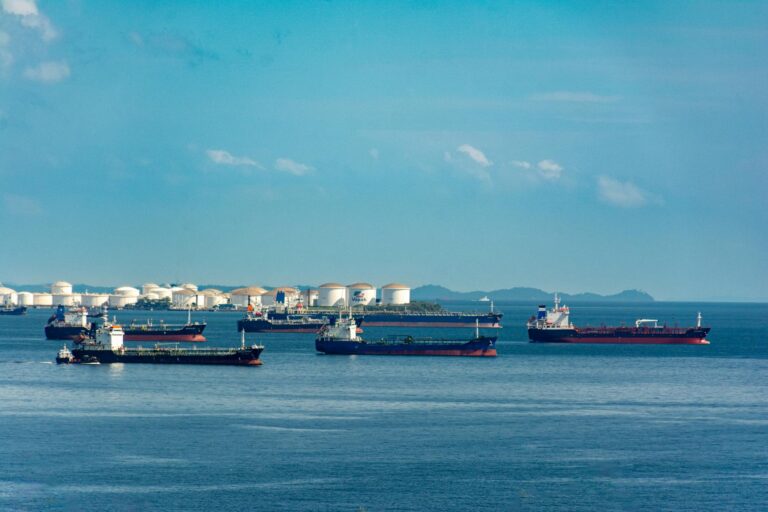
Australian PM Anthony Albanese's April 2024 energy diplomacy tour across Southeast Asia sought oil and fuel guarantees but misunderstood regional energy structures, leading to public corrections from Malaysia and failed negotiations. Australia must shift from diplomatic requests to capital investment in regional infrastructure.
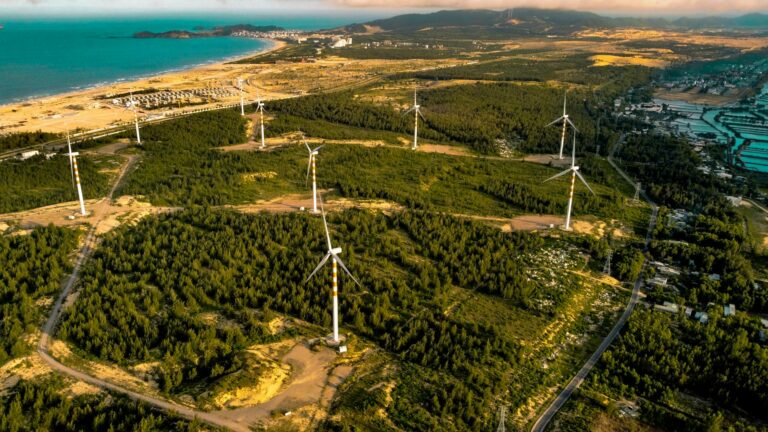
Southeast Asia's response to global fuel price surges has exposed a fundamental paradox: while governments temporarily increase fossil fuel capacity, private investment and consumer demand continue shifting toward renewables. The region's energy transition will likely proceed unevenly across ASEAN, constrained not by capital or technology but by grid infrastructure and regulatory capacity.
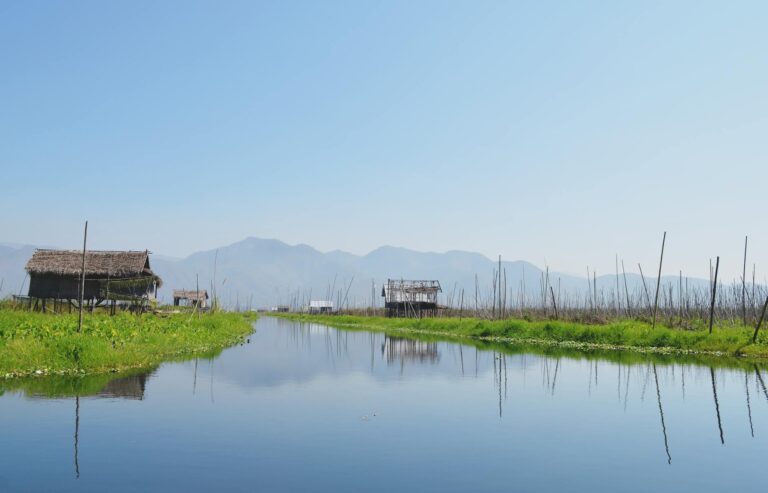
The Arakan Army's leadership under Twan Mrat Naing has adopted a strategic negotiating posture rejecting capitulation to Myanmar's military junta, leveraging territorial control in Rakhine State as a foundation for political influence. The organization's military capabilities and regional implications for India and Bangladesh shape Myanmar's fragmented conflict landscape.
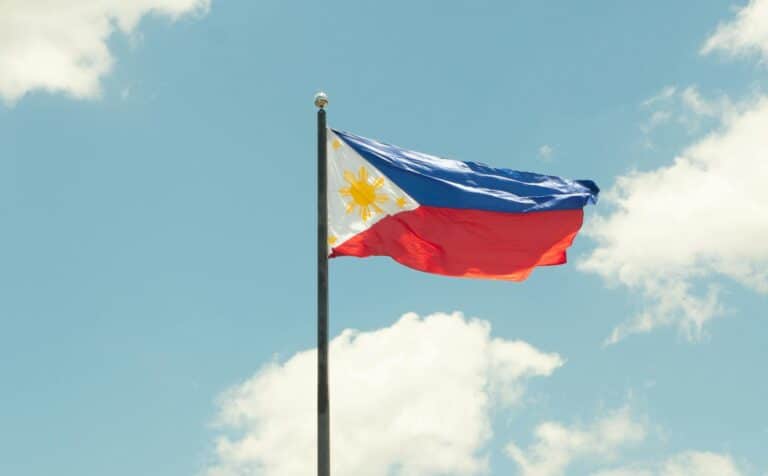
Philippine lawmakers and civil society activists planted the national flag on Sandy Cay in the disputed South China Sea despite Chinese maritime presence. The operation signals Manila's strategic shift toward assertiveness under President Marcos, marking a departure from previous accommodation policies.
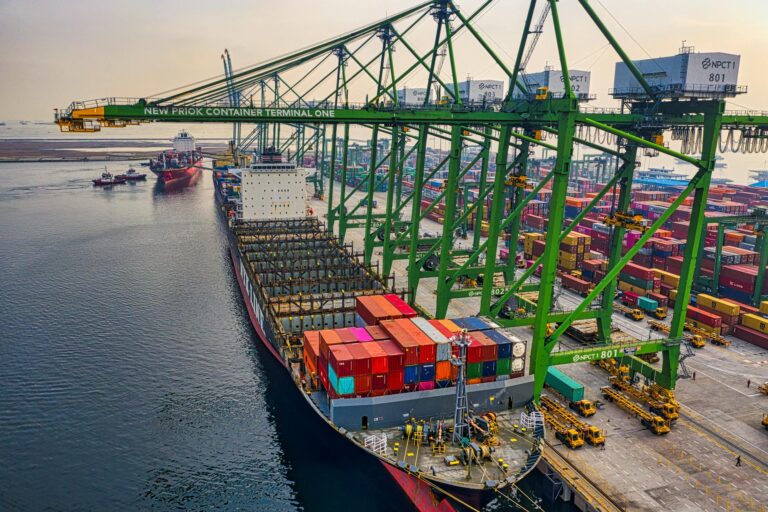
ASEAN's rules of origin framework requires urgent modernisation to reflect contemporary supply chain realities and geopolitical competition. Current ATIGA provisions constrain regional trade integration and leave ASEAN vulnerable to strategic marginalisation as competing regional agreements advance.

India's Prevention of Torture Act addresses custodial violence legislatively, but structural gaps in implementation and institutional design suggest legal reform alone cannot eliminate systemic abuse in detention facilities. Independent oversight mechanisms and prosecutorial reform remain essential.

Vietnam's 'Four Nos' doctrine—rejecting military alliances, foreign bases, and military solutions to disputes—offers a strategic model for managing great power competition while preserving autonomy. This approach resonates across Southeast Asia and constrains unilateral great power action through predictability and legal frameworks.