Physical Address
304 North Cardinal St.
Dorchester Center, MA 02124
Physical Address
304 North Cardinal St.
Dorchester Center, MA 02124


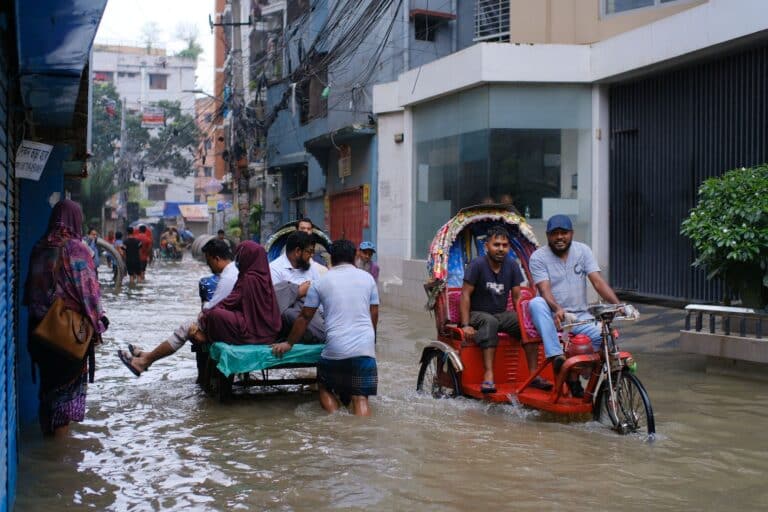
Bangladesh's Generation Z has returned to streets less than five months after the new BNP government took office, demanding education reforms following government mishandling of monsoon-affected examinations. The protests expose vulnerabilities in institutional responsiveness and threaten to undermine democratic consolidation if left unaddressed.
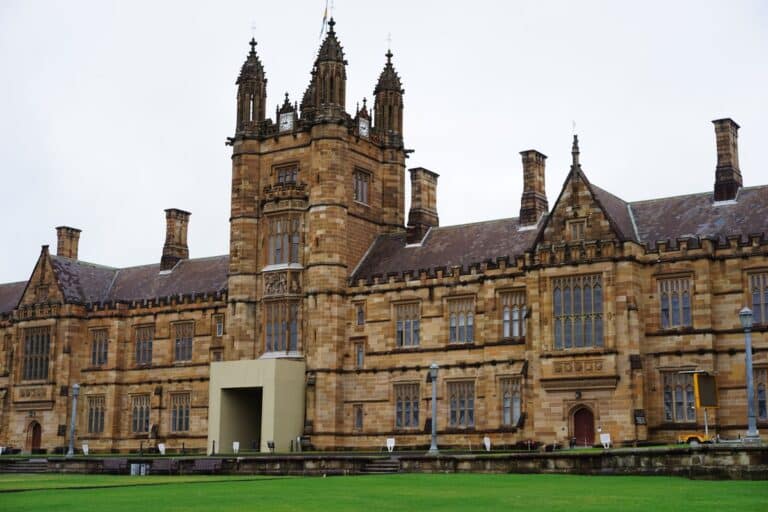
Prime Minister Anthony Albanese announced Australia's AI governance framework, establishing an Office of AI and national standards while rejecting data center moratoria. The approach prioritizes innovation while protecting creators' intellectual property, but leaves critical gaps in addressing AI-generated harms.
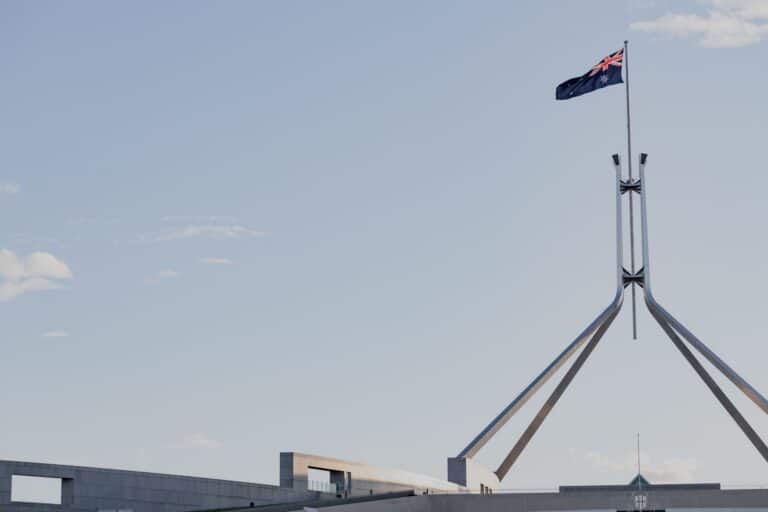
India and Australia's Joint Declaration on Defense signals a strategic shift toward coordinated responses to Chinese assertiveness in the Indo-Pacific. The agreement commits both nations to defence consultation mechanisms and expanded military cooperation, marking India's departure from traditional non-alignment.
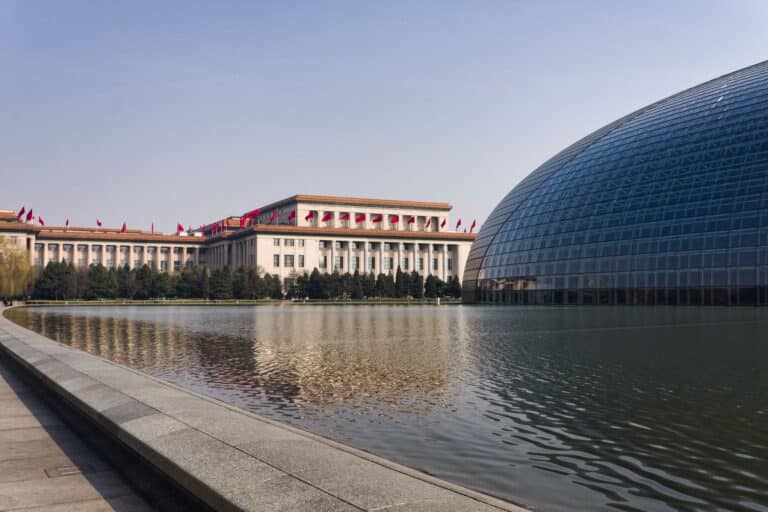
China's new ethnic unity law codifies Xi Jinping's assimilationist approach to ethnic minorities through mandatory education standardization, population mobility policies, and religious subordination. The legislation extends legal liability to foreign organizations and formalizes practices already implemented in Xinjiang and Tibet.

Space-based assets are reshaping maritime security competition in South Asia. India and China are expanding orbital capabilities for naval operations, while smaller littoral states like Sri Lanka and the Maldives remain dependent on external powers for maritime domain awareness.
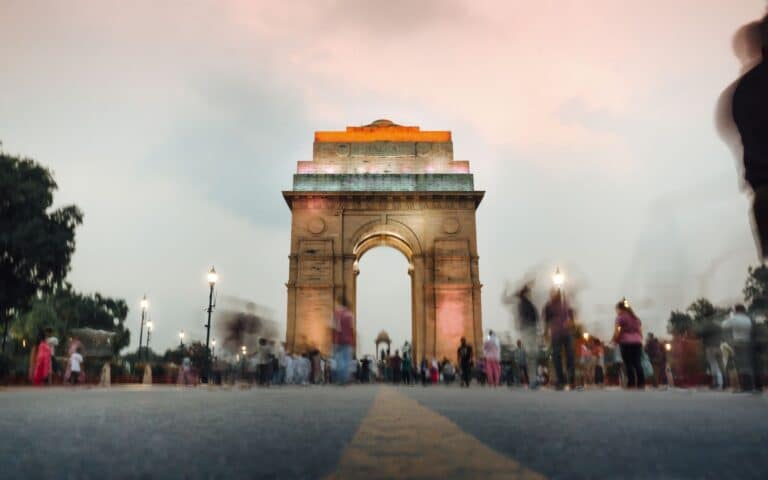
India's strategic community faces a crisis of confidence in American commitment under Trump's second administration. A fundamental debate has emerged over whether New Delhi should maintain its U.S.-centric strategy or pursue greater strategic autonomy and reduced American dependence.

Israel is executing a deliberate geographic reorientation toward Asia, driven by eroding European support and failed Gulf normalization. India serves as strategic anchor through deepened defense co-production, while Southeast Asia offers opportunities in technology, agriculture, and cybersecurity within constraints imposed by regional strategic hedging.
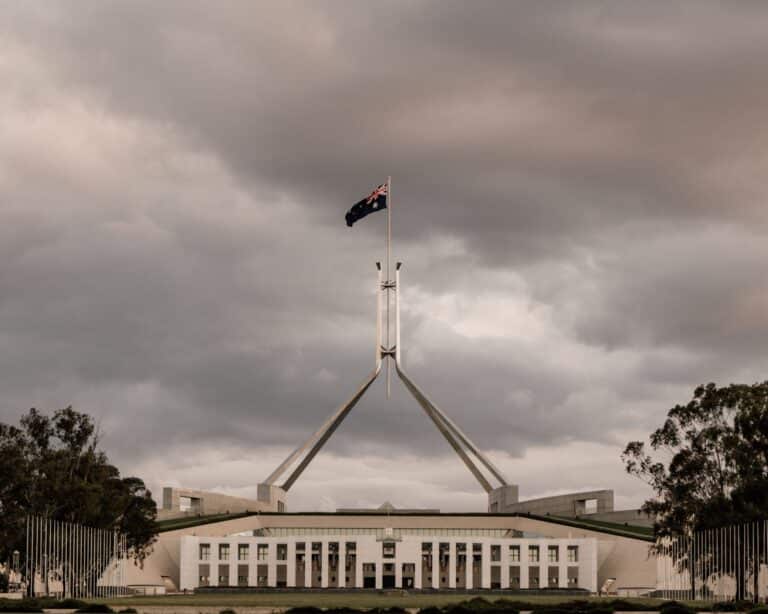
Australia can leverage its diplomatic credentials and middle power status to position itself as the Indo-Pacific's primary conflict mediator, addressing a critical gap as great power competition intensifies and multilateral institutions decline in influence.

India and Indonesia finalized a comprehensive defence partnership during PM Modi's July 2026 Jakarta visit, including $630 million in missile sales and defence industrial cooperation. The arrangement signals a shift toward operational depth in Indo-Pacific security cooperation and critical supply chain resilience.
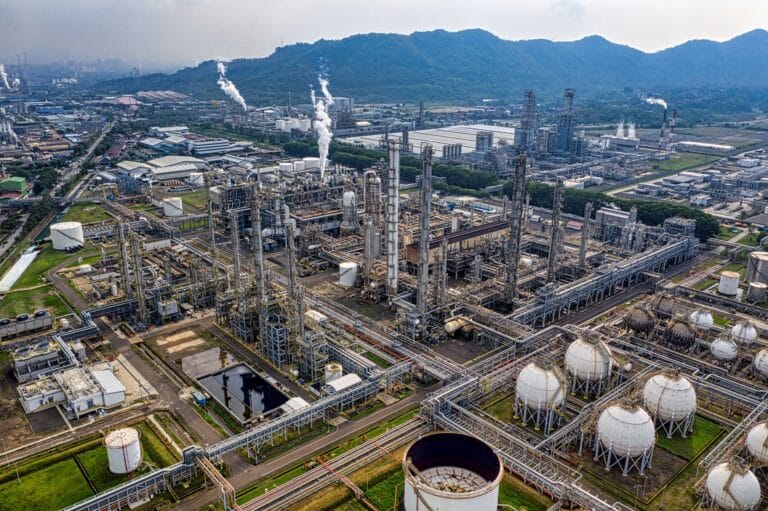
China controls over 50% of global production of refined fluorine compounds critical to semiconductors, aerospace, and nuclear technology. While governments focus on diversifying raw material sources, they overlook the more consequential challenge: replicating China's integrated downstream processing ecosystem.