Physical Address
304 North Cardinal St.
Dorchester Center, MA 02124
Physical Address
304 North Cardinal St.
Dorchester Center, MA 02124

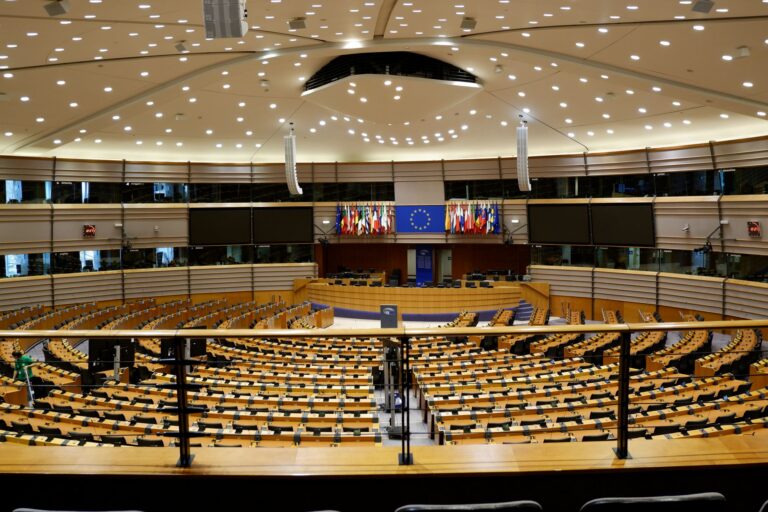
NATO-IP4 relations remain substantively strong despite the absence of Australian, Japanese, New Zealand, and South Korean leaders from recent NATO summits. The partnership has matured from establishment phase to institutionalised operational engagement sustained by ambassador-level coordination and defence ministry cooperation.

A grassroots campaign mourning a tortured stray dog in Guangdong mobilized millions across the Chinese-speaking world, revealing both the resilience and fragility of civil society under authoritarian constraints. The state's aggressive suppression of the campaign exposes how Beijing treats any autonomous public coordination—regardless of subject—as a political threat.

Jakarta's 12 million residents face a critical infrastructure crisis: 18 percent lack piped water access while the city sinks 15 centimeters annually due to groundwater extraction. PAM JAYA's 2029 universal coverage target faces significant feasibility challenges rooted in decades of governance failure.

India and Japan are deepening defence industrial cooperation through shipbuilding partnerships, moving beyond operational coordination toward joint development of advanced naval platforms. The November 2024 UNICORN mast technology transfer and proposals for Mogami-class frigate co-production signal a strategic shift in how Asia's democracies build maritime deterrence capacity.
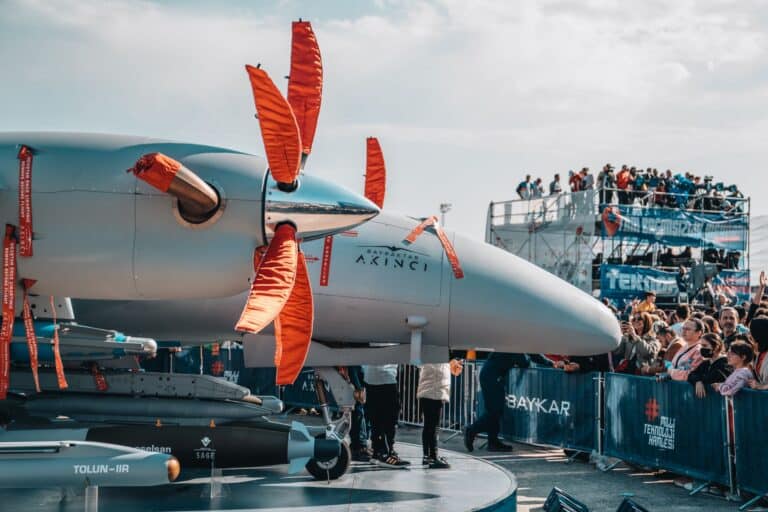
Taiwan is positioning itself as a leader in "non-red" drone supply chains, but success requires building a complete ecosystem spanning military doctrine, training systems, regulatory frameworks, and civilian applications—not just exporting hardware.
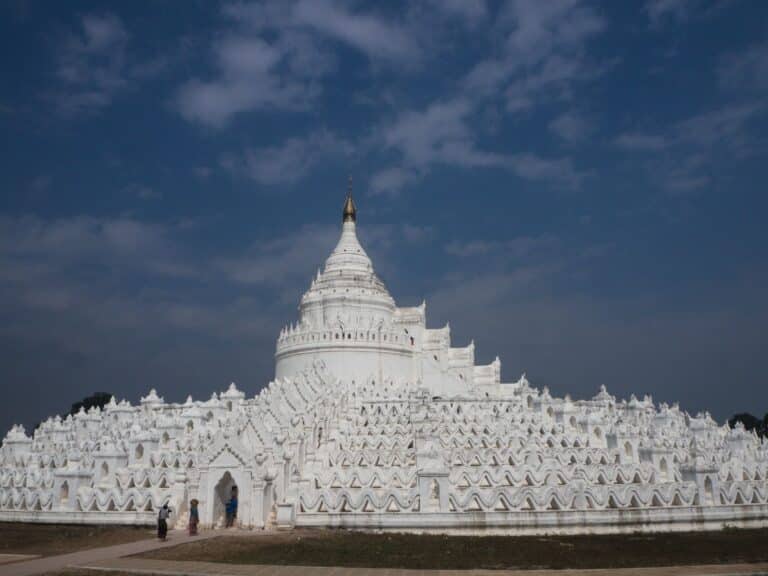
Myanmar's fragmented territorial control challenges the international convention of recognizing a single government per state. With the military junta controlling core zones, the NUG maintaining armed opposition, and ethnic armed organizations exercising genuine autonomy, major powers are increasingly engaging with multiple authorities rather than waiting for unified governmental recognition.

China's establishment of the World Artificial Intelligence Cooperation Organization (WAICO) in July 2025 represents a strategic shift from articulating AI governance principles to building permanent institutions capable of normalizing Beijing's state-centric regulatory model globally. With 29 founding members drawn primarily from Africa, Asia, and the Global South, WAICO threatens to entrench digital authoritarian governance standards in emerging AI technologies.
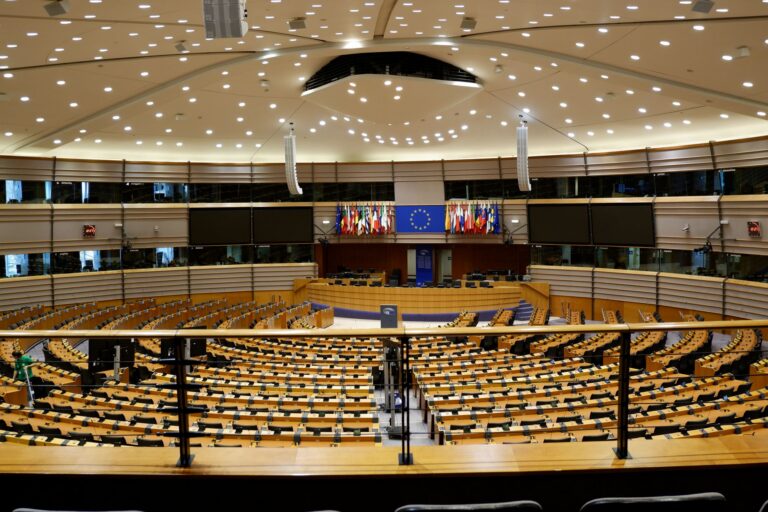
The EU's China policy has split into contradictory narratives: economic engagement through a new trade framework versus security-focused positioning of Beijing as a strategic challenge and Russian enabler. This internal contradiction threatens to undermine both initiatives.
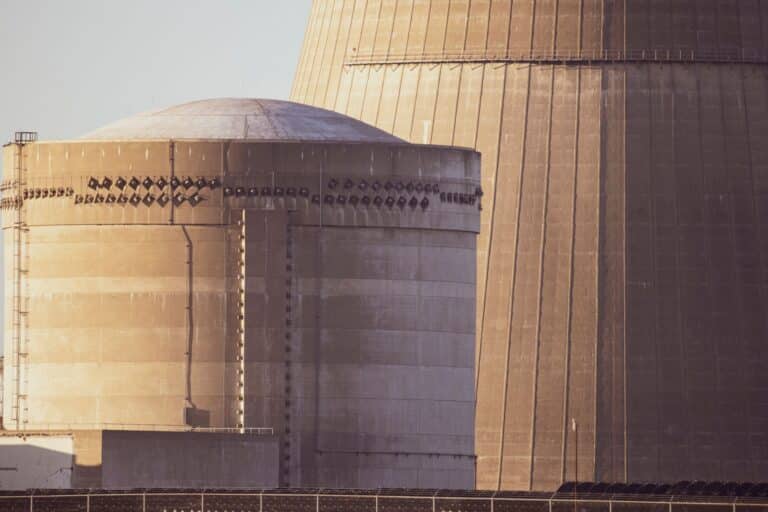
China and a US-led coalition of Japan and South Korea are competing intensely to supply nuclear reactors to Southeast Asia, with profound geopolitical implications. The region's surging electricity demand and binding 2035 operational targets for first reactors have created a decisive window for great power influence over Southeast Asian energy infrastructure and long-term alignment.
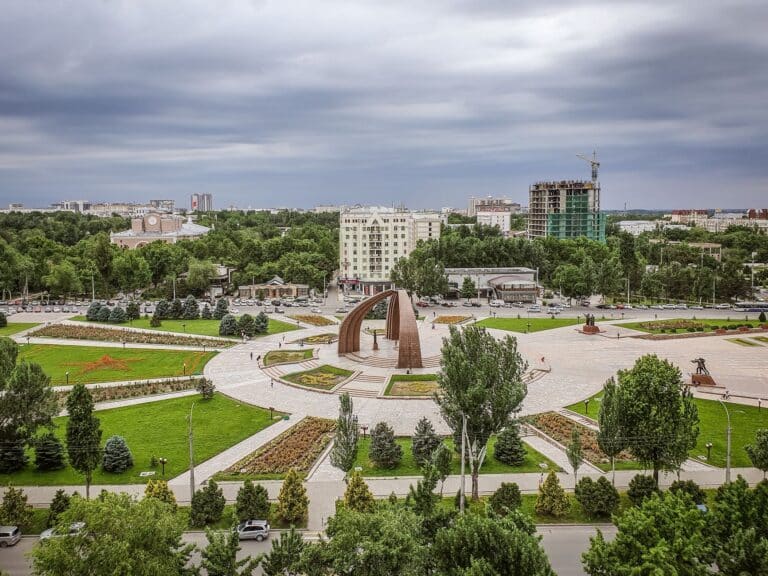
Kyrgyzstan's approach to language policy offers insights into how post-Soviet states can strengthen national languages while preserving multilingual advantages. Dr. Mahabat Sadyrbek's research demonstrates that practical institutional capacity-building, not ideological debate, determines linguistic futures in Central Asia.