Physical Address
304 North Cardinal St.
Dorchester Center, MA 02124
Physical Address
304 North Cardinal St.
Dorchester Center, MA 02124

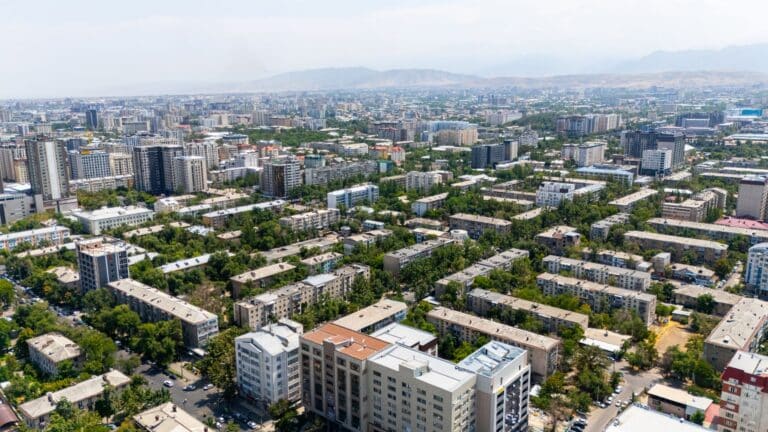
Central Asian workers now dominate Britain's agricultural sector, receiving 78.5% of seasonal visas in 2025 compared to 7.6% in 2021. This shift reflects Russia's migration crackdowns and Ukraine's labour displacement, with Kyrgyzstan unexpectedly leading recruitment despite being the region's smallest state.
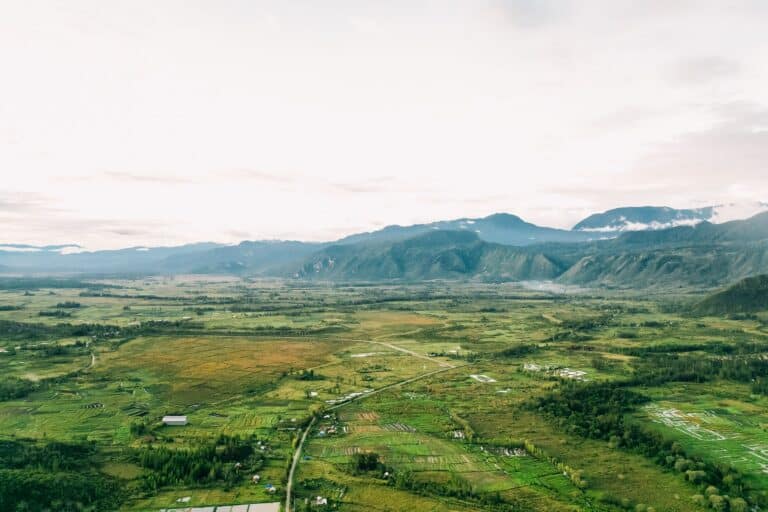
The TPNPB's killing of American pilot Nicholas Gosselin marks a critical escalation in Papua's separatist conflict, signaling the insurgency's shift toward targeting civilian aviation and foreign nationals as leverage against Indonesian state consolidation.
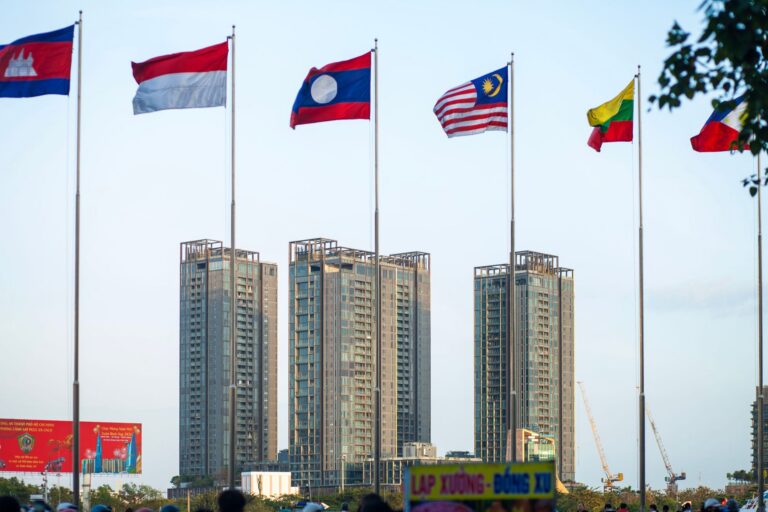
Myanmar's military junta under Min Aung Hlaing is deliberately fracturing ASEAN unity through selective diplomacy, rejecting the regional bloc's authority while consolidating alignment with China through visits to sympathetic neighbors Laos and Cambodia.
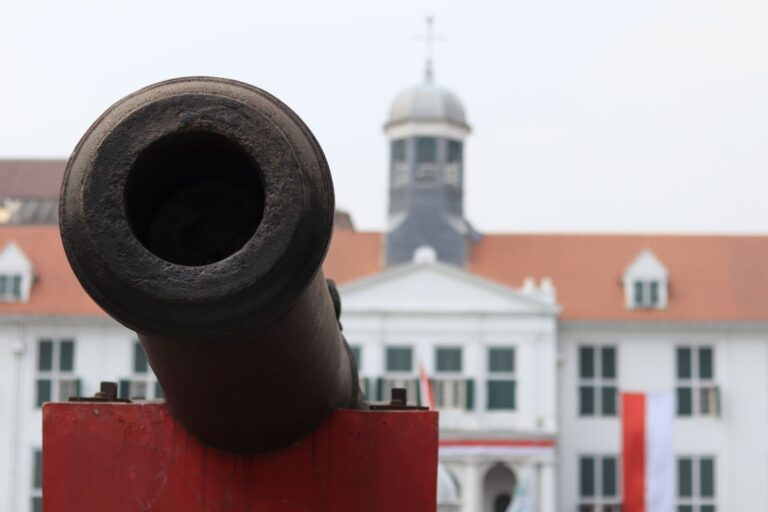
President Prabowo Subianto's cabinet appointments prioritize loyalty over expertise, with unqualified officials leading critical ministries. From diplomatic blunders in the South China Sea to food poisoning crises, Indonesia's governance capacity is deteriorating with significant regional implications.
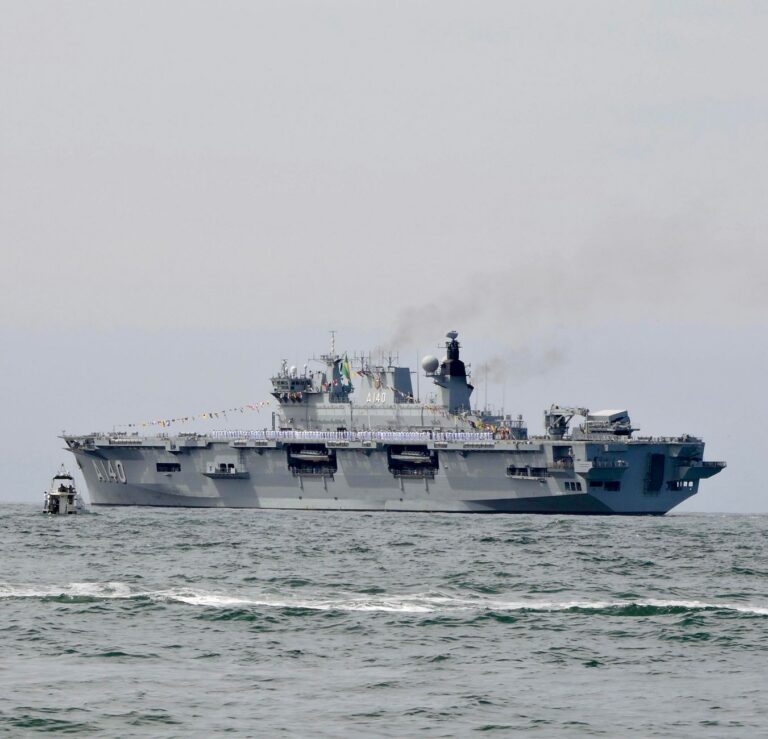
Italy is reshaping its Indo-Pacific presence through defence industrial partnerships rather than permanent military deployment. Companies like Fincantieri and Leonardo are establishing strategic footholds in Southeast Asia, exemplified by the Giuseppe Garibaldi aircraft carrier transfer to Indonesia and naval modernization partnerships with Malaysia.

Australia and Vanuatu signed the Nakamal Agreement, establishing a security partnership that reflects both Canberra's China containment strategy and Port Vila's determination to preserve strategic autonomy. The final agreement reveals important constraints on Australian influence in the Pacific.

Ten years after the 2016 South China Sea Arbitration Award, the tribunal's clarification of UNCLOS maritime entitlements has fundamentally reshaped how regional states justify maritime claims. Despite China's formal rejection, Beijing has gradually realigned its legal arguments with the award's standards, while the Philippines, Vietnam, and other claimants have actively incorporated the tribunal's principles into domestic law and diplomacy.
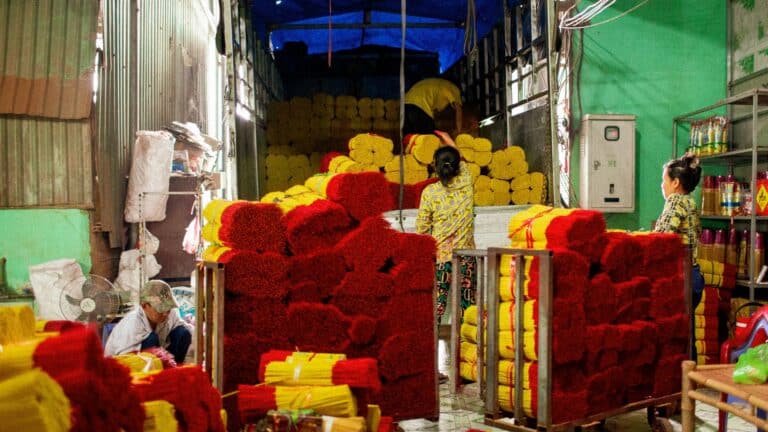
The U.S. Section 301 tariff investigation is fundamentally a trade negotiation tool, not a forced labor enforcement mechanism. ASEAN member states must pursue collective institutional reforms rather than bilateral concessions to transform external pressure into a driver of regional integration.
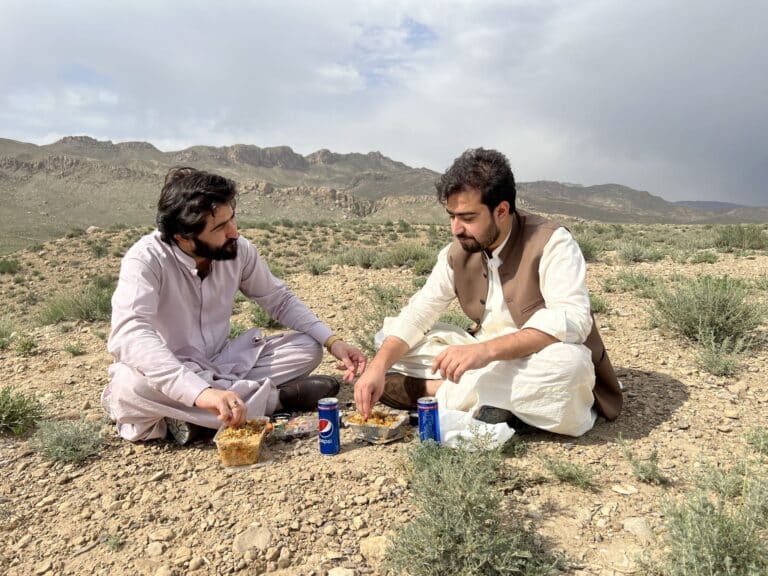
Pakistan's role as a U.S.-Iran mediator has elevated its international standing, yet systematic enforced disappearances and extrajudicial killings in Balochistan persist unchecked. The state's diplomatic credibility masks a documented human rights crisis affecting thousands of families seeking accountability for missing relatives.
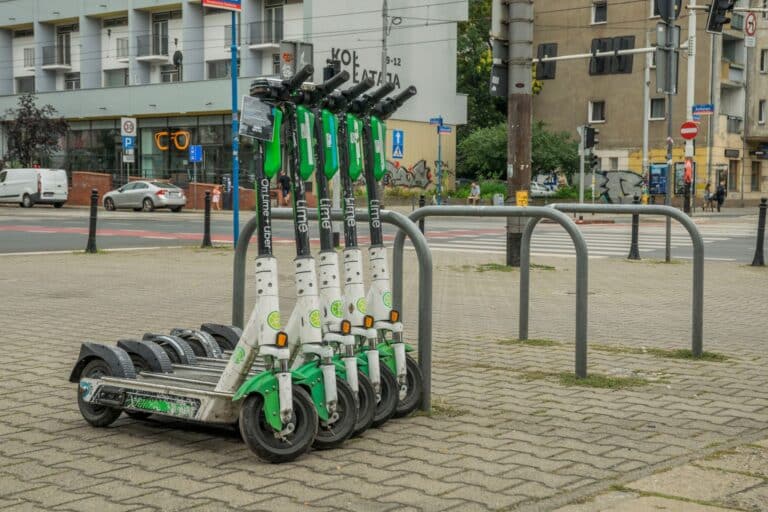
Poland has secured major Taiwanese semiconductor and electric vehicle manufacturing investments, replacing failed partnerships with Intel and China's Geely. Foxconn and TEEMA-backed companies plan facilities in Miękinia and Jaworzno, positioning Taiwan as Central Europe's preferred technology partner.



