Physical Address
304 North Cardinal St.
Dorchester Center, MA 02124
Physical Address
304 North Cardinal St.
Dorchester Center, MA 02124

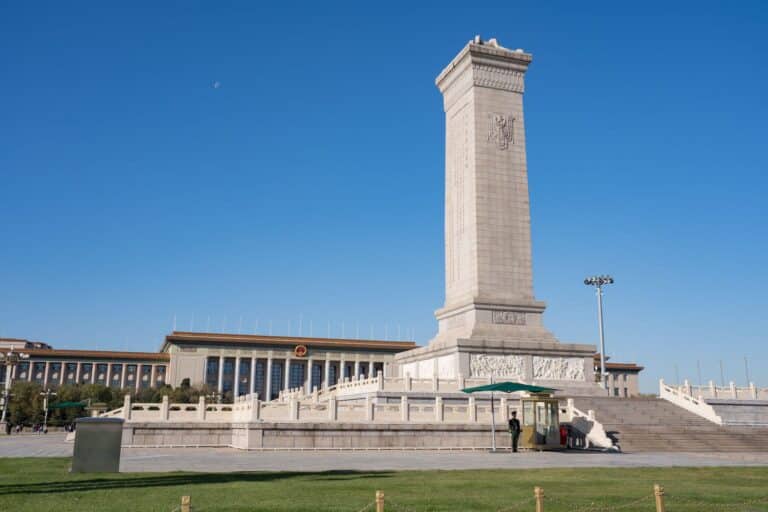
The May 2026 US-China summit's emphasis on a "constructive and stable" relationship masks Beijing's hardening position on Taiwan, creating significant pressure on Japan. As China positions Taiwan stability as central to great power management, Tokyo faces narrowing policy flexibility and uncertain US backing.
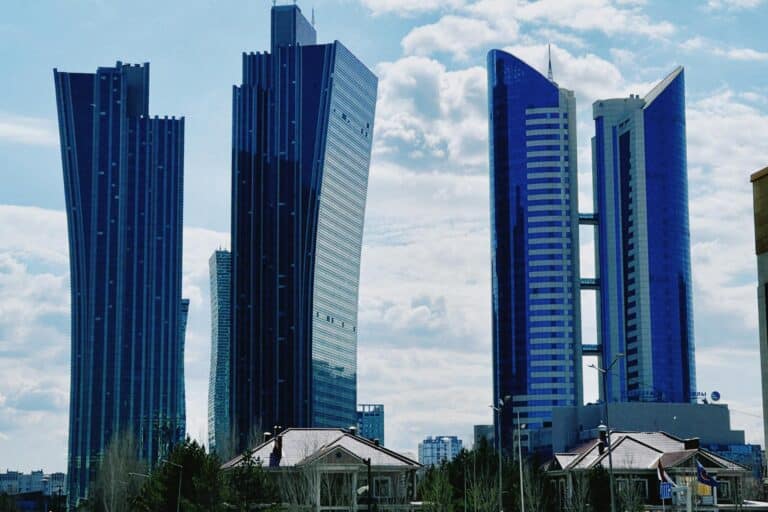
Kazakhstan's dominant super-apps like Kaspi operate beyond meaningful regulatory oversight, wielding corporate power to block accounts and revoke access to essential services. As biometric data aggregates in centralized platforms, the nation faces a critical gap between technological advancement and consumer protection.
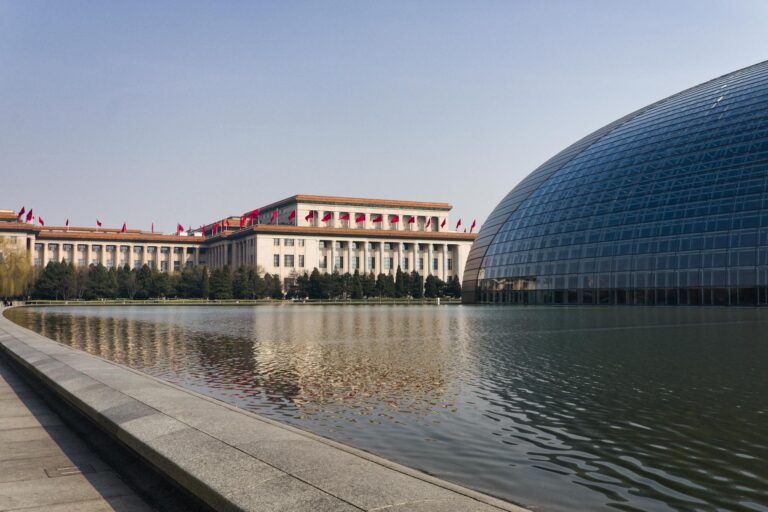
Putin's May 2026 visit to Beijing revealed the depth of China-Russia strategic alignment, exposing Washington's failed strategy of driving a wedge between Beijing and Moscow. The substantive Putin-Xi summit contrasted sharply with the hollow Trump-Xi meeting days earlier, demonstrating that personal diplomacy cannot overcome structural geopolitical convergence.

India's 2025 GDP methodology revision, shifting the base year to 2022-23, reveals systematic economic overestimation with implications for regional policy and investment. Downward adjustments of 2.9-3.8 percent and the IMF's C-grade assessment signal credibility concerns for India's economic statistics and regional economic competition.
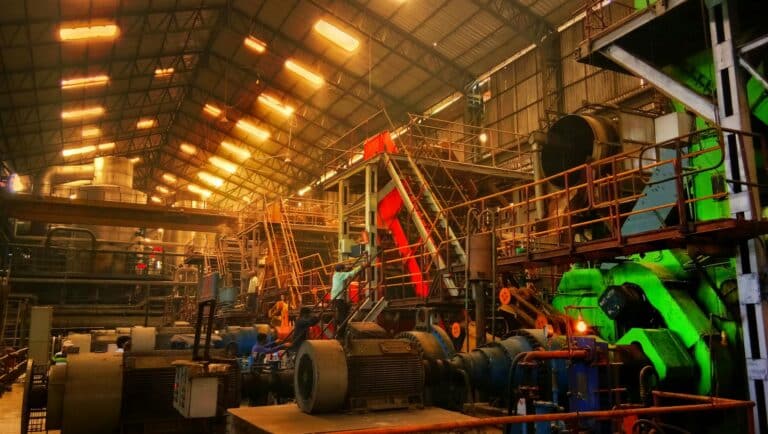
India's partnership with ASML marks entry into advanced chipmaking, but reliance on Chinese critical minerals threatens true technological sovereignty. The Dholera facility addresses lithography bottlenecks while leaving upstream mineral dependencies unresolved.
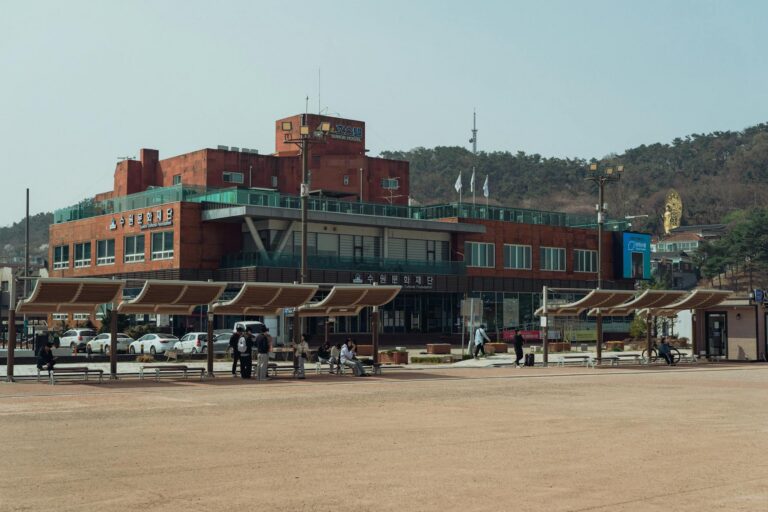
The Korea-U.S. alliance faces a critical decision point: operationalizing wartime command transfer by 2029. Success requires resolving three core technical challenges—integrated command architecture, C4I systems integration, and capability standards—rather than retreating to false choices between minimalist and maximalist positions.

Survey evidence reveals that transnational repression by Hong Kong authorities affects tens of thousands of British-based Hong Kongers beyond high-profile activists, with 66% reporting feeling at risk and 32% experiencing direct repression. The infiltration of diaspora groups and surveillance operations have caused 42% to avoid public civic participation, fundamentally altering how the 200,000-strong community engages with UK society.
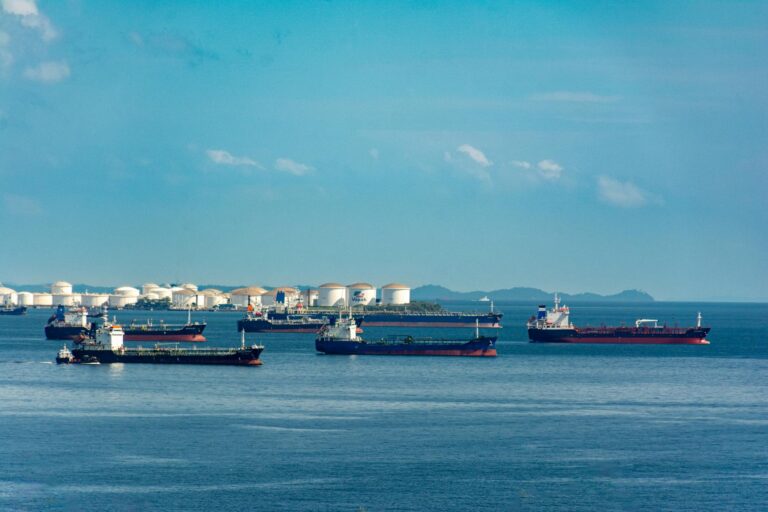
Australian PM Anthony Albanese's April 2024 energy diplomacy tour across Southeast Asia sought oil and fuel guarantees but misunderstood regional energy structures, leading to public corrections from Malaysia and failed negotiations. Australia must shift from diplomatic requests to capital investment in regional infrastructure.
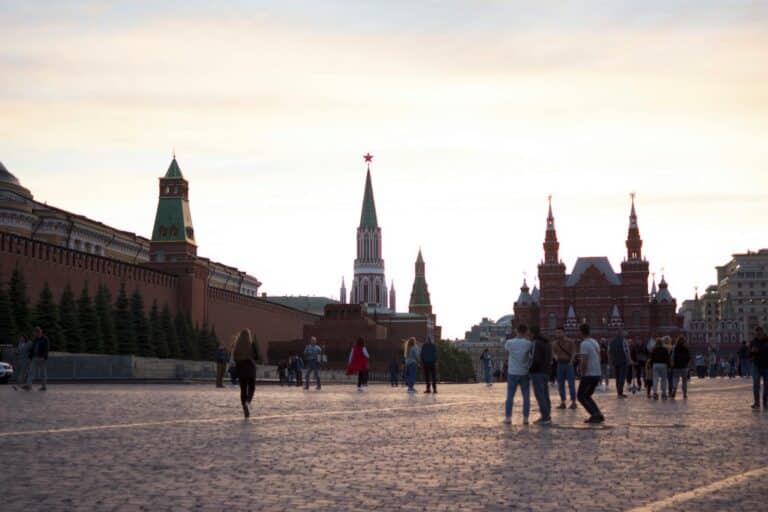
The scheduling of Trump's May summit with Xi Jinping immediately before Xi's meeting with Putin reveals the limits of U.S. triangular diplomacy. Beijing has moved from hedging between Washington and Moscow to active partnership with Russia, making appeals for Chinese pressure on Moscow ineffective.
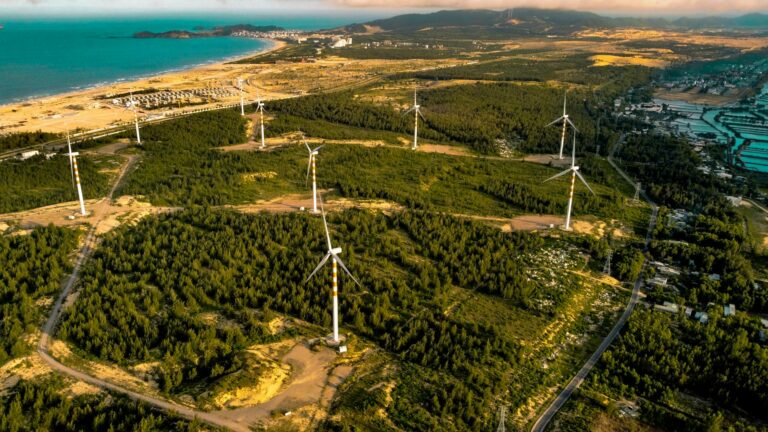
Southeast Asia's response to global fuel price surges has exposed a fundamental paradox: while governments temporarily increase fossil fuel capacity, private investment and consumer demand continue shifting toward renewables. The region's energy transition will likely proceed unevenly across ASEAN, constrained not by capital or technology but by grid infrastructure and regulatory capacity.



