Physical Address
304 North Cardinal St.
Dorchester Center, MA 02124
Physical Address
304 North Cardinal St.
Dorchester Center, MA 02124

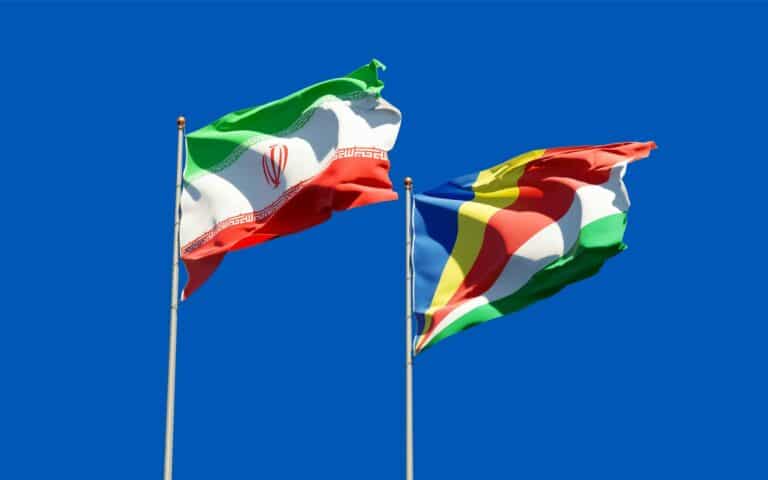
The Iran crisis exposes fundamental contradictions within BRICS' multipolar model. Divergent strategic interests among Russia, China, India, and South Africa reveal that the bloc lacks the institutional mechanisms to coordinate effective responses to major regional conflicts, raising questions about its viability as an alternative to Western-led security architecture.

Jimmy Lai's 20-year sedition sentence marks the final institutional collapse of Hong Kong's independence. The conviction signals to international business and media that the territory is no longer a reliable hub for independent activity, with strategic consequences across the Indo-Pacific.
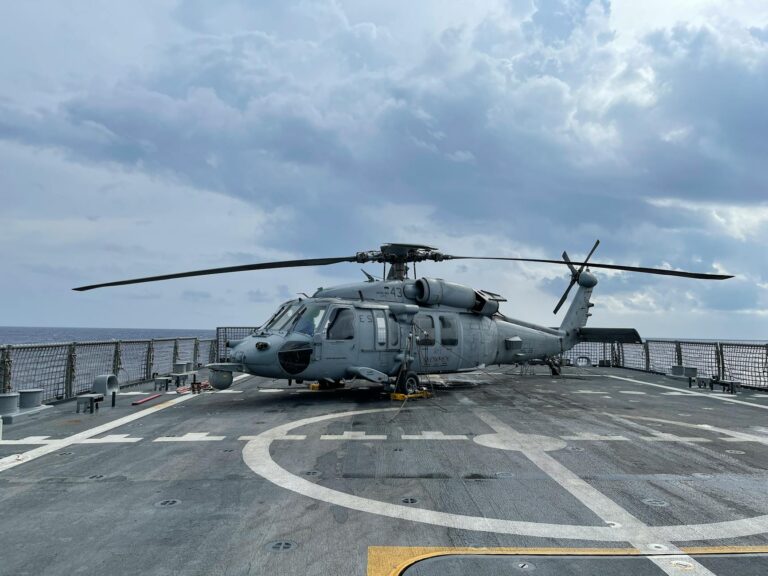
The U.S. and Israeli military strikes on Iran revealed the limits of China's economic-focused Middle East strategy. This experience carries critical implications for Beijing's ability to translate economic dominance into strategic outcomes across the Indo-Pacific.

Umar Khalid's 2,000-day pretrial detention without trial exemplifies systematic erosion of judicial independence and due process in India. The case reveals how security legislation targeting dissent undermines democratic institutions and regional stability.
Canada and India have concluded a $1.9 billion uranium supply agreement, signalling a deliberate recalibration of bilateral relations after recent diplomatic tensions. The long-term contract addresses India's civilian nuclear energy expansion while demonstrating pragmatic cooperation on energy security.
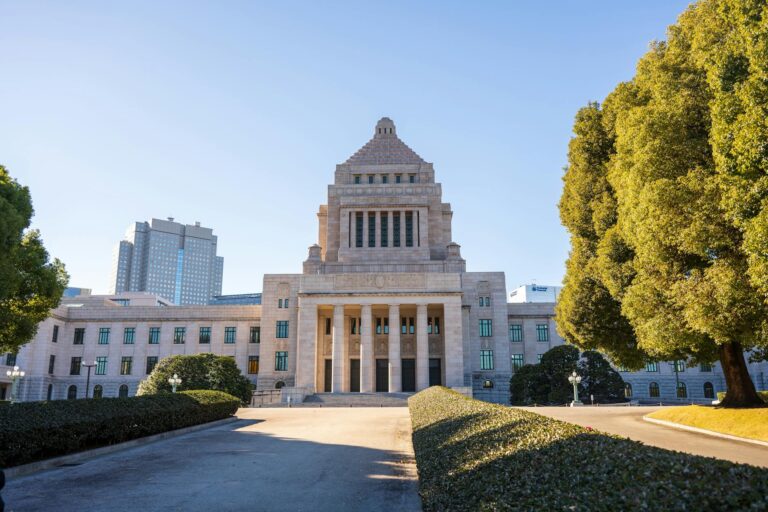
Team Mirai's capture of 11 lower house seats in 2025 signals a significant political realignment in Japan, fragmenting the LDP-led ruling coalition and introducing new variables into Tokyo's Indo-Pacific strategy during a period of heightened regional tensions.
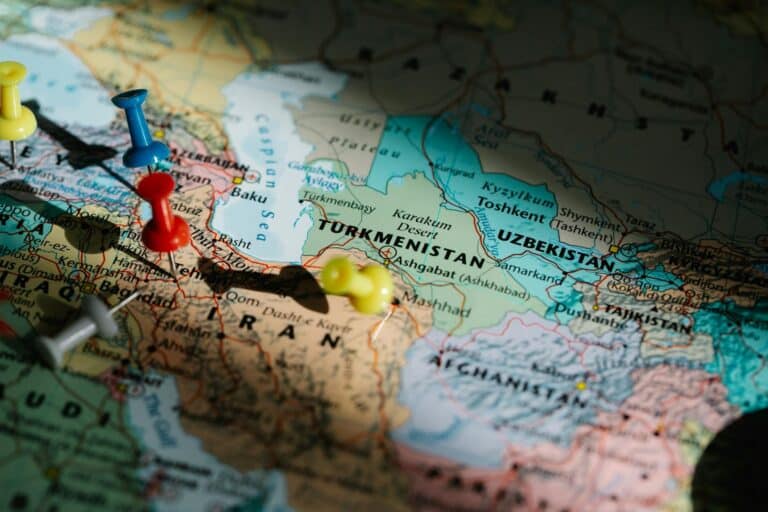
Central Asian states face mounting pressure from Middle East escalation, threatening energy security, fueling extremism risks, and complicating great power balancing acts. Kazakhstan, Uzbekistan, and neighboring capitals must strengthen institutional capacity and economic resilience to weather potential spillover effects.
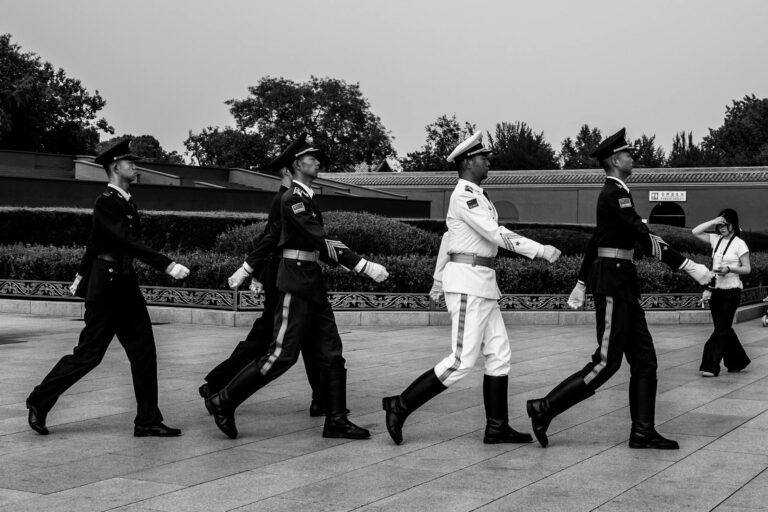
The removal of Zhang Youxia from China's Central Military Commission signals Xi Jinping's tightening control over the military establishment, with direct implications for Taiwan's security and Indo-Pacific stability.
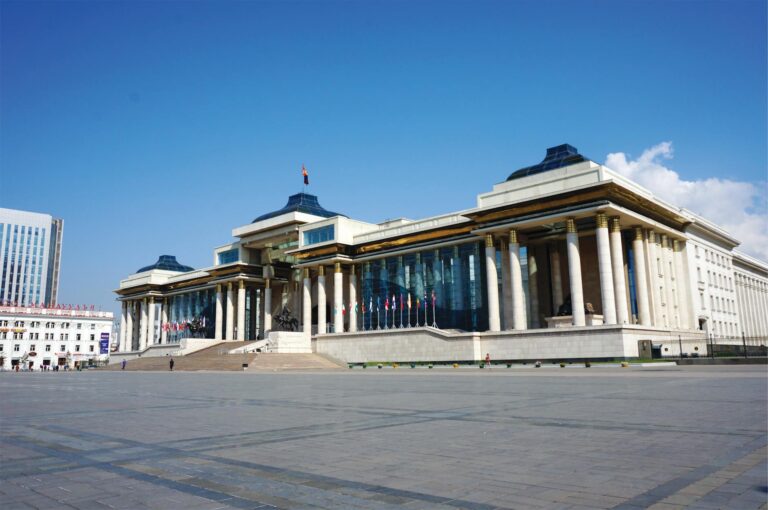
The United States is intensifying engagement with Mongolia beyond traditional "Third Neighbor" frameworks, recognizing Ulaanbaatar's strategic significance amid great power competition. Ambassador Richard L. Buangan's diplomatic efforts reflect American interests in Mongolia's democratic governance, rare earth minerals, and geopolitical position—though deepening ties faces constraints from Mongolia's structural dependence on China and Russia.
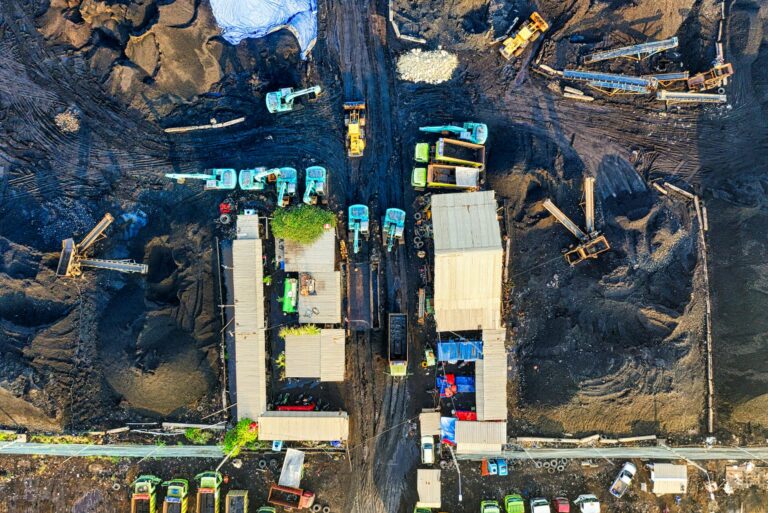
Indonesia confronts an intractable energy policy contradiction: its coal-dependent system is unsustainable, but the transition to LNG and renewables exceeds what its fiscal budget can afford. Without substantial increases in international climate finance, Indonesia cannot simultaneously maintain energy affordability for 97 million poor citizens, retire coal infrastructure, and meet Paris Agreement targets.



