Physical Address
304 North Cardinal St.
Dorchester Center, MA 02124
Physical Address
304 North Cardinal St.
Dorchester Center, MA 02124


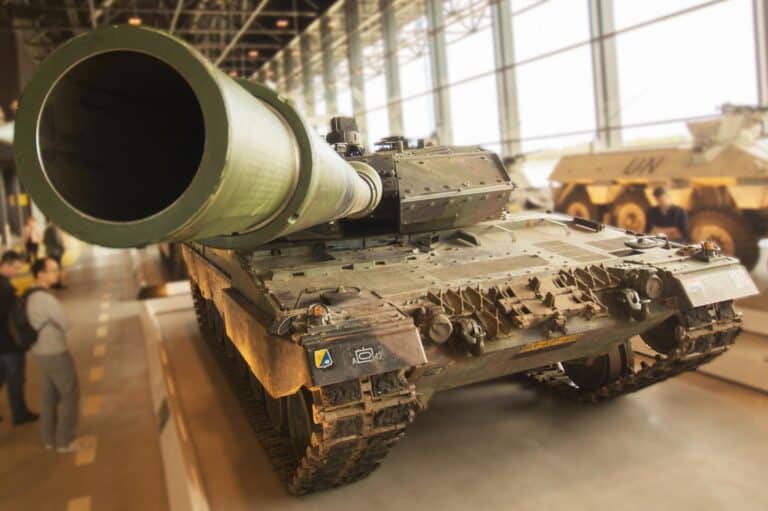
South Korea's rapidly expanding defence export sector has created a strategic vulnerability: weapons sold to legitimate state actors in the Middle East are being captured or transferred to Iranian-backed proxy forces in Yemen. This reveals critical gaps in Seoul's export control framework and threatens its standing as a responsible arms exporter.

U.S. export controls on advanced semiconductors are constraining South Korea's technology sector while inadvertently accelerating China's domestic chip development. Seoul faces a strategic dilemma between alliance obligations and economic interests in a rapidly fragmenting global technology supply chain.
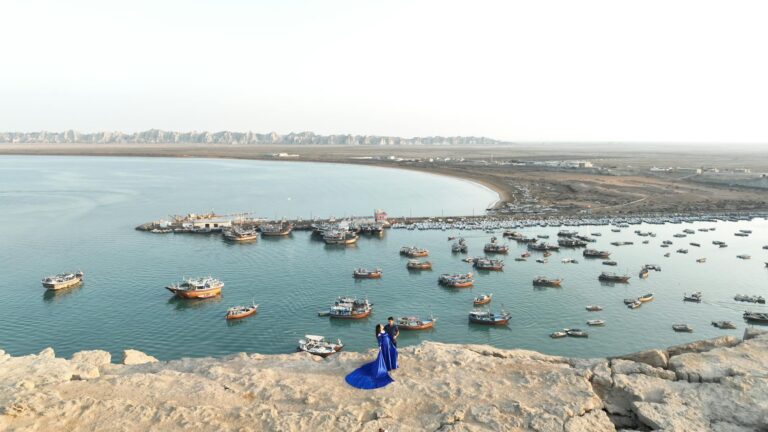
Central Asia's growing dependence on Iranian transit routes for maritime trade creates acute geopolitical vulnerability. Regional conflict or sanctions escalation could force landlocked states back onto costlier alternatives, reversing a decade of economic diversification.
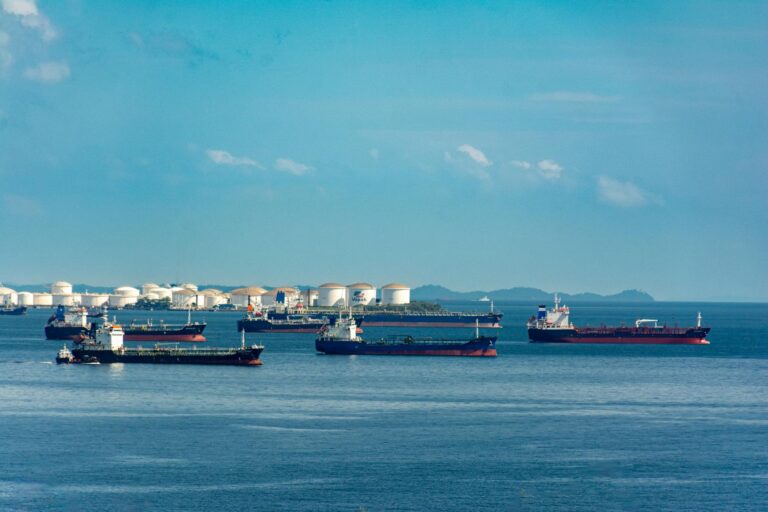
India imports 85% of its crude oil, leaving it acutely vulnerable to West Asian instability. With limited domestic reserves, concentrated Gulf supply sources, and inadequate strategic petroleum reserves, India faces mounting energy security challenges requiring urgent diversification and domestic production strategies.
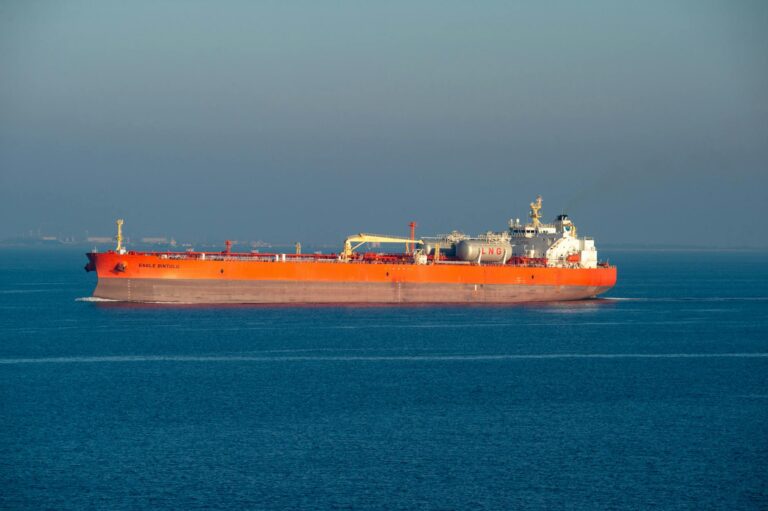
Middle East escalation between Iran and Israel directly threatens Indo-Pacific energy security, strains alliance cohesion, and reshapes military positioning. Australia, Japan, and India face immediate vulnerabilities in energy supplies, defence budgets, and strategic partnerships.
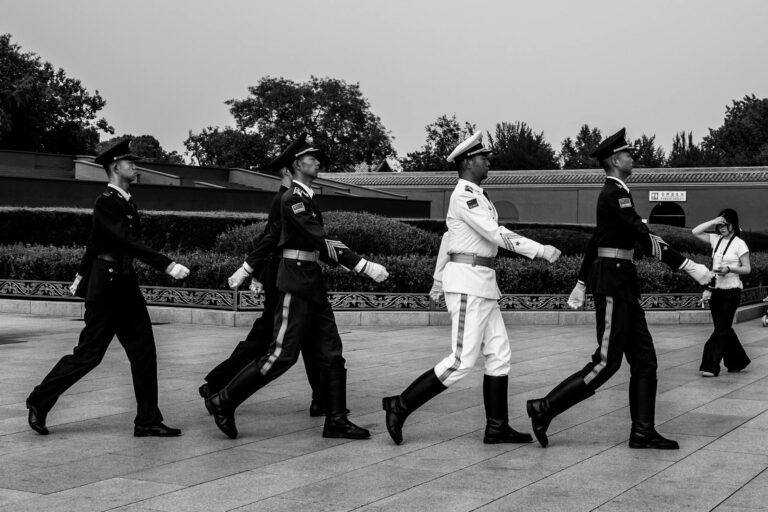
The removal of Zhang Youxia from China's Central Military Commission signals Xi Jinping's tightening control over the military establishment, with direct implications for Taiwan's security and Indo-Pacific stability.
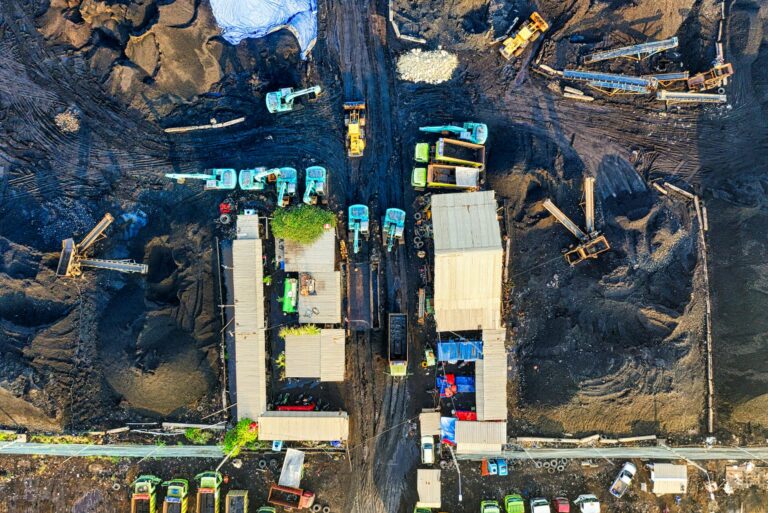
Indonesia confronts an intractable energy policy contradiction: its coal-dependent system is unsustainable, but the transition to LNG and renewables exceeds what its fiscal budget can afford. Without substantial increases in international climate finance, Indonesia cannot simultaneously maintain energy affordability for 97 million poor citizens, retire coal infrastructure, and meet Paris Agreement targets.
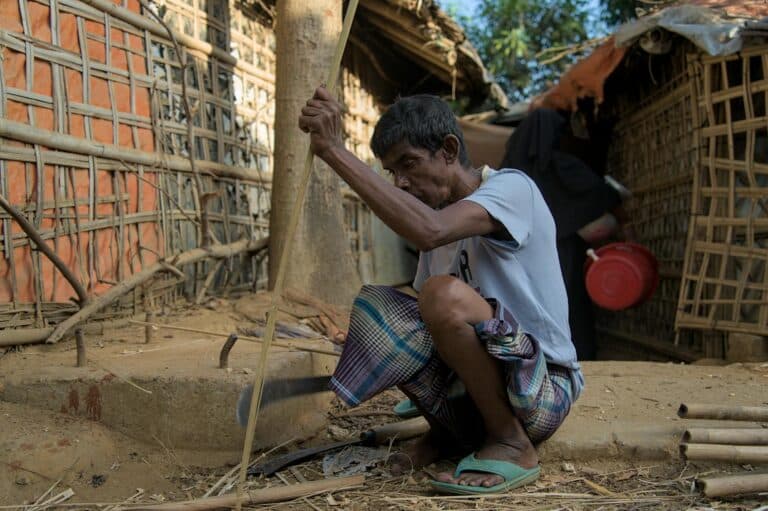
Myanmar's Rakhine conflict is generating significant economic spillover into Bangladesh through trade disruption, smuggling expansion, and illicit financial flows. The conflict threatens Bangladesh's energy security and garment export competitiveness while strengthening black market networks.
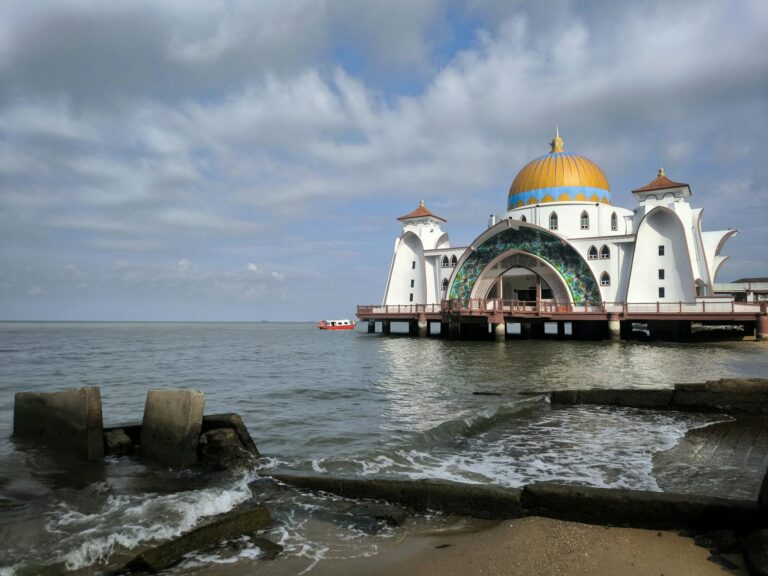
The failed nomination of conservative media figure Nick Adams as US Ambassador to Malaysia reveals the limits of domestic political appointments in Indo-Pacific diplomacy. His pro-Israel positions and controversial public persona proved incompatible with Malaysian values and regional consensus.

Laos faces a deepening governance crisis as enforced disappearances of political activists intensify around national elections, revealing systematic state repression that undermines democratic legitimacy and regional stability within Southeast Asia.



