Physical Address
304 North Cardinal St.
Dorchester Center, MA 02124
Physical Address
304 North Cardinal St.
Dorchester Center, MA 02124

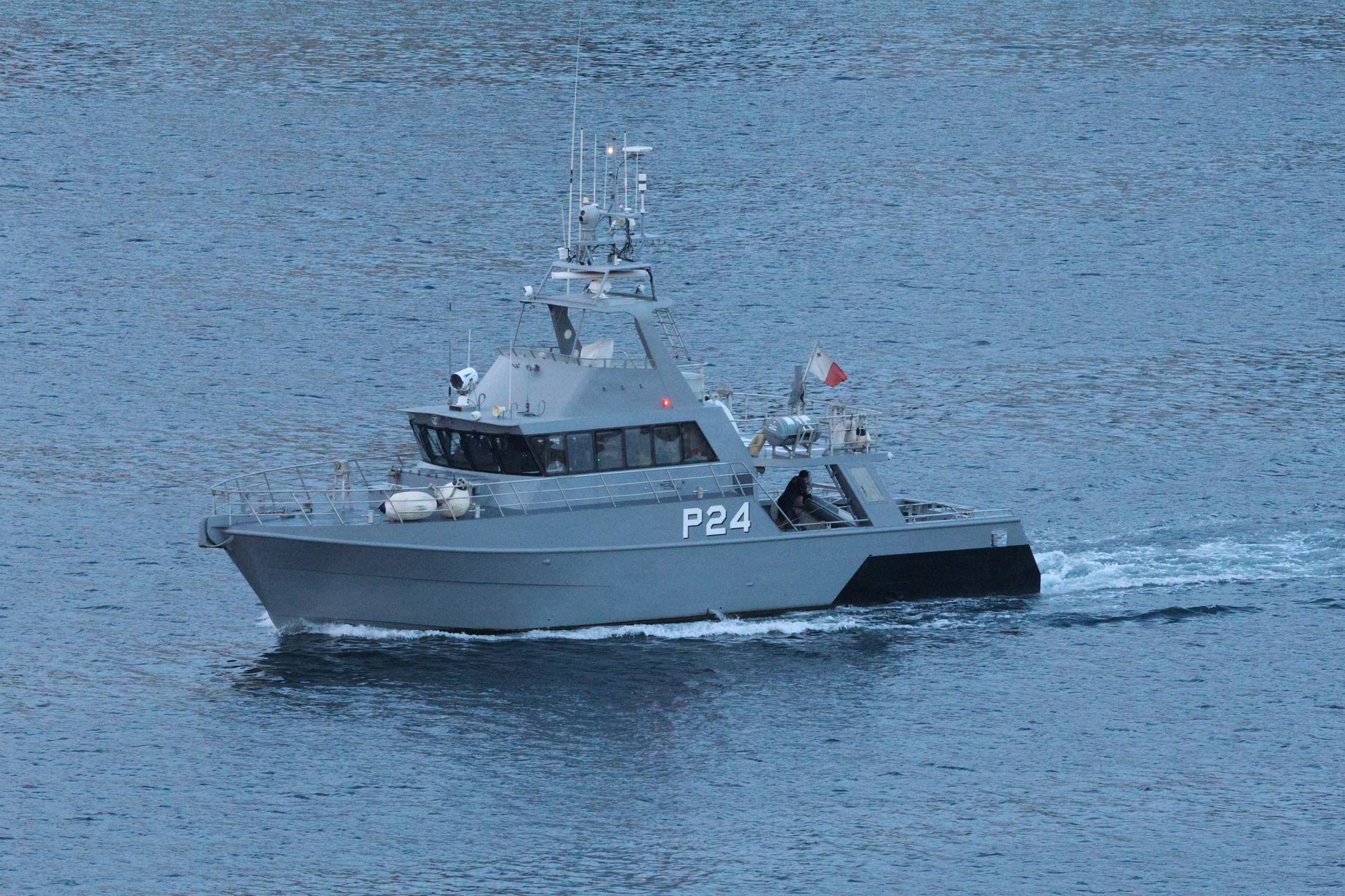
China has sanctioned Philippine Defense Secretary Gilberto Teodoro Jr., prompting Manila to condemn the measure as an unfriendly act. The escalation reflects deepening tensions over South China Sea sovereignty and the Philippines' strengthened security alignment with the United States.
China has imposed sanctions against Philippine Defense Secretary Gilberto Teodoro Jr., marking an escalation in bilateral tensions between Manila and Beijing. The Philippine Department of Foreign Affairs formally characterized the sanctions as “an unfriendly act” that “further complicates” diplomatic relations. This move represents Beijing’s latest attempt to apply pressure on Philippine officials over contested maritime claims and security cooperation arrangements in the Indo-Pacific region.
The sanctions targeting Teodoro must be understood within the broader context of competing claims in the South China Sea. The Philippines, holder of the 2016 Permanent Court of Arbitration ruling against China’s expansive nine-dash line claim, has increasingly asserted its sovereign rights over the Second Thomas Shoal (Ayungin Shoal) and other maritime features within its exclusive economic zone (EEZ). Defense Secretary Teodoro, appointed to his position in June 2022, has been a vocal advocate for Philippine sovereignty and has overseen military operations to resupply and reinforce garrisons on disputed features.
China’s use of economic and diplomatic sanctions represents a departure from Beijing’s traditional reliance on coast guard operations and naval posturing. By targeting a sitting defense minister, China signals its intent to penalize senior officials who directly challenge its maritime claims, establishing a precedent that extends beyond military personnel to civilian leadership.
Gilberto Teodoro Jr.’s tenure as Defense Secretary has been characterized by efforts to strengthen the Armed Forces of the Philippines (AFP) and deepen security partnerships with the United States. Under his leadership, the Philippines has expanded joint military exercises with the U.S., including Enhanced Defense Cooperation Agreement (EDCA) activities that have increased American military presence at four designated Philippine bases. These arrangements directly counter Beijing’s strategic interests in the region.
Teodoro has also advocated for increased defense spending and modernization of the AFP’s aging fleet, particularly naval and air assets critical for maritime domain awareness and enforcement operations in the South China Sea. His public statements emphasizing Philippine resolve to defend national interests without capitulation have made him a particular target for Chinese pressure campaigns.
The imposition of sanctions against Teodoro follows a recognizable pattern in Chinese pressure tactics. Rather than direct military confrontation, which risks international condemnation and potential U.S. intervention, Beijing employs multi-domain coercion including financial restrictions, visa bans, and asset freezes against named officials. These measures serve multiple objectives: they signal domestic audiences that China is responding firmly to perceived slights, they create personal incentives for targeted officials to moderate their positions, and they test the resolve of allied nations to support their own leadership.
However, this approach carries significant risks for Beijing. Public sanctions against defense ministers can harden nationalist sentiment in target countries and demonstrate to regional partners that Chinese pressure is indiscriminate and unreasonable. The Philippines has a history of nationalist responses to external coercion, and such measures may prove counterproductive to Beijing’s broader objective of isolating the Philippines from U.S. support.
The Department of Foreign Affairs’ characterization of these sanctions as “complicating” bilateral relations understates the severity of the diplomatic breach. The Philippines under President Ferdinand “Bongbong” Marcos Jr. has pursued a pragmatic balancing act—maintaining economic ties with China while strengthening security partnerships with the United States. However, repeated Chinese pressure tactics targeting senior officials may exhaust Manila’s patience with this middle path.
The timing and scope of these sanctions suggest that Beijing perceives the Philippines as increasingly aligned with the U.S.-led security architecture in the Indo-Pacific. The Marcos administration’s approval of expanded EDCA arrangements, increased joint military exercises, and public reaffirmations of the Mutual Defense Treaty with Washington have clearly registered as hostile moves in Beijing’s strategic calculus. Chinese sanctions against Teodoro represent an attempt to reverse this trajectory through coercive diplomacy.
The sanctions against Defense Secretary Teodoro exemplify the structural contradictions in Philippine-Chinese relations. China cannot credibly offer the Philippines sufficient economic benefits to offset the security guarantees provided by the United States alliance, yet it continues to employ coercive measures that push Manila further toward Washington. Conversely, the Philippines cannot indefinitely balance between the two powers—sustained Chinese pressure and military assertiveness in the South China Sea force Manila to choose sides.
The Philippines’ formal rejection of these sanctions and commitment to defending national interests indicates that the Marcos administration will not be intimidated into abandoning its security partnerships or moderating its maritime claims. Defense Secretary Teodoro’s continued tenure and public statements supporting Philippine sovereignty will likely invite further Chinese pressure, creating a cycle of escalation that benefits neither party.
For the broader Indo-Pacific region, these developments reinforce the trend toward hardening great power competition. The Philippines’ strategic importance as a U.S. ally controlling key sea lanes and hosting American military infrastructure makes it a focal point of Sino-American rivalry. As China escalates pressure tactics against Philippine leadership, the likelihood of miscalculation or unintended military confrontation in the South China Sea increases correspondingly. Regional powers and the international community should treat Philippine-Chinese tensions as a potential flashpoint with implications extending far beyond bilateral relations.




