Physical Address
304 North Cardinal St.
Dorchester Center, MA 02124
Physical Address
304 North Cardinal St.
Dorchester Center, MA 02124

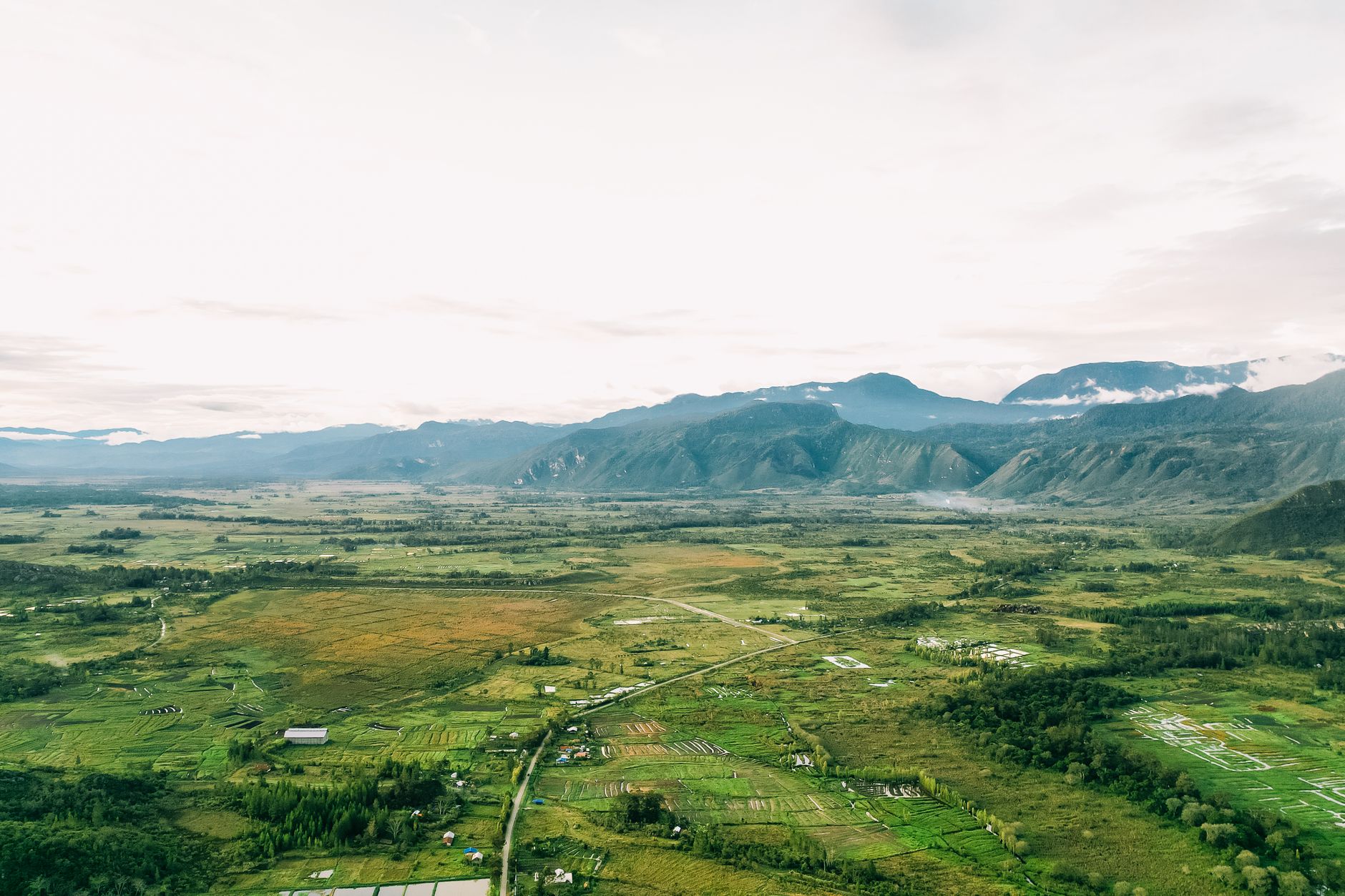
The TPNPB's killing of American pilot Nicholas Gosselin marks a critical escalation in Papua's separatist conflict, signaling the insurgency's shift toward targeting civilian aviation and foreign nationals as leverage against Indonesian state consolidation.
The killing of American pilot Nicholas F. Gosselin by the West Papua National Liberation Army (TPNPB) in Yahukimo Regency represents a significant escalation in Papua’s decades-long separatist conflict and signals deepening risks to civilian aviation and foreign nationals operating in Indonesia’s eastern regions. The incident underscores how localized insurgencies in the Indo-Pacific can rapidly internationalize, drawing in foreign governments and threatening critical supply chains to remote populations. For policymakers in Canberra, Wellington, and Washington, the attack demonstrates that Papua’s conflict has moved beyond sporadic violence to coordinated, strategic targeting of infrastructure and personnel perceived as supporting Indonesian state consolidation.
On the day of the incident, Sebby Sambom, spokesperson for the TPNPB—the armed wing of the Free Papua Organization—announced that separatist troops had deliberately shot down Gosselin’s aircraft as it landed at an airstrip in Highland Papua province. The TPNPB subsequently burned the aircraft, claiming it was transporting Indonesian military personnel. Sambom framed the killing as a deliberate message to both Jakarta and Washington, stating: “We are prepared to fire upon any civilian aircraft across the Land of Papua that assists Indonesian military forces in transporting troops or military logistics.”
This language reveals a critical tactical shift. The TPNPB is no longer simply defending territory or attacking isolated military targets; it is publicly declaring a doctrine of targeting civilian aviation infrastructure. By naming the United States explicitly and framing the attack as a response to perceived American-Indonesian cooperation, the group has introduced a transnational dimension to what was previously a bilateral Indonesian security challenge. The aircraft, operated by PT AMA, was a commercial service providing humanitarian logistics—food, fuel, and mail—to isolated highland communities, yet the TPNPB classified it as a military asset because it potentially supported state consolidation efforts.
Papua’s separatist insurgency has roots extending to 1969, when Indonesia absorbed the territory following a United Nations-supervised referendum that independence activists argue was fundamentally flawed. For decades, the conflict remained largely contained to localized skirmishes and political agitation. However, the past decade has witnessed a dramatic intensification, particularly since 2018 when the Indonesian state accelerated infrastructure development into the highland interior.
The United Nations reported in 2022 that over 100,000 people had been displaced by escalating violence—a figure that reflects the conflict’s expanding geographic scope and lethality. The TPNPB has demonstrated increasing sophistication in targeting infrastructure. In February 2023, the group attacked and destroyed an aircraft at Nduga airport in Highland Papua, subsequently kidnapping New Zealand pilot Philip Mehrtens and threatening his execution unless independence demands were met. Mehrtens was released in September 2024 following negotiations between the TPNPB and Indonesian authorities.
One month before Mehrtens’ release, TPNPB soldiers killed New Zealand helicopter pilot Glen Malcolm Conning shortly after he landed in Central Papua province. The pattern is unmistakable: the insurgency is systematically targeting aviation assets and foreign nationals as leverage against Indonesian state authority and as a mechanism to raise international attention to Papuan independence claims.
Indonesia’s response to insurgent activity has been to increase military presence and infrastructure development—a strategy that has paradoxically accelerated conflict rather than suppressed it. The eastern portions of Papua have become increasingly militarized since 2018, with Indonesian Armed Forces (TNI) operations expanding into previously remote areas. This militarization, combined with infrastructure projects that the TPNPB views as tools of cultural and political assimilation, has created a security dilemma: each round of Indonesian military activity generates insurgent retaliation, which in turn justifies further military deployment.
The TPNPB’s strategic framing of civilian aircraft as military assets reflects this deeper dynamic. From the insurgency’s perspective, any infrastructure or service that facilitates Indonesian state presence—including humanitarian logistics—constitutes a legitimate military target. This interpretation places civilian operators in an impossible position: they cannot distinguish themselves from military support activities in the eyes of the TPNPB.
The death of an American citizen raises the conflict’s profile in Washington and complicates the U.S.-Indonesia defense relationship. The United States has been incrementally deepening security cooperation with Indonesia, including defense technology transfers and military training programs. The TPNPB’s explicit targeting of American personnel signals that separatist groups are now calculating that strikes against foreign nationals will generate international pressure on Jakarta to negotiate—a tactic that mirrors insurgent strategies in other regions of the Indo-Pacific.
For Australia and New Zealand, the pattern of targeting their nationals (Mehrtens and Conning) indicates that the TPNPB views Anglophone nations as potential pressure points. Both countries have diplomatic relationships with Indonesia that could theoretically be leveraged to advance Papuan independence claims. The TPNPB appears to be attempting to internationalize the conflict by creating costs for regional partners that support Indonesian operations.
Indonesia’s Directorate General of Civil Aviation confirmed that no security warnings had been issued prior to Gosselin’s landing, suggesting that intelligence regarding TPNPB threats to civilian aviation may be inadequate or that the aviation sector is not adequately integrated into Papua security assessments. This gap represents a vulnerability in regional aviation safety protocols across the Indo-Pacific.
The killing of Nicholas Gosselin and the pattern of attacks on foreign nationals indicate that Papua’s separatist conflict has entered a new phase. The TPNPB has moved from sporadic insurgent activity to calculated strikes designed to impose costs on Indonesian state consolidation and to generate international diplomatic pressure. The explicit targeting of civilian aviation and the public declaration of intent to shoot down aircraft serving military logistics represent a qualitative escalation.
For Indonesian policymakers, the current military-focused approach has demonstrably failed to suppress the insurgency; it has instead generated grievances that fuel recruitment and legitimize the TPNPB’s claims that Jakarta is engaged in colonial domination. The displacement of over 100,000 people and the increasing militarization of the eastern region suggest that a security-only strategy is unsustainable.
For Australia, New Zealand, and the United States, the implications are clear: Papua is no longer a peripheral security concern but an emerging flashpoint that could disrupt regional stability, threaten foreign nationals, and complicate Indo-Pacific security partnerships. The targeting of civilian infrastructure and foreign pilots indicates that the TPNPB has adopted asymmetric tactics designed to raise the costs of Indonesian state presence and to generate international attention. Regional governments must reassess aviation safety protocols, threat intelligence sharing mechanisms, and diplomatic strategies toward Papua’s underlying political grievances. Without substantive engagement with root causes of the conflict—as the TPNPB has explicitly demanded—the cycle of escalation and retaliation will continue.